


Is your dog’s dinner bowl truly nourishing their body and mind in 2026? As more Canadian pet owners join the health revolution, choosing the right natural food for dog companions has never been more important. This essential guide demystifies what natural food for dog really means, empowering us to make choices that boost our furry friends’ wellbeing. Together, we’ll explore the real meaning, benefits, and key nutrients behind natural diets, plus simple steps to transition, compare homemade and commercial options, and discover the future of canine nutrition. Let’s embark on this journey to a happier, healthier dog—guided by expert advice and the latest science.
What is Natural Food for Dogs?
Have you ever wondered what truly goes into your dog's dinner bowl? The world of natural food for dog can feel confusing, especially with so many labels and claims. Let's break it down together, so you can feel confident about what your pup is really eating.

Defining Natural Dog Food
When we talk about natural food for dog, it's easy to get lost in the jargon. What does "natural" really mean, and how is it different from "organic" or "holistic"?
Here's a quick table to clarify:
| Term | Meaning | Regulated in Canada? |
|---|---|---|
| Natural | Made from ingredients found in nature, without artificial additives. | Yes (CFIA guidelines) |
| Organic | Grown/raised without synthetic pesticides or antibiotics, certified. | Yes |
| Holistic | Focuses on overall well-being, not just ingredients. | No formal definition |
In Canada, the Canadian Food Inspection Agency (CFIA) sets strict rules for what can be called "natural" pet food. According to the CFIA's Feeds Regulations, 2024, natural food for dog must not contain artificial preservatives, colours, or flavours. This means you can trust that what's on the label matches what's in the bag.
Natural food for dog typically includes:
- Fresh muscle meat (beef, chicken, fish, turkey)
- Organ meats (liver, heart)
- Vegetables like carrots, sweet potatoes, and spinach
- Fruits such as apples and blueberries
- Whole grains like brown rice, oats, and barley
What gets left out? No artificial preservatives, synthetic colourings, flavour enhancers, or cheap fillers like corn gluten. Instead, every ingredient is chosen for its natural nutritional value.
It's also important to understand the difference between raw, cooked, and minimally processed diets. Raw diets offer uncooked meats and veggies, while cooked diets gently steam or bake ingredients. Minimally processed foods aim to retain as much nutrition as possible, avoiding heavy processing or extrusion.
The Science Behind Natural Diets
Why do so many Canadian pet owners choose natural food for dog? The answer lies in both tradition and science. Researchers have studied what dogs' ancestors ate, revealing diets rich in whole meats, organs, and seasonal plants.
Modern studies show that a natural food for dog approach can lead to real health benefits. For example, dogs on whole-food diets often have fewer allergies, better digestion, and shinier coats. One Canadian study found that many dogs experienced less itching and improved stool quality after switching to natural diets.
Veterinary nutritionists across Canada agree that high-quality, unprocessed ingredients support a dog's immune system and gut health. They point to evidence that antioxidants from berries and leafy greens, along with natural fibres, make a difference in long-term wellness.
Natural food for dog is not just a trend, but a return to what our companions are designed to eat. By focusing on simple, recognisable ingredients, you can help your dog thrive inside and out.
Key Health Benefits of Natural Dog Food
Isn't it amazing how what we feed our dogs can shape their entire wellbeing? Choosing natural food for dog companions is more than a trend, it's a health revolution. When we embrace this approach, we unlock a cascade of benefits that go far beyond the dinner bowl. According to the Hill's Pet Guide on Natural Dog Food, a natural diet can be transformative for your dog's digestive health, immunity, and longevity.
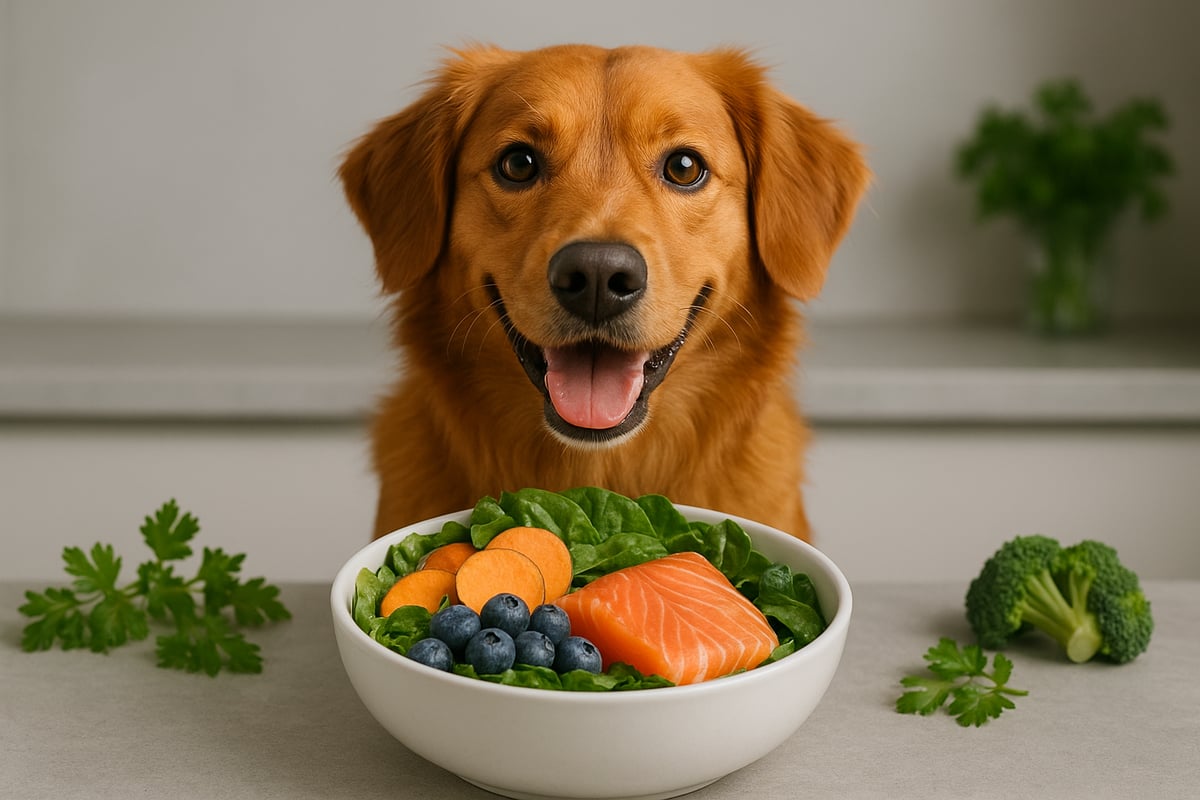
Improved Digestion and Gut Health
Switching to natural food for dog nutrition can dramatically improve digestion and gut health. Natural diets are rich in fibre, prebiotics, and enzymes from whole ingredients like pumpkin, carrots, and oats. These elements help regulate bowel movements and create a healthy environment for beneficial gut bacteria.
A recent Canadian survey found that 40% of dog owners noticed better stool quality after making the switch. This often means less odour, firmer stools, and fewer tummy troubles. If your dog has struggled with irregular digestion, a natural diet could be the gentle reset their system needs.
Enhanced Skin and Coat Condition
Natural food for dog wellness includes ingredients like wild caught salmon, flaxseed, and eggs, all packed with Omega 3 fatty acids, biotin, and zinc. These nutrients are key to soothing dry, itchy skin and encouraging a glossy, healthy coat.
Pet parents often report that chronic scratching and dull fur become things of the past. Whether your dog has seasonal allergies or just lacks that shine, a natural diet can make their coat soft, smooth, and beautiful. Who doesn't love extra cuddles with a silky pooch?
Stronger Immune System
The antioxidants found in berries, leafy greens, and herbs within natural food for dog recipes help strengthen the immune system. These powerful compounds fight off harmful free radicals, reducing inflammation and supporting overall resilience.
Dogs on natural diets tend to experience fewer infections and recover more quickly when they do fall ill. The inclusion of foods like blueberries and spinach gives their bodies the nutritional edge needed to stay strong. A robust immune system means more playtime and fewer vet visits.
Weight Management and Energy Levels
Balanced macronutrients are a hallmark of natural food for dog health. Lean proteins, healthy fats, and complex carbohydrates give dogs sustained energy without unnecessary fillers. This balance makes it easier to maintain an ideal weight and avoid obesity.
Research in Canada shows that dogs fed natural diets have a 25% lower rate of obesity compared to those on conventional foods. You may notice your dog is more playful, alert, and ready for outdoor adventures. A healthy weight also means less strain on joints and a happier, more active life.
Reduced Allergies and Sensitivities
Many commercial dog foods contain artificial additives that can trigger allergies or sensitivities. By focusing on natural food for dog diets, we reduce exposure to these common culprits.
Limited ingredient recipes and the absence of artificial colours, preservatives, and flavours give sensitive dogs a chance to thrive. Case studies show that dogs with chronic itching or digestive upsets often find relief when switched to a natural, minimally processed diet. It's a gentle approach to food that respects your dog's unique needs.
Longevity and Disease Prevention
The long term effects of natural food for dog health are truly inspiring. Studies link whole food diets with lower rates of cancer, heart disease, and other chronic conditions. By providing your dog with the nutrients they need, you're investing in a longer, happier life.
Canadian veterinary nutritionists have observed that dogs on natural diets often enjoy more vibrant senior years, with less dependency on medication. It's a powerful reminder that every meal can be an act of love and care for your best friend.
Essential Nutrients in a Natural Dog Diet
Feeding our companions a balanced natural food for dog means more than just filling their bowls. It is about supporting every aspect of their health, from shiny coats to wagging tails. Let us explore the key nutrients that make a real difference for our dogs.
Protein Sources
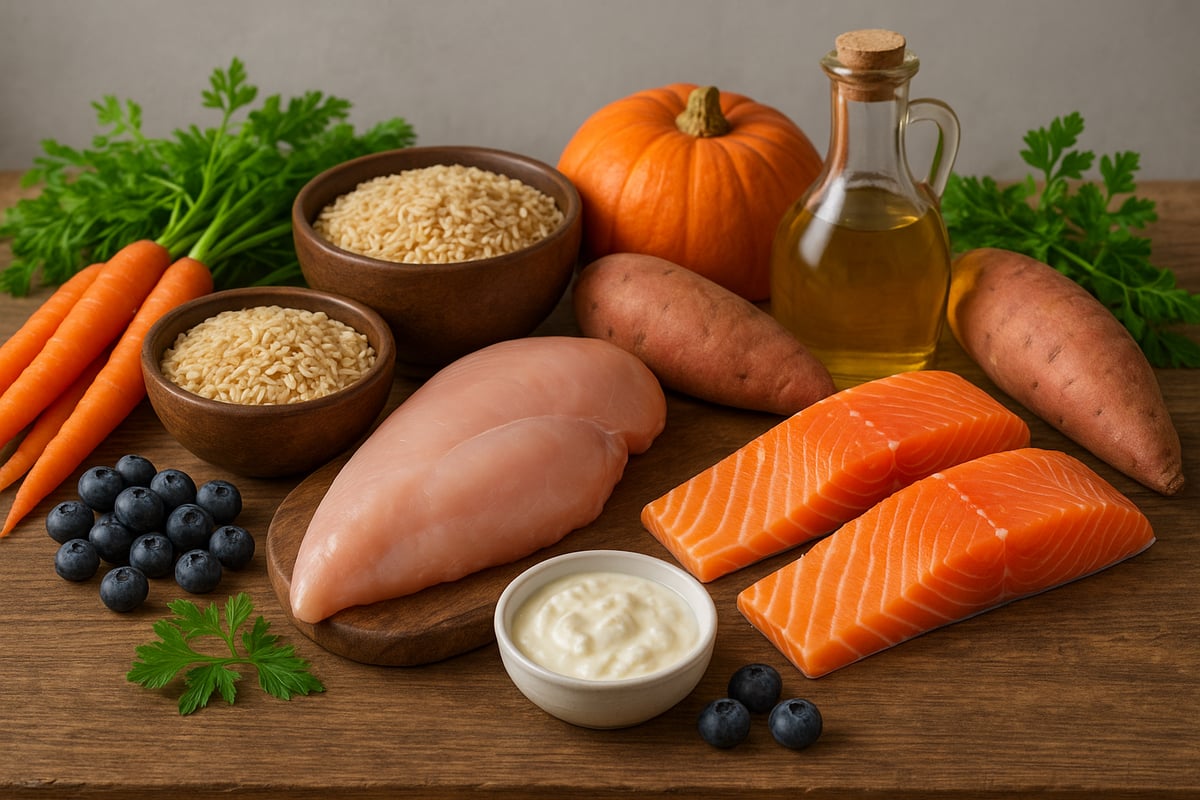
Protein is the cornerstone of a natural food for dog, powering everything from muscle growth to immune function. Dogs thrive on high-quality animal proteins, which provide all the essential amino acids they need.
Some of the best options include:
- Free range chicken from Ontario
- Wild caught salmon from British Columbia
- Grass fed beef from Alberta
- Turkey raised on Canadian farms
These proteins are easily digestible and packed with nutrients. Choosing Canadian sourced meats ensures freshness and supports local producers. By prioritising variety, we help our dogs enjoy every meal and stay healthy.
Healthy Fats
Fats are not just a source of energy, they are vital for skin, coat, and cognitive health. A natural food for dog should feature the right balance of Omega 3 and Omega 6 fatty acids.
Top healthy fat sources include:
- Flaxseed oil for plant based Omega 3s
- Fish oil from Canadian fisheries for EPA and DHA
- Hemp hearts for a gentle, nutty boost
These fats help reduce inflammation, keep coats glossy, and support heart health. Adding them to your dog's meals can make a visible difference in their vitality and mood.
Carbohydrates and Fibre
Carbohydrates are a steady energy source, while fibre keeps digestion running smoothly. In a natural food for dog, focus on gentle grains and vibrant veggies.
Digestible grains and fibre rich foods:
- Oats and barley grown in Canada
- Brown rice for slow release energy
- Sweet potatoes, pumpkin, and carrots for fibre
These ingredients support gut health and regularity. Fibre from vegetables also feeds beneficial gut bacteria, helping your dog absorb more nutrients from every bite.
Vitamins and Minerals
Vitamins and minerals are the unsung heroes in a natural food for dog, supporting immunity, bone strength, and overall wellbeing. Sourcing these from whole foods is the gold standard.
Natural sources to include:
- Blueberries for a punch of antioxidants and vitamin C
- Kelp harvested off Canadian coasts for iodine
- Leafy greens like spinach for iron and vitamin K
- Eggs for vitamin D and choline
Rotating these ingredients ensures a broad spectrum of nutrients, helping prevent deficiencies and boosting your dog's resilience.
Probiotics and Functional Additions
A thriving gut is the foundation for a happy, healthy dog. Natural food for dog diets often include probiotics and functional extras to enhance digestion and immunity.
Fermented foods and functional additions:
- Kefir and plain yoghurt for live cultures
- Bone broth for joint and gut support
- Goat milk as a gentle probiotic source
Probiotics, like those discussed in the probiotic benefits for dogs, can be especially helpful if your dog is transitioning to a new diet or has a sensitive stomach. These additions round out a natural food for dog, supporting every tail wag and nose nudge.
How to Transition Your Dog to a Natural Diet
Making the switch to a natural food for dog can feel like a big step, but with the right plan, you can help your furry friend thrive. Let’s break it down into simple, manageable steps so that you and your dog can enjoy the benefits of a healthier, more natural diet together.

Step 1: Assess Your Dog’s Current Diet and Health
Before introducing a natural food for dog, take a close look at your dog’s present meals, habits, and overall health. Are there any allergies, sensitivities, or digestive issues? Does your dog have specific nutritional requirements based on age or activity level?
It’s always a good idea to speak with a vet or a canine nutritionist before making changes. If you’re unsure where to start, consider a canine nutrition consultation guide to get professional insights tailored to your dog’s needs.
Being thorough at this stage gives you peace of mind and sets a strong foundation for success.
Step 2: Research and Plan the New Diet
Once you know your dog’s needs, it’s time to plan the switch to natural food for dog. Explore both homemade and commercial options, focusing on Canadian brands that use quality ingredients.
Calculate portion sizes based on your dog’s weight, age, and daily exercise. Think about which proteins, vegetables, and grains are best suited for your pet. Write out a meal plan or use a feeding calculator to stay organised.
If you’re making food at home, double-check recipes for balance, and consider what supplements might be needed. Planning ahead means fewer surprises down the line.
Step 3: Gradual Introduction
Start the transition to natural food for dog slowly to avoid tummy troubles. Mix a small amount of the new food into your dog’s current meals, gradually increasing the ratio over 7 to 10 days.
A sample timeline:
- Days 1–3: 25% new, 75% current food
- Days 4–6: 50% new, 50% current food
- Days 7–10: 75% new, 25% current food
Watch for signs like loose stool or reluctance to eat. Every dog is unique, so adjusting the timeline is perfectly okay if your pup needs more time.
Step 4: Observe and Adjust
As your dog settles into their new natural food for dog, keep a close eye on their appetite, energy, coat, and stool quality. Improvements in these areas can be early signs that you’re on the right track.
If you notice digestive upset or any unexpected reactions, pause and consult your vet. Sometimes a minor tweak in ingredients or serving size is all that’s needed. Remember, patience and observation are your best tools during this phase.
Step 5: Maintain and Optimise
Now that your dog is enjoying natural food for dog, focus on variety and ongoing health. Rotate different protein sources, try seasonal Canadian produce, and keep meals interesting for your pet.
Keeping a simple feeding diary can help you spot patterns and celebrate improvements. Record ingredients, portion sizes, and your dog’s reactions. This habit makes it easy to discuss progress with your vet and fine-tune your dog’s diet as needed.
Together, these steps ensure your dog’s journey to natural food for dog is both safe and rewarding.
Homemade vs. Commercial Natural Dog Food in Canada
Choosing the right natural food for dog in Canada can feel like a balancing act. We want the best for our furry companions, but what works for one family might not suit another. Let’s explore the benefits and challenges of both homemade and commercial options, so you can find the best fit for your dog’s unique needs.
Homemade Diets
Making natural food for dog at home puts you in the driver’s seat. You control every ingredient, which is fantastic if your dog has allergies or sensitivities. Customisation is a big win, letting you tailor meals to your dog’s age, activity, and taste preferences.
However, homemade diets come with challenges. It takes time to shop, prep, and cook. More importantly, creating complete and balanced meals can be tricky without expert guidance. Dogs need precise amounts of protein, fat, vitamins, and minerals. For example, a simple meal might include cooked free-range chicken from Ontario, brown rice, carrots, and a splash of flaxseed oil. Yet, even this wholesome mix may need a calcium supplement to meet your dog’s needs.
If you go the DIY route, regular consultations with a veterinary nutritionist are vital. They’ll help you avoid nutritional gaps and keep your natural food for dog balanced and safe.
Commercial Natural Dog Food
Canadian pet parents have great commercial options when searching for natural food for dog. Brands like Open Farm, Carna4, and Canadian Naturals focus on high-quality, locally sourced ingredients. These foods are designed to meet nutritional standards, so you can trust your dog is getting what they need.
When choosing a brand, look for ingredient transparency, ethical sourcing, and AAFCO compliance. Reading the label carefully is key; if you’re unsure what to look for, VCA Canada's Guide to Deciphering Dog Food Labels is an excellent resource.
Price varies by size and brand, but expect to pay between $80 and $150 per month for premium natural food for dog in Canada. While this may seem high, many owners find the investment pays off in their dog’s health and happiness.
Supplements for Gaps
Even with the best natural food for dog, some pups need a little extra support. Homemade diets often require supplements like omega-3s, probiotics, or joint support to fill nutritional gaps. Commercial foods may already include these, but not always at therapeutic levels.
Common supplements include:
- Omega-3 fatty acids (from fish oil or flaxseed oil)
- Probiotics for gut health
- Glucosamine and chondroitin for joints
Before adding any supplement, consult your vet to ensure it’s necessary and safe. Together, you can build a complete plan so your dog thrives on their chosen natural food for dog, whether homemade or store-bought.
Natural Food Trends and Innovations for Dogs in 2026
The world of natural food for dog is evolving fast in 2026, bringing new hope and excitement for pet parents across Canada. As we look at what’s ahead, let’s explore the key trends shaping how we nourish our four-legged friends. From superfoods to smart nutrition, the future is bright for dogs who thrive on the best nature has to offer.
Emerging Ingredients and Superfoods
Canadian pet food companies are embracing a wide range of new, health-boosting ingredients in natural food for dog. Superfoods like blueberries, seaweed, and pumpkin are now common, while ancient grains such as barley and oats are making a comeback. The rise of sustainable protein sources, including insect-based options like cricket protein, reflects a growing commitment to both pet wellness and the planet.
Functional foods are becoming a staple as well. Mushrooms, turmeric, and adaptogens are added for their potential immune and anti-inflammatory benefits. If you’re curious about what these superfoods can do for your pet, check out these superfood options for dogs to discover blends packed with natural goodness.
Sustainability and Ethical Sourcing
Sustainability is front and centre when it comes to natural food for dog in Canada. Brands are sourcing local, traceable ingredients to support regional farmers and reduce their carbon footprint. Many are moving towards zero waste packaging, using compostable bags or reusable containers to help keep our environment clean.
Ethical sourcing means transparency from field to food bowl. Canadian companies are proud to share where every ingredient comes from, offering peace of mind to dog owners who want the best for their companions. This focus on responsible choices is shaping a better future for both pets and the planet.
Personalised Nutrition and Technology
The next wave in natural food for dog is all about personalisation. DNA-based nutrition plans are on the rise, allowing owners to tailor meals to each dog’s unique genetic needs. Smart feeders and nutrition tracking apps are making it easier to monitor portion sizes, schedule meals, and adjust diets based on activity levels or health changes.
With technology, Canadian pet parents can access expert advice and real-time data to ensure their dogs get exactly what they need. This blend of innovation and care is helping every dog thrive, from playful puppies to wise seniors.
Holistic Health Integration
More Canadians are seeing natural food for dog as part of a bigger wellness routine. Nutrition is now combined with exercise, mental stimulation, and regular veterinary check-ups. Veterinary nutrition consultations are becoming more popular, providing tailored advice for each dog’s lifestyle and health status.
This holistic approach means dogs are supported in every aspect of their wellbeing, not just what’s in their bowl. As these trends continue, our pets will enjoy longer, healthier, and happier lives—fuelled by the very best of nature and science.
Frequently Asked Questions About Natural Dog Food
Curious about natural food for dog and how to make the best choices? You’re in the right spot. We’ve answered the top questions Canadian dog parents ask, so you can confidently nourish your furry friend.
How do I know if a dog food is truly natural?
Look for clear ingredient lists that avoid artificial preservatives, colours, and flavours. In Canada, the CFIA has guidelines for labelling, but terms like "natural" can still be confusing. Always check for transparency from the brand. For more tips, see the BC SPCA on Misleading Food Labels.
Is raw food safe for all dogs?
Raw natural food for dog diets are popular, but not every dog is suited for them. Puppies, seniors, or dogs with weakened immune systems may need cooked or gently processed options. Always consult your vet before switching to a raw diet.
Can I feed my puppy a natural diet?
Yes, natural food for dog puppies can be an excellent choice if it’s complete and balanced. Make sure the food meets growth requirements and consult your veterinarian to avoid nutritional gaps during these crucial months.
What are the risks of switching too quickly?
Changing to natural food for dog too fast can upset your dog’s stomach. Gradually introduce new foods over 7–10 days, mixing increasing amounts of the new food with the old. Watch for loose stools or loss of appetite.
How do I balance homemade diets?
Homemade natural food for dog meals can be healthy when well-planned. It’s vital to include the right mix of protein, fat, fibre, vitamins, and minerals. Many owners work with a canine nutritionist to get it right. Check out these Frequently asked dog nutrition questions for more advice.
Are grains bad for dogs?
Grains are not inherently bad in natural food for dog. Whole grains like oats and barley provide important nutrients and fibre. Some dogs have sensitivities, but most thrive with a variety of grains in their diet.
What supplements should I consider?
Natural food for dog diets sometimes need extra Omega-3s, probiotics, or joint support, especially if homemade. Your vet can recommend the right options based on your dog’s age and activity.
How do I read Canadian dog food labels for natural claims?
Focus on ingredient lists, look for whole foods, and be wary of vague terms. Brands should be transparent about sourcing and processing. For more details, refer to trusted animal welfare organisations or your vet.
We’ve covered a lot together, from understanding what truly natural food means to spotting the best ingredients and making changes that can really boost your dog’s health and happiness. If you’re feeling inspired to take the next step but aren’t sure which whole-food supplements suit your dog’s needs, you’re not alone—finding the right match can feel overwhelming. That’s why we’ve made it simple for you. Explore the Supplement Finder For Your Dog and let us help you personalise your dog’s journey to better health. We’re here to support you every step of the way!
