

You've cracked an egg for breakfast and your dog is staring up at you with those hopeful eyes. The question crosses your mind: can my dog eat raw eggs? It's a fair question, especially if you're exploring fresh, whole-food options to boost your pup's nutrition. The answer isn't a simple yes or no. Raw eggs offer real nutritional benefits, but they also carry risks that every devoted dog parent needs to understand before adding them to the bowl. Let's dig into the science, weigh the evidence, and help you make the safest choice for your best friend.
What Makes Raw Eggs Nutritionally Appealing for Dogs?
Yes, raw eggs are packed with high-quality protein, essential fatty acids, vitamins, and minerals that can support your dog's health. They're a whole food in the truest sense.
Eggs contain all nine essential amino acids, making them a complete protein source. The yolk is particularly rich in fat-soluble vitamins A, D, E, and K, plus B vitamins like riboflavin and B12. You'll also find selenium, iron, and folate tucked inside that golden center.
Nutritional Breakdown of a Large Raw Egg
| Nutrient | Amount per Large Egg | Benefit for Dogs |
|---|---|---|
| Protein | 6-7 grams | Muscle maintenance, tissue repair |
| Fat | 5 grams | Energy, skin and coat health |
| Vitamin A | 270 IU | Vision, immune function |
| Vitamin D | 41 IU | Bone health, calcium absorption |
| Selenium | 15.4 mcg | Antioxidant support |
| Choline | 147 mg | Brain and liver function |
The bioavailability of these nutrients is excellent. Unlike some synthetic supplements, whole-food nutrition like eggs provides nutrients in forms your dog's body recognizes and absorbs readily.
From our experience at North Hound Life, dogs thrive when their diet includes a variety of whole-food nutrients. While we focus on superfood supplements that fill nutritional gaps, we've always encouraged owners to think about food first and supplements second.
The Biotin Question: Do Raw Egg Whites Really Cause Deficiency?
Raw egg whites contain avidin, a protein that binds biotin and can theoretically interfere with absorption, but deficiency from occasional raw eggs is extremely unlikely in healthy dogs.
This concern gets repeated often, so let's unpack it properly. Avidin does bind to biotin (vitamin B7), making it unavailable for absorption. Biotin supports skin health, metabolism, and cell growth. The Merck Veterinary Manual notes that prolonged feeding of raw egg whites could theoretically lead to biotin deficiency.
But here's the reality: your dog would need to consume large quantities of raw egg whites over weeks or months to develop a true deficiency. One or two raw eggs per week won't tip the scales. The egg yolk itself contains biotin, which partially offsets the avidin in the white.
Cooking denatures avidin and eliminates this concern entirely. If biotin worries you, scramble or soft-boil the eggs instead. Problem solved.
Quick Tips to Minimize Biotin Concerns
- Feed the whole egg (yolk + white together) rather than whites alone
- Limit raw eggs to 2-3 times per week maximum
- Rotate protein sources instead of relying on eggs daily
- Consider lightly cooking eggs if your dog has pre-existing skin or coat issues
Can My Dog Get Salmonella or E. coli from Raw Eggs?
Yes, raw eggs can carry Salmonella and other pathogens, posing a risk to both your dog and your household. This is the most significant concern with feeding raw eggs.
The American Veterinary Medical Association (AVMA) discourages feeding raw or undercooked animal proteins to pets due to pathogen risks. While healthy dogs can often handle bacterial exposure better than humans, they're not immune. Puppies, senior dogs, and those with compromised immune systems face higher risk.
Research published in Frontiers in Veterinary Science compared microbial contamination in raw versus extruded dog diets. The findings showed significantly higher bacterial counts in raw foods, including eggs, and increased fecal shedding of pathogens. Dogs eating raw may become asymptomatic carriers, shedding bacteria in their stool and saliva.
What the Science Shows About Pathogen Risks
A comprehensive review in Critical Reviews in Food Science and Nutrition examined Salmonella prevalence in pet foods and found detectable levels in some raw products. Even eggs from backyard hens or organic farms aren't risk-free. Contamination can occur on the shell surface or, less commonly, inside the egg if the hen's ovaries are infected.
The human health angle matters, too. If your dog eats a contaminated raw egg, they can shed Salmonella for days or weeks. Young children, elderly family members, and immunocompromised individuals in your household face real risk from cross-contamination on surfaces, bowls, or through contact with your dog.
From our experience, many North Hound Life customers feed raw diets successfully by following strict hygiene protocols. But it requires diligence. If you're not prepared to disinfect surfaces, wash hands thoroughly, and manage your dog's environment carefully, the risk may outweigh the benefit.
How to Safely Feed Raw Eggs If You Choose To
If you decide to feed raw eggs, source them carefully, handle them hygienically, and watch your dog for any adverse reactions.
Not all eggs carry equal risk. Here's how to reduce the odds of problems:
- Source from reputable suppliers. Organic, pasture-raised eggs from flocks tested for Salmonella are safer than conventional factory-farmed eggs. Know your farmer if possible.
- Inspect shells carefully. Avoid cracked or dirty eggs. Bacteria on the shell can transfer to the contents when you crack it.
- Wash your hands and surfaces. Treat raw eggs like raw chicken. Clean bowls, counters, and utensils with hot soapy water or a pet-safe disinfectant.
- Feed immediately or refrigerate. Don't let raw egg sit at room temperature in your dog's bowl for hours.
- Start small. Introduce raw egg gradually, especially if your dog has a sensitive stomach. Watch for diarrhea or vomiting.
- Rotate protein sources. Don't rely on raw eggs as a daily staple. Variety reduces risk and provides broader nutrition.
Who Should Avoid Raw Eggs Entirely?
- Puppies under six months, whose immune systems are still developing
- Senior dogs or those with chronic illness, who may have weakened defenses
- Dogs on immunosuppressive medications (steroids, chemotherapy)
- Households with young children, elderly, or immunocompromised people
- Dogs with a history of pancreatitis, as the fat content may trigger flare-ups
Cooked Eggs: A Safer Alternative with Similar Benefits
Cooking eggs eliminates pathogen risks and deactivates avidin, delivering the same high-quality nutrition without the downsides.
Scrambled, hard-boiled, or poached eggs are all excellent options. Skip the butter, oil, salt, and seasonings. Plain is best. A large scrambled egg provides roughly 70-80 calories, so adjust your dog's regular meals accordingly to avoid overfeeding.
Many dog parents use cooked eggs as a protein boost during recovery from illness, surgery, or digestive upset. The gentle, easily digestible protein supports healing without stressing the gut. If your dog is dealing with occasional tummy troubles, pairing a bland diet of cooked egg and rice with a gut-soothing supplement can offer real comfort.
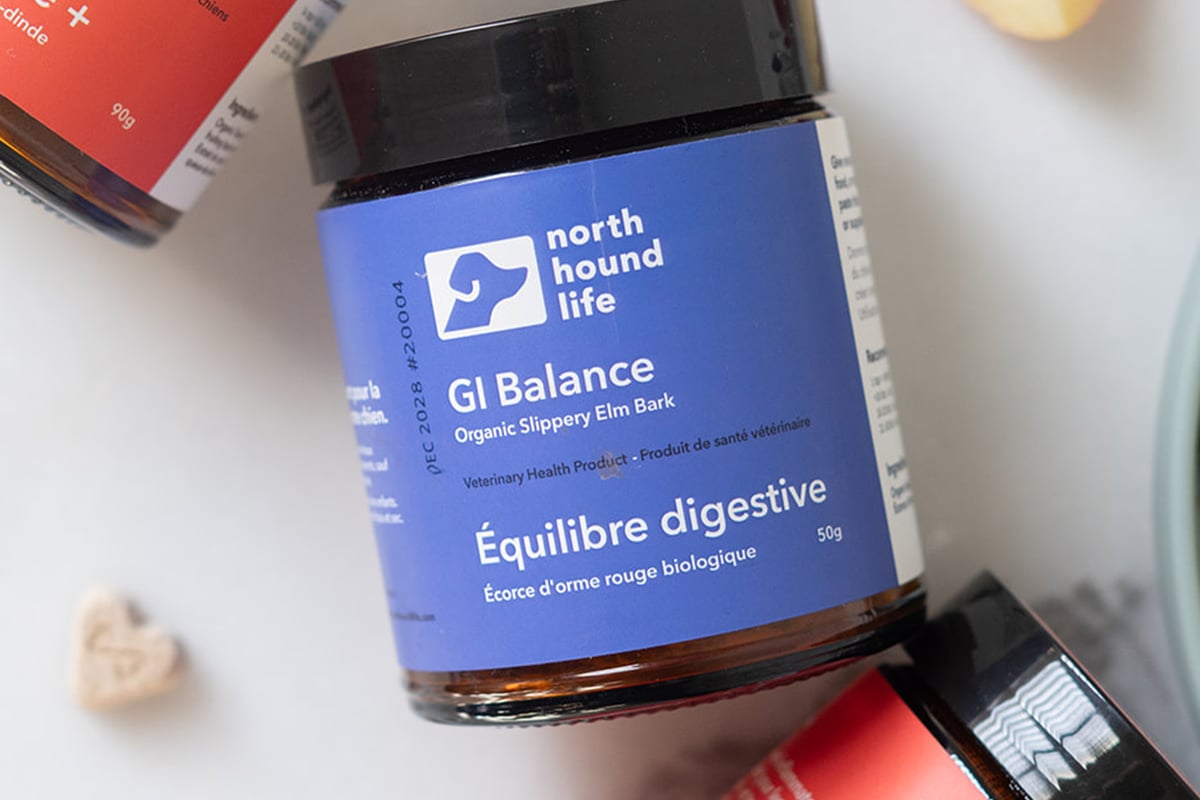
For dogs recovering from illness or managing sensitive digestion, adding targeted support makes a difference. GI Balance | Slippery Elm Bark is our top choice for digestive comfort, forming a gentle coating on the stomach and intestinal lining. It pairs beautifully with a bland diet of cooked egg and rice during recovery.
What Do Veterinary Organizations Say About Feeding Raw Eggs?
Most veterinary bodies advise caution or discourage raw feeding due to pathogen risks and public health concerns.
The World Small Animal Veterinary Association (WSAVA) provides global nutrition guidelines that address raw meat-based diets. Their position emphasizes the importance of balanced formulation and highlights risks associated with bacterial contamination.
Cornell University's Riney Canine Health Center offers evidence-based guidance on raw foods for dogs. Their experts note that while some dogs tolerate raw diets, the scientific evidence doesn't support claims that raw is inherently superior to properly cooked or commercial diets.
These aren't anti-raw crusades. They're risk assessments based on documented cases of illness, both in pets and humans. Your vet's job is to help you weigh benefits against potential harm.
When to Talk to Your Vet Before Feeding Raw Eggs
- Your dog has any chronic health condition
- Your dog takes immunosuppressive or other medications
- You have questions about portion sizes or frequency
- You're considering a fully raw diet (eggs plus meat, bones, organs)
- Your dog shows any signs of illness after eating raw eggs
How Much Raw Egg Can Dogs Safely Eat?
One raw egg two to three times per week is generally safe for a healthy adult dog, but portion size matters based on your dog's weight.
A large egg contains about 70-80 calories and 5 grams of fat. For a small dog (10-20 lbs / 4.5-9 kg), that's a significant caloric load. For a large dog (70-90 lbs / 32-41 kg), it's a modest addition.
| Dog Size | Weight Range | Max Raw Eggs per Week | Notes |
|---|---|---|---|
| Small | 10-25 lbs (4.5-11 kg) | 1-2 eggs | Consider half portions |
| Medium | 26-50 lbs (12-23 kg) | 2-3 eggs | Monitor stool quality |
| Large | 51-90 lbs (23-41 kg) | 2-4 eggs | Adjust based on activity level |
| Giant | 90+ lbs (41+ kg) | 3-4 eggs | Watch total fat intake |
Overfeeding eggs can lead to weight gain, digestive upset, or an unbalanced diet if eggs displace other essential nutrients. Treat eggs as a supplement to a complete, balanced diet, not a replacement for meals.
Frequently Asked Questions About Dogs and Raw Eggs
Can puppies eat raw eggs?
It's best to avoid raw eggs for puppies under six months due to their developing immune systems. Cooked eggs are a safer choice for growing pups.
Will raw eggs make my dog's coat shinier?
The fatty acids and biotin in eggs can support coat health, but you'll see similar benefits from cooked eggs without the pathogen risk. Consistency over weeks matters more than raw versus cooked.
Can I feed raw eggshells for calcium?
Eggshells are a calcium source, but they need to be thoroughly cleaned, dried, and ground into fine powder to be safe and effective. Even then, dosing calcium without veterinary guidance risks imbalance, especially in growing dogs.
What if my dog ate a raw egg by accident?
One accidental raw egg is unlikely to cause harm in a healthy adult dog. Monitor for vomiting, diarrhea, or lethargy over the next 24-48 hours. Contact your vet if symptoms develop.
Are quail eggs safer than chicken eggs for dogs?
Quail eggs carry the same pathogen risks as chicken eggs. They're smaller and lower in calories, which can be useful for small dogs, but cooking is still the safest option.
Supporting Your Dog's Overall Wellness Naturally
Whether you choose raw, cooked, or skip eggs altogether, the bigger picture is providing your dog with high-quality, species-appropriate nutrition and targeted support where needed.
At North Hound Life, we've built our range around whole-food ingredients that fill the gaps in modern canine diets. From immune support to digestive health, our supplements work alongside the food you're already feeding, not instead of it.
From our experience, the healthiest dogs are those whose owners take a balanced, informed approach. You don't need to be perfect. You need to be thoughtful, ask questions, and adjust based on what you observe in your own dog.
A Practical Framework for Whole-Food Nutrition
- Start with a quality base diet (commercial, home-cooked, or raw, depending on your research and vet guidance)
- Add variety through safe whole foods like cooked eggs, plain pumpkin, blueberries, or lean meats
- Target specific needs with evidence-based supplements for joint health, digestion, or immune support
- Monitor your dog's response through stool quality, energy, coat condition, and regular vet check-ups
If you're not sure where to begin with supplements tailored to your dog's unique needs, our personalized supplement quiz takes just a few minutes and recommends the best fit based on age, size, and wellness goals.
The Bottom Line on Raw Eggs for Dogs
Can my dog eat raw eggs? Technically, yes, but whether they should depends on your dog's health status, your household situation, and your willingness to manage the risks. Raw eggs offer genuine nutritional value, but they also carry the potential for bacterial contamination that affects both pets and people.
Cooked eggs deliver the same high-quality protein, vitamins, and healthy fats without the pathogen worry or biotin concerns. For most dog parents, that's the smarter choice. If you do opt for raw, source carefully, handle hygienically, and keep frequency moderate.
There's no one-size-fits-all answer here. Your dog is an individual, and their needs may differ from the pup next door. When in doubt, consult your veterinarian and trust your observations. You know your dog best.
So, can my dog eat raw eggs? The science says proceed with caution, weighing the benefits against real risks. Whether you choose raw, cooked, or skip eggs entirely, supporting your dog's health with thoughtful nutrition and high-quality, whole-food supplements makes all the differance. At North Hound Life, we're here to help you navigate these choices with transparency, science, and a shared commitment to keeping our dogs thriving for years to come.

