

When your dog's immune system needs support, whether they're recovering from illness, facing seasonal allergies, or simply getting older, finding the best immune booster for dogs can feel overwhelming. You want something safe, effective, and backed by real science, not marketing hype. I've spent years helping dog parents navigate this space, and I understand the concern you feel when your beloved companion isn't quite themselves. Let's explore what actually works, what the research says, and how to choose immune support that makes a genuine difference in your dog's life.
What Makes an Effective Immune Booster for Dogs
The best immune booster for dogs works with your dog's natural defences rather than overstimulating them. A healthy immune system needs balance, not just a bigger response. Think of it like tuning an orchestra: you don't want all the instruments playing louder, you want them playing in harmony.
Understanding Canine Immune Function
Your dog's immune system is a complex network of cells, tissues, and organs working together to protect against threats. The gut houses roughly 70% of immune cells, making digestive health inseparable from immune function. This gut-immune connection is why dietary strategies to support canine immune health focus heavily on gut microbiome balance.
When we talk about immune boosters, we're really discussing nutrients and compounds that support this intricate system:
- Beta-glucans that activate immune cells without triggering inflammation
- Probiotics that maintain healthy gut bacteria populations
- Antioxidants that protect cells from oxidative stress
- Immunoglobulins that provide passive immune support
- Omega-3 fatty acids that help regulate immune responses
The relationship between diet, gut microbiota, and immune function in dogs is well documented in recent veterinary research, showing that what we feed our dogs directly impacts their immune resilience.
Key Ingredients to Look For
Not all immune supplements are created equal. The best immune booster for dogs contains ingredients with solid research behind them, not just trendy additions.
| Ingredient | Primary Benefit | Evidence Level | Best For |
|---|---|---|---|
| Turkey tail mushroom | Beta-glucan content, immune modulation | Strong | Senior dogs, recovery support |
| Bovine colostrum | Immunoglobulins, gut lining support | Moderate to strong | Post-illness, seasonal allergies |
| Probiotics (canine strains) | Gut microbiome, immune balance | Strong | Digestive issues, after antibiotics |
| Omega-3 fatty acids | Immune regulation, inflammation balance | Strong | Skin issues, senior dogs |
From our experience at North Hound Life, the dogs who benefit most from immune support are those recovering from illness or surgery, seniors with declining immune function, and dogs with seasonal sensitivities. We've seen countless dogs regain their vitality when their gut health and immune system receive proper nutritional support.
Natural Immune Boosters Backed by Science
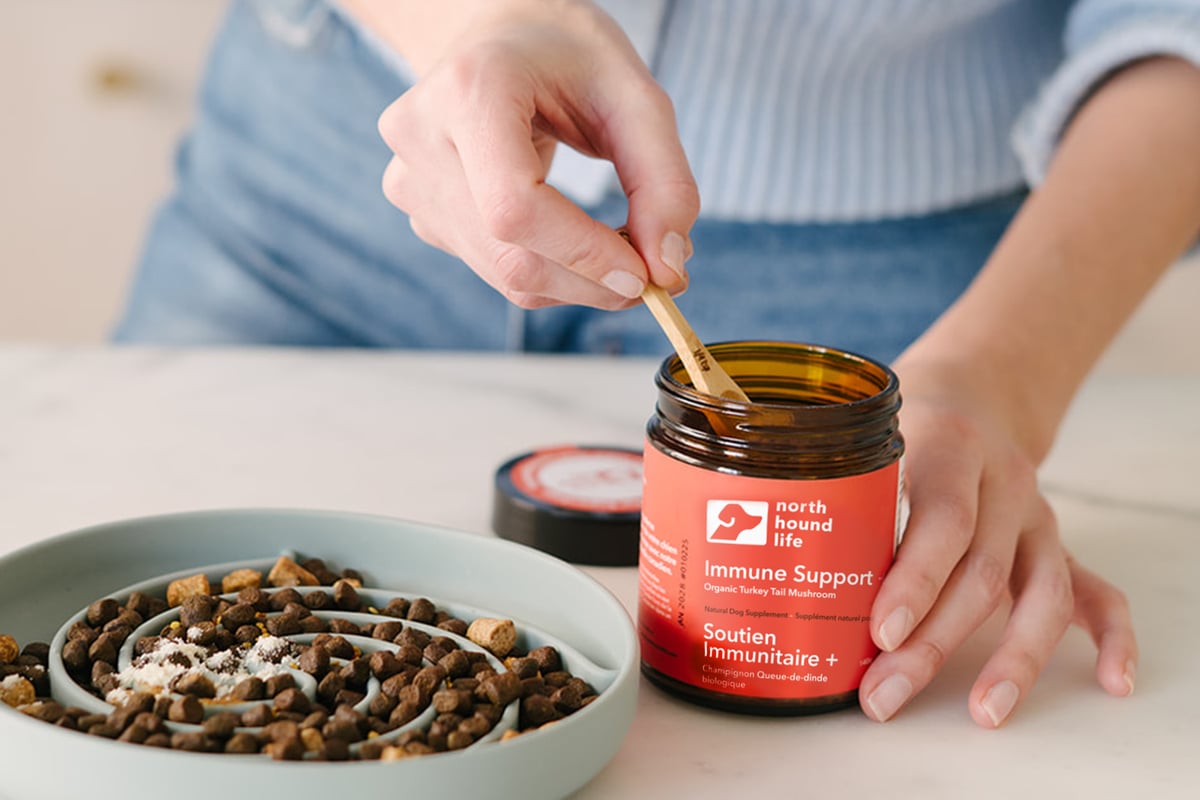
Turkey tail mushroom stands out as one of the most researched natural immune boosters available. This functional mushroom contains polysaccharides, particularly beta-glucans, that help activate immune cells without causing excessive inflammation. For dogs who need reliable immune support, especially seniors or those bouncing back from health challenges, turkey tail offers a gentle yet effective approach.
Bovine colostrum deserves special mention as a whole-food immune booster. It's nature's first food, packed with immunoglobulins (antibodies), growth factors, and proline-rich polypeptides (PRPs) that help balance immune responses. Unlike synthetic immune stimulants, colostrum provides bioavailable nutrients that work in concert with your dog's body.
Probiotics and the Gut-Immune Connection
The evidence for probiotics in canine immune support continues to grow stronger. Clinical trials have demonstrated how specific probiotic interventions can modulate gut microbiome composition and inflammatory markers in dogs, supporting overall immune balance.
When choosing the best probiotic for dogs, look for:
- Canine-specific strains sourced from healthy dogs, not human probiotics repackaged
- Adequate CFU count (typically 1-5 billion per dose for most dogs)
- Prebiotic fibres like inulin that feed beneficial bacteria
- Stability guarantees ensuring live bacteria reach the gut
The synergy between probiotics and immune function isn't just marketing. Recent research confirms that maintaining a healthy gut microbiome directly influences systemic immune responses, making probiotics a cornerstone of any comprehensive immune support protocol.
Omega-3 Fatty Acids for Immune Regulation
Omega-3s often get praised for skin and coat benefits, but their immune-modulating properties are equally impressive. EPA and DHA, the active omega-3s in marine oils, help regulate inflammatory responses without suppressing necessary immune function. Proper dosing guidance from veterinary sources suggests 20-55 mg of combined EPA and DHA per pound (50-120 mg per kg) of body weight daily for immune support.
Choosing the Best Immune Booster for Your Dog's Needs
Every dog is unique, and the best immune booster for dogs varies depending on age, health status, and specific challenges. A puppy building their immune system needs different support than a senior dog or one recovering from illness.
Life Stage Considerations
Puppies and young dogs (8 weeks to 18 months) are still developing their immune systems. Support should focus on:
- Gentle immune education through whole-food nutrients
- Probiotic establishment during the critical early months
- Avoiding overstimulation of the developing immune system
Adult dogs (18 months to 7 years) benefit from maintenance support:
- Seasonal immune challenges during allergy seasons
- Stress-related immune dips (boarding, travel, environmental changes)
- Preventive support to maintain optimal function
Senior dogs (8+ years) often need more comprehensive immune support as their systems naturally decline. The best supplements for older dogs typically combine immune boosters with joint and cognitive support for holistic wellness.
Matching Supplements to Specific Situations
Different health scenarios call for different approaches to immune support:
- Post-surgery or illness recovery: Bovine colostrum paired with probiotics helps rebuild strength and support tissue repair
- Seasonal allergies: A combination approach targeting gut health and immune balance often works best, as outlined in our guide to combating seasonal allergies naturally
- Chronic digestive issues: Start with gut healing, then layer in immune support once the foundation is stable
- General wellness maintenance: Single-ingredient, whole-food supplements provide consistent support without overcomplicating
At North Hound Life, we've built our supplement line around these real-world needs, focusing on pure, single-ingredient formulas that you can combine thoughtfully based on your dog's unique situation.
Dosing and Safety Guidelines
Getting the dose right matters as much as choosing the right supplement. Too little won't provide adequate support; too much wastes money and may cause digestive upset in sensitive dogs.
General Dosing Principles
Most whole-food immune boosters are remarkably safe with wide therapeutic windows. However, starting low and building gradually helps you assess tolerance, especially in dogs with sensitive systems.
Body weight-based dosing (general guidelines):
| Dog Weight | Turkey Tail Mushroom | Bovine Colostrum | Probiotic (CFU) |
|---|---|---|---|
| Under 25 lbs (11 kg) | 500-750 mg daily | 500-1000 mg daily | 1-2 billion |
| 25-50 lbs (11-23 kg) | 750-1500 mg daily | 1000-2000 mg daily | 2-3 billion |
| 50-75 lbs (23-34 kg) | 1500-2000 mg daily | 2000-3000 mg daily | 3-4 billion |
| Over 75 lbs (34+ kg) | 2000-3000 mg daily | 3000-4000 mg daily | 4-5 billion |
These ranges represent typical starting points. Individual dogs may need adjustments based on their response and specific health goals.
Safety Considerations and Contraindications
The regulatory landscape for pet supplements varies significantly from human supplements. In Canada, many quality immune boosters carry Health Canada registration, providing an additional layer of safety assurance.
Important safety notes:
- Dogs with autoimmune conditions should only use immune boosters under veterinary supervision
- Bovine colostrum isn't suitable for dogs with milk protein allergies or severe lactose intolerance
- Mushroom supplements should always be fruiting body extracts, never mycelium on grain
- Probiotics may cause temporary digestive changes (softer stools, mild gas) during the first week
From our experience, most dogs tolerate natural immune boosters beautifully when introduced gradually. We recommend starting at half the suggested dose for the first 3-5 days, then increasing to the full amount if no digestive upset occurs.
Combining Immune Boosters for Maximum Benefit
Strategic stacking of immune-supporting supplements often produces better results than any single ingredient alone. The key is understanding which combinations work synergistically.
Effective Supplement Combinations
The Gut-Immune Foundation Stack:
- High-quality probiotic (canine-specific strains)
- Prebiotic fiber source
- Bovine colostrum for immunoglobulin support
This combination addresses the gut-immune connection from multiple angles, helping establish and maintain the healthy microbiome that underlies strong immune function.
The Senior Support Stack:
- Turkey tail mushroom for immune activation
- Omega-3 fatty acids for immune regulation
- Antioxidant-rich whole foods
The Recovery Stack:
- Bovine colostrum for passive immunity and gut lining repair
- Probiotics to restore beneficial bacteria (especially after antibiotics)
- Easily digestible, nutrient-dense whole foods
When exploring immune system supplements for dogs, remember that more isn't always better. Three well-chosen, high-quality supplements often outperform six mediocre ones.
Timing and Administration Tips
How and when you give immune boosters affects their efficacy:
- Probiotics work best on an empty stomach (20-30 minutes before meals) so stomach acid doesn't destroy the bacteria
- Colostrum can be given with or without food, though some dogs tolerate it better mixed into meals
- Mushroom extracts are typically best absorbed when given with a small amount of healthy fat
- Omega-3s should always be given with food to maximize absorption and prevent fishy burps
Consistency matters more than perfection. Daily administration, even if timing isn't always ideal, beats sporadic perfect timing.
What the Research Actually Shows
Let's be honest: the supplement industry makes a lot of bold claims. As someone who's spent years in this space, I've learned to look past marketing and focus on what the research actually demonstrates.
Evidence-Based Immune Support
The veterinary community's approach to supplements has evolved significantly. Global nutrition guidelines from organisations like WSAVA now acknowledge the role of specific nutrients in supporting immune health, though they rightfully maintain caution about unsubstantiated claims.
What we know from solid research:
- Polysaccharides from medicinal mushrooms activate innate immune cells
- Specific probiotic strains modulate gut-associated lymphoid tissue
- Colostrum provides passive immunity through immunoglobulin transfer
- Omega-3 fatty acids influence immune cell membrane function and signalling
What remains under-researched:
- Long-term outcomes of continuous immune supplement use
- Optimal dosing for specific breeds or genetic predispositions
- Interactions between multiple immune-modulating supplements
- Comparative effectiveness of different extraction methods for botanicals
The practical guidance on pet supplements from veterinary institutes emphasizes choosing products from reputable manufacturers who test for purity and potency, which is exactly what we prioritize at North Hound Life.
Frequently Asked Questions
How long does it take to see results from immune boosters? Most dogs show subtle improvements within 2-4 weeks, though full benefits often require 6-8 weeks of consistent use. Immune system modulation is gradual, not instantaneous.
Can puppies take immune boosters safely? Yes, but choose gentle options like probiotics and whole-food nutrients rather than strong immune stimulants. Puppies' immune systems are still learning, so gentle support is best.
Should I give immune boosters year-round or seasonally? This depends on your dog's needs. Senior dogs and those with chronic issues benefit from year-round support, while healthy adult dogs might only need seasonal boosting during stress periods or allergy seasons.
Are expensive immune boosters better than affordable ones? Not necessarily. Price should reflect quality ingredients and proper extraction/processing, not fancy packaging. Single-ingredient supplements from reputable sources often outperform expensive multi-ingredient blends.
Can immune boosters replace veterinary care? Never. Supplements support health but don't replace proper diagnosis and treatment. Always consult your veterinarian for health concerns, and discuss supplement use as part of your dog's overall care plan.
Making Your Choice: A Practical Framework
Choosing the best immune booster for dogs doesn't have to be complicated. Start with your dog's specific needs, choose quality ingredients with research backing, and give supplements adequate time to work.
Your Decision-Making Checklist
Before purchasing any immune booster, ask yourself:
- What specific challenge am I addressing? (Recovery, seasonal allergies, senior support, general wellness)
- Does my dog have any sensitivities or allergies that would rule out certain ingredients?
- What's my budget for consistent, long-term use? (Immune support works best when maintained)
- Does the manufacturer provide transparency about sourcing, testing, and potency?
- Can I commit to daily administration for at least 4-6 weeks to properly assess effectiveness?
If you're feeling uncertain about which supplement best fits your dog's needs, our personalized supplement quiz can help you navigate the options based on your dog's age, size, and specific wellness goals.
Red Flags to Avoid
Not all immune boosters deserve your trust or your money. Watch out for:
- Proprietary blends that don't disclose individual ingredient amounts
- Outrageous claims about curing diseases or miraculous transformations
- Synthetic immune stimulants rather than whole-food nutrients
- Lack of third-party testing for purity and potency
- Underdosing (common in cheaper products to reduce costs)
- Excessive fillers like maltodextrin, rice flour, or unnecessary binders
Quality immune boosters typically have short, readable ingredient lists. If you can't pronounce most ingredients or the label looks like a chemistry experiment, keep looking.
Building a Complete Immune Support Protocol
The best immune booster for dogs works even better when combined with lifestyle factors that naturally support immune health. Supplements aren't magic pills that compensate for poor nutrition or chronic stress.
The Foundation: Nutrition and Lifestyle
Before layering in supplements, ensure these fundamentals are solid:
Diet quality matters enormously. A species-appropriate diet rich in bioavailable protein, healthy fats, and minimal processing provides the building blocks for immune function. Many dog parents find that switching to higher-quality food reduces their dog's need for intensive supplement protocols.
Adequate exercise supports immune health through multiple mechanisms: stress reduction, improved circulation, healthy weight maintenance, and better sleep quality. Even 20-30 minutes of daily activity makes a measurable difference.
Stress managment is often overlooked in canine immune health. Chronic stress suppresses immune function in dogs just as it does in humans. Providing a stable routine, adequate rest, and positive social interactions supports immune resilience.
Environmental toxin reduction helps lighten the immune system's workload. Consider switching to natural cleaning products, avoiding unnecessary pesticide exposure, and providing clean, filtered water.
Layering Supplements Thoughtfully
Once the foundation is solid, add supplements strategically:
Phase 1 (Weeks 1-4): Start with gut health
- Introduce a quality probiotic
- Ensure adequate fiber intake for prebiotic support
- Address any digestive issues before layering immune boosters
Phase 2 (Weeks 5-8): Add primary immune support
- Introduce your chosen immune booster (turkey tail, colostrum, etc.)
- Maintain probiotic use
- Monitor for any changes in energy, coat quality, or stool
Phase 3 (Week 9+): Optimize and maintain
- Continue beneficial supplements long-term
- Adjust doses based on seasonal needs
- Reassess every 3-6 months
This phased approach helps you identify which interventions truly benefit your dog, rather than throwing everything in at once and hoping something works.
Quality Markers in Canadian Immune Supplements
As a Canadian company, we understand the unique advantages of sourcing and manufacturing supplements in Canada. Our regulatory framework and quality standards often exceed those in other countries.
What Makes Canadian Supplements Different
Health Canada registration (Natural Product Number or NPN) requires:
- Evidence of safety and efficacy
- Good Manufacturing Practices (GMP) compliance
- Proper labeling and dosing information
- Ongoing quality monitoring
Canadian supplement companies also benefit from access to pristine source materials. Our bovine colostrum comes from Canadian dairy farms with some of the world's strictest animal welfare and quality standards. When you're choosing Canadian supplement brands, you're often getting superior traceability and quality assurance.
Transparency and Testing
Reputable immune supplement manufacturers provide:
- Certificate of Analysis (COA) for each batch, showing actual tested potency
- Third-party testing for contaminants (heavy metals, pathogens, pesticides)
- Clear sourcing information about where ingredients originate
- Extraction methods for botanical ingredients (water extraction vs. alcohol vs. solvents)
- Expiration dating that reflects actual stability testing, not guesswork
At North Hound Life, we believe transparency builds trust. Every product we offer meets these standards because your dog deserves nothing less.
Finding the best immune booster for dogs means looking beyond marketing hype to ingredients backed by real science, choosing quality over convenience, and understanding your individual dog's needs. Whether you're supporting a senior dog's declining immune function, helping a pup recover from illness, or simply investing in preventive wellness, the right immune support can make a meaningful difference in your dog's quality of life. At North Hound Life, we're committed to providing pure, whole-food supplements that work with your dog's body, not against it, because every dog deserves the chance to thrive at every life stage.

