


Is your dog slowing down, struggling with stairs, or just not as playful as before? If so, it could be a sign of joint and hip for dogs issues affecting your beloved companion. You are not alone in this—many pet owners face similar worries, especially as their dogs age or if they belong to higher-risk breeds.
This guide is here to offer you the latest expert insights for 2025. We will explore the causes, early symptoms, ways to prevent problems, treatment options, and the newest trends in canine joint health. Our aim is to empower you with easy-to-understand, practical advice, so you can make the best decisions for your dog's comfort and happiness.
Together, let's take the first step towards ensuring your dog's joints and hips stay strong and healthy for years to come.
Understanding Joint and Hip Issues in Dogs
If you have noticed your dog slowing down or having trouble with daily activities, understanding joint and hip for dogs is essential. These issues are surprisingly common and can affect dogs of all ages and breeds. By recognising the early signs and learning what causes these problems, we can help our furry friends lead happier, more comfortable lives.
Common Joint and Hip Conditions in Dogs
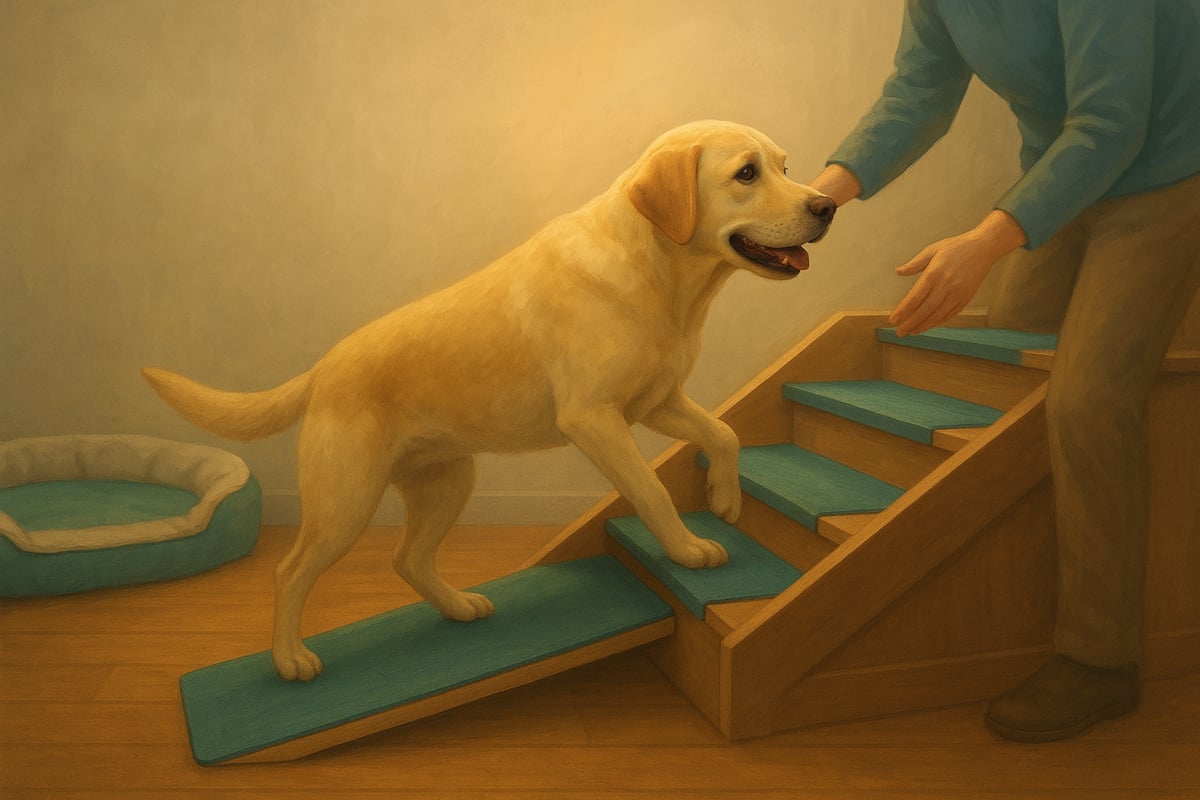
Joint and hip for dogs problems are a leading cause of discomfort, especially as they age. Osteoarthritis affects over 20 percent of adult dogs in Canada, making it the most widespread joint condition. Hip dysplasia is another major concern, often seen in breeds like Labrador Retrievers, German Shepherds, and Golden Retrievers due to genetic factors.
Cruciate ligament injuries can cause sudden lameness and require careful management. Patellar luxation, though less common, is seen in smaller breeds and can lead to chronic pain. Some issues are age-related, while others are present from birth. According to recent Canadian veterinary statistics, large breeds are at higher risk, with Labradors topping the list for hip and joint problems.
Causes and Risk Factors
There are many reasons why joint and hip for dogs issues develop. Genetics play a big role, especially in certain breeds. Obesity is a significant risk factor, with over half of Canadian dogs now considered overweight. Inadequate nutrition, especially during puppyhood, can affect bone and joint development, while mineral imbalances may also contribute.
Repetitive strain from activities like jumping or running on hard surfaces increases wear and tear. Environmental factors, such as slippery floors, make injuries more likely. Early spaying or neutering has also been linked to a higher incidence of joint conditions in some studies. By understanding these risks, we can take proactive steps to protect our pets.
Recognising Symptoms Early
Spotting joint and hip for dogs problems early can make a world of difference. Common signs include limping, stiffness, or a reluctance to jump onto furniture or climb stairs. You might notice your dog withdrawing from play, becoming irritable, or licking their joints more than usual.
Symptoms often start subtly and can be mistaken for normal ageing. However, these changes may progress to severe mobility loss if not addressed. For example, a senior Golden Retriever who received early treatment for mild lameness was able to maintain an active lifestyle much longer. Early detection leads to better outcomes and more options for care.
The Impact on Quality of Life
The effect of joint and hip for dogs conditions on quality of life is profound. Pain and reduced mobility often lead to a drop in activity levels and even emotional changes, like depression or anxiety. Secondary health problems, such as muscle loss or weight gain, are also common.
Owners may notice a shift in their relationship with their dog, as walks become shorter and playtime decreases. According to Canadian surveys, untreated joint problems can drastically reduce a dog's happiness and longevity. With the right support and treatment, though, many dogs can continue to enjoy life and stay close to their families.
Prevention: Keeping Your Dog’s Joints Healthy
Keeping your dog’s joints healthy is one of the kindest things we can do as pet owners. Prevention is always better than cure, especially when it comes to joint and hip for dogs. By focusing on the right nutrition, exercise, home environment, and regular vet care, we can help our dogs stay active and happy for years to come.

Nutrition and Weight Management
Nutrition is the foundation of joint and hip for dogs. A balanced diet keeps joints cushioned and muscles strong. Keeping your dog at a healthy weight is vital, as extra kilos put extra strain on their joints. According to Canadian Veterinary Medical Association guidelines, over half of Canadian dogs are overweight, putting them at higher risk for joint issues.
Key nutrients for joint support include omega-3 fatty acids, glucosamine, and chondroitin. Here’s a quick table to summarise:
| Nutrient | Benefit |
|---|---|
| Omega-3s | Reduces inflammation |
| Glucosamine | Supports cartilage repair |
| Chondroitin | Maintains joint elasticity |
For large-breed puppies, following a diet plan that controls calcium and calorie intake can help prevent hip dysplasia and other joint conditions. Always consult your vet to tailor a diet plan that suits your dog’s age, breed, and activity level.
Exercise and Physical Activity
Regular movement is crucial for joint and hip for dogs. Low-impact activities like swimming, walking on grass, and gentle fetch games help maintain muscle strength without stressing the joints. High-impact activities such as jumping or running on hard surfaces can cause repetitive strain, especially in growing puppies or older dogs.
Physiotherapy and hydrotherapy are gaining popularity in Canada as preventive measures. These therapies support flexibility and joint health, especially for dogs with early signs of stiffness. Adjust your dog’s exercise routine as they age, and always watch for signs of fatigue or discomfort.
Environmental Modifications
Your home environment plays a bigger role in joint and hip for dogs than you might think. Slippery floors, steep stairs, and high furniture can increase injury risk or worsen existing issues. Adding non-slip rugs or mats, using ramps for cars and beds, and providing orthopaedic beds can make a big difference.
If your dog loves to jump up or down from furniture, consider training them to use steps or ramps instead. These small changes can prevent unnecessary strain and keep your dog moving comfortably as they age.
Regular Vet Check-Ups and Early Screening
Annual vet visits are essential for monitoring joint and hip for dogs. Early detection of joint changes gives your dog the best chance at a pain-free life. Vets may use X-rays, gait analysis, or even genetic testing to spot early signs of joint disease, especially in breeds known to be at risk.
Canadian veterinary recommendations include yearly joint checks, particularly for large breeds and senior dogs. By catching problems early, you and your vet can work together on a plan that keeps your dog active and thriving.
The Role of Natural Supplements
Natural supplements can play a supportive role in joint and hip for dogs. Ingredients like green-lipped mussel, turmeric, and eggshell membrane have been shown to reduce inflammation and support joint structure. In Canada, whole-food joint supplements are becoming increasingly popular for their safety and effectiveness.
When choosing a supplement, look for Canadian brands with transparent ingredient sourcing. Products from Joint Health Supplements for Dogs offer options that fit easily into any diet, supporting your dog’s joint health naturally.
Natural Whole-Food Supplements for Joint Health
North Hound Life offers Canadian-made, whole-food supplements designed specifically for joint and hip support. Their range includes Hip & Joint Health with New Zealand Green Lipped Mussels, Eggshell Membrane, and Turmeric Wellness+, all made from human-grade ingredients.
These supplements are suitable for dogs of all ages and can be added to kibble, raw, or homemade diets. Clear dosage guidelines and positive reviews from both vets and owners make them a trusted choice for Canadian pet families seeking sustainable joint care.
Diagnosis: How Vets Assess Joint and Hip Problems
Getting a clear diagnosis for joint and hip for dogs is a crucial step in helping your furry friend feel their best. Knowing what to expect at the vet can make the process less overwhelming for both you and your dog. Let's walk through how Canadian vets approach diagnosis, so you feel confident and prepared.
Diagnostic Process Explained
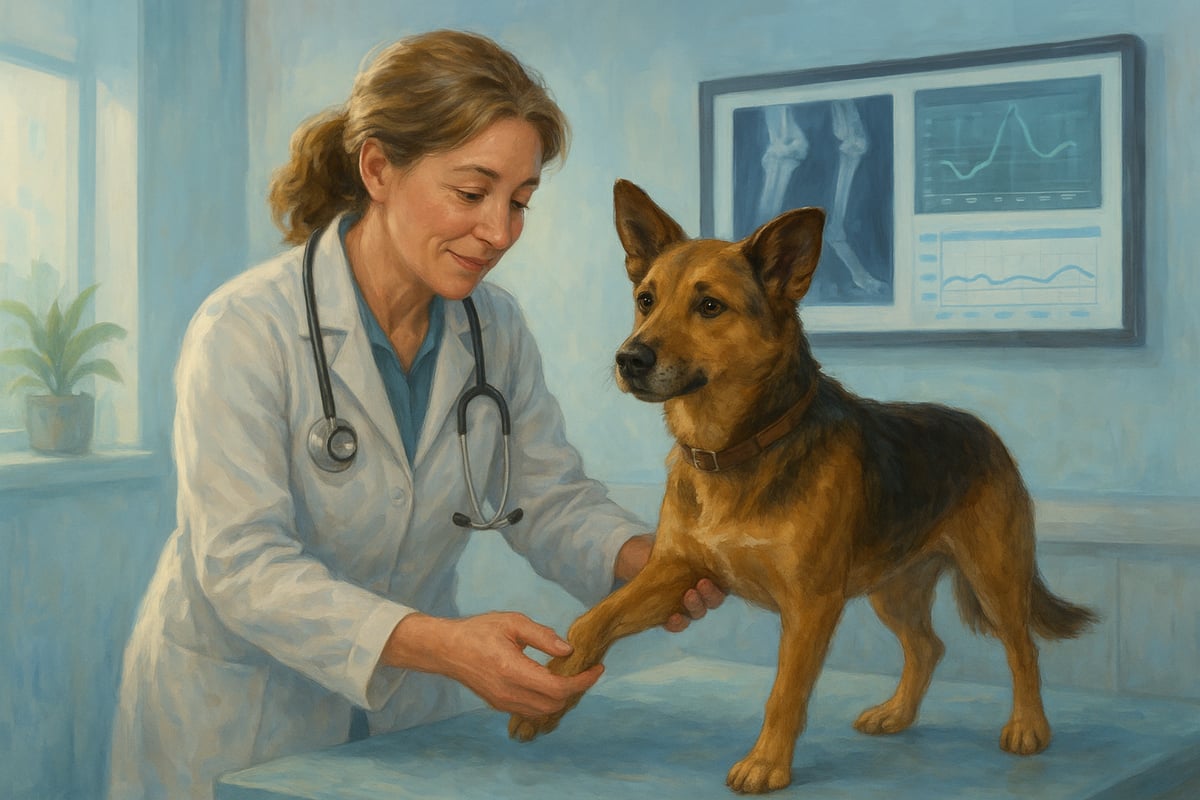
When you visit your vet with concerns about joint and hip for dogs, the process begins with a thorough history and a gentle physical exam. The vet will ask about changes in movement, activity, and behaviour. They will watch your dog walk, sit, and stand, looking for any signs of limping or discomfort.
Next, the vet will carefully feel your dog's joints, checking for swelling, heat, or pain. Range-of-motion tests help pinpoint where the problem is. Many clinics use lameness scoring systems, which standardise how mobility is measured in joint and hip for dogs across Canada.
You play a vital role by sharing what you’ve noticed at home. Tracking symptoms like reluctance to climb stairs or changes in playfulness can be invaluable for a fast, accurate diagnosis.
Imaging and Advanced Diagnostics
Imaging is often the next step in diagnosing joint and hip for dogs. X-rays are the gold standard for checking bone structure and joint alignment. They can reveal arthritis, hip dysplasia, or old injuries. For soft tissue issues, vets may use ultrasound or MRI scans, which give a clearer picture of ligaments and cartilage.
Cutting-edge tools are becoming more common in Canadian clinics. Digital gait analysis and pressure mats help detect subtle lameness. Excitingly, new Development of AI algorithms for canine wellness assessment are now supporting vets in early detection, making diagnosis even more precise.
Imaging helps differentiate between conditions like arthritis and dysplasia, ensuring your dog gets the right treatment from the start.
Genetic and Laboratory Testing
Some joint and hip for dogs problems have a genetic component. DNA tests can identify breed-specific risks, especially for issues like hip dysplasia or certain ligament problems. These tests are especially useful for purebred dogs or those with a family history of joint issues.
Blood work may also be recommended. Markers of inflammation or infection can provide clues about the underlying cause. Canadian labs now offer advanced testing, making it easier than ever to screen for early joint disease.
Early genetic screening is invaluable for high-risk breeds, helping owners take proactive steps to protect their dog's joint and hip for dogs health.
When to Seek Veterinary Help
Knowing when to call your vet can make all the difference for joint and hip for dogs. Red flags include sudden severe lameness, visible swelling, or yelping in pain. These signs need quick attention to prevent long-term damage.
Prompt intervention leads to the best outcomes, so trust your instincts if you notice unusual symptoms. Regularly monitor your dog’s mobility and mood. Keeping a simple diary or using a tracking app can help you and your vet spot patterns.
Timely diagnosis, as seen in many Canadian case studies, can transform a dog's quality of life and restore joy to your daily adventures together.
Treatment Options: From Conservative to Advanced Care
Caring for joint and hip for dogs can feel overwhelming, but with the right approach, there is so much we can do to help our pets move with comfort and joy. Let’s explore the range of treatment options available in Canada, from simple lifestyle tweaks to cutting-edge therapies, all designed to improve mobility and quality of life.

Conservative Management and Lifestyle Changes
The first step in managing joint and hip for dogs is often conservative care. Reducing your dog’s weight, if needed, can dramatically ease pressure on sore joints. A tailored exercise plan, designed with your vet, helps keep muscles strong without overtaxing sensitive areas.
Physical therapy and hydrotherapy are gentle, effective options gaining popularity in Canada. Massage can also provide comfort and promote healing. Pain management, using vet-approved medications, is essential for keeping your dog happy and active.
Simple home modifications, like adding ramps and non-slip mats, support recovery. These steps, when combined, form the foundation of joint and hip for dogs treatment.
Nutritional and Supplement-Based Therapies
Nutrition plays a vital role in joint and hip for dogs. Many Canadian vets recommend diets rich in omega-3 fatty acids, glucosamine, and chondroitin to support joint structure. Supplements made with green-lipped mussel, eggshell membrane, and turmeric have shown promise in reducing inflammation and improving mobility.
Choosing a Canadian brand with transparent sourcing ensures safety and quality. For example, a senior dog on a supplement regimen may show increased playfulness and flexibility within weeks. Always discuss new supplements with your vet to tailor them to your dog’s unique needs.
Medical Interventions and Pharmaceuticals
When conservative measures are not enough, medical interventions may become necessary for joint and hip for dogs. Non-steroidal anti-inflammatory drugs (NSAIDs) are commonly prescribed to manage pain and inflammation. Some dogs may benefit from corticosteroids or disease-modifying agents, depending on their condition and response to first-line therapies.
Regular monitoring for side effects is crucial, as long-term medication use requires careful oversight. Canadian veterinary guidelines emphasise safety and regular bloodwork. Open communication with your vet helps ensure the best outcome for your pet.
Surgical Solutions for Severe Cases
For some dogs, surgery is the best option to restore comfort and function in joint and hip for dogs. Procedures such as total hip replacement, femoral head ostectomy, or cruciate ligament repair are performed in Canadian veterinary hospitals with high success rates.
Recovery timelines vary, but most dogs experience significant improvements in mobility and pain relief. Post-operative rehabilitation, including physiotherapy and controlled exercise, is essential for optimal results. Owners play a key role in supporting their pet during this stage.
Innovative and Emerging Therapies
The field of joint and hip for dogs is evolving rapidly, with exciting new therapies available in Canada. Stem cell therapy and platelet-rich plasma (PRP) are showing promise in regenerating damaged tissues. Laser therapy and shockwave treatments are increasingly used for pain relief and healing.
To stay informed on the latest options, explore advancements in canine osteoarthritis treatments, which highlight new biologics and regenerative therapies. While these treatments may not suit every dog, they offer hope for cases where traditional methods fall short.
Integrative and Holistic Approaches
A growing number of Canadian pet owners are embracing integrative care for joint and hip for dogs. Acupuncture, chiropractic adjustments, and herbal remedies can complement conventional treatments to enhance comfort and healing.
Collaboration between vets, canine physiotherapists, and holistic practitioners ensures a well-rounded plan. Many owners share positive experiences, finding that their dogs are more relaxed and mobile with these supportive therapies. Always consult your veterinary team to ensure safety and effectiveness.
Living with Joint and Hip Issues: Daily Management Strategies
Living with joint and hip for dogs can seem overwhelming at first, but with the right strategies, you and your pup can enjoy many happy days together. Let’s explore practical ways to keep your dog comfortable, active, and emotionally supported, no matter their age or condition.
Pain Management and Comfort Measures
Recognising pain in dogs with joint and hip for dogs is the first step towards comfort. Watch for subtle signs like limping, slow movement, or changes in posture. A gentle massage, heat or cold packs, and orthopaedic bedding can make a real difference in daily life.
Discuss pain relief with your vet, who may recommend safe medications or natural approaches. Many Canadian owners have found success with Natural Mobility Support for Dogs, which offers supplement options to ease discomfort and support joint function.
Track your dog’s comfort daily. Small changes, like adjusting their sleeping spot or providing extra support during walks, show your dedication to their wellbeing.
Mobility Aids and Home Adaptations
Adapting your home can transform quality of life for dogs facing joint and hip for dogs challenges. Simple changes like ramps, non-slip mats, or harnesses help your dog move safely and confidently.
- Ramps: Make stairs and cars accessible.
- Harnesses and slings: Offer support with minimal strain.
- Orthopaedic beds: Cushion joints and provide restful sleep.
Canadian suppliers offer a range of products designed for canine comfort. For senior dogs, Senior Dog Joint Care Tips offers practical advice and resources for creating a supportive living space.
A thoughtful environment lets your dog stay close to family activities, boosting their mood and sense of belonging.
Exercise, Rehabilitation, and Enrichment
Gentle, regular activity is vital for dogs with joint and hip for dogs. Low-impact walks, swimming, and tailored physiotherapy sessions help maintain muscle and mobility without overloading joints.
Rehabilitation centres across Canada offer hydrotherapy and physiotherapy, supporting dogs with individualised plans. At home, try interactive toys or short, positive training sessions to keep your dog mentally engaged.
- Hydrotherapy: Safe, buoyant exercise.
- Puzzle feeders: Stimulate the mind.
- Short walks: Prevent stiffness.
Balancing exercise and rest ensures your dog enjoys daily life while protecting their joints.
Monitoring Progress and Adjusting Care
Ongoing monitoring is key for managing joint and hip for dogs. Keep a journal or use a digital app to track symptoms, energy levels, and responses to treatment or supplements.
Regular vet check-ins help adjust medications or therapies as your dog’s needs change. Don’t hesitate to ask about new options if you notice setbacks or slow improvement.
Working closely with your veterinary team ensures your dog receives the best care. Staying proactive helps you catch small issues before they become big concerns.
Emotional Support for Dogs and Owners
Caring for a dog with joint and hip for dogs can be emotionally challenging, but you are not alone. Dogs may feel anxious or frustrated, so offer calm reassurance, gentle routines, and lots of affection.
Connect with Canadian pet communities, trainers, or support groups for encouragement and advice. Remember, your own wellbeing matters too. Taking time for self-care helps you stay positive and present for your pet.
Together, you and your dog can navigate joint and hip changes with resilience and love.
The Future of Canine Joint and Hip Health: Trends for 2025
The future is bright for dogs facing joint and hip for dogs challenges. With new research, technology, and community resources, Canadian pet owners have more tools than ever to support their companions. Let’s explore what 2025 holds for joint and hip for dogs care.
Advances in Veterinary Medicine
Veterinary medicine is evolving quickly, bringing new hope to families managing joint and hip for dogs issues. Expect to see more advanced imaging tools like digital gait analysis and portable MRI scanners, making early diagnosis faster and more precise. Personalised medicine is becoming a reality, with treatments tailored to each dog’s genetic profile and lifestyle. Canadian research centres are leading clinical trials on regenerative therapies, such as stem cell injections and platelet-rich plasma, aiming for less invasive and more effective recovery. These advances will help us catch problems sooner and offer safer, more targeted solutions for joint and hip for dogs.
Breakthroughs in Nutrition and Supplements
Nutrition is taking centre stage in the conversation about joint and hip for dogs health. In 2025, Canadian companies are leading the way with minimally processed, whole-food supplements rich in bioactive peptides and advanced omega-3 formulas. Pet owners now have access to products that go beyond traditional glucosamine, supporting joint structure and reducing inflammation naturally. For example, you can explore Superfood Nutrition for Joints to find Canadian-made options that blend science and sustainability. This new wave of supplements is making it easier and tastier for dogs of all ages to stay active and comfortable.
Technology and Home Monitoring
Technology is transforming how we manage joint and hip for dogs at home. Wearable devices, such as smart collars and harnesses, track your dog’s movement, detect subtle changes in gait, and send real-time data to your vet. Telehealth appointments are more accessible, so you can consult with specialists from anywhere in Canada. New apps help you log symptoms, set medication reminders, and track progress. These innovations give us peace of mind and empower us to respond quickly if our dog’s mobility changes. With these tools, joint and hip for dogs care is more proactive and personalised than ever.
Preventive Care and Owner Education
Prevention is the future focus for joint and hip for dogs. Educational campaigns across Canada are teaching owners how to spot early warning signs, maintain healthy weight, and provide the right nutrition and exercise. Studies show that owner awareness is key to successful prevention and management. For instance, Dog owners' perceptions of canine body composition highlights how understanding your dog’s body condition can make a real difference. As we move into 2025, expect more community resources, workshops, and online support to help every owner feel confident in caring for their dog’s joints.
We’ve covered a lot about keeping our dogs happy and mobile, from recognising early signs of joint trouble to exploring natural whole food supplements that really make a difference. If you’re feeling inspired to take the next step but aren’t sure where to start, you’re not alone. We all want to make the best choices for our dogs, especially with so many supplement options out there. To make things easier, you can use the Supplement Finder For Your Dog to find the perfect fit for your dog’s unique needs. Let’s take the journey to healthier, more active years together!
