


Is your dog’s coat looking dull or are you concerned about their joint health? You’re not alone. Many of us want to see our dogs happy, active, and shining with vitality. One simple step could make all the difference: canine omega 3 oil.
In this guide, we’ll take you through everything you need to know about canine omega 3 oil in 2025. You’ll discover what omega 3 is, how it supports your dog’s body, and the latest research on its health benefits.
We’ll also show you how to choose a high-quality oil, find the right dosage, and integrate it easily into your dog’s routine. By the end, you’ll feel confident and empowered to give your dog the best start towards a healthier, happier life.
Understanding Omega 3 Oil for Dogs
Isn’t it fascinating how something as simple as oil can make such a difference in your dog's life? To really give our dogs the best, we need to understand what canine omega 3 oil is, why it matters, and how to make smart choices for their wellbeing.
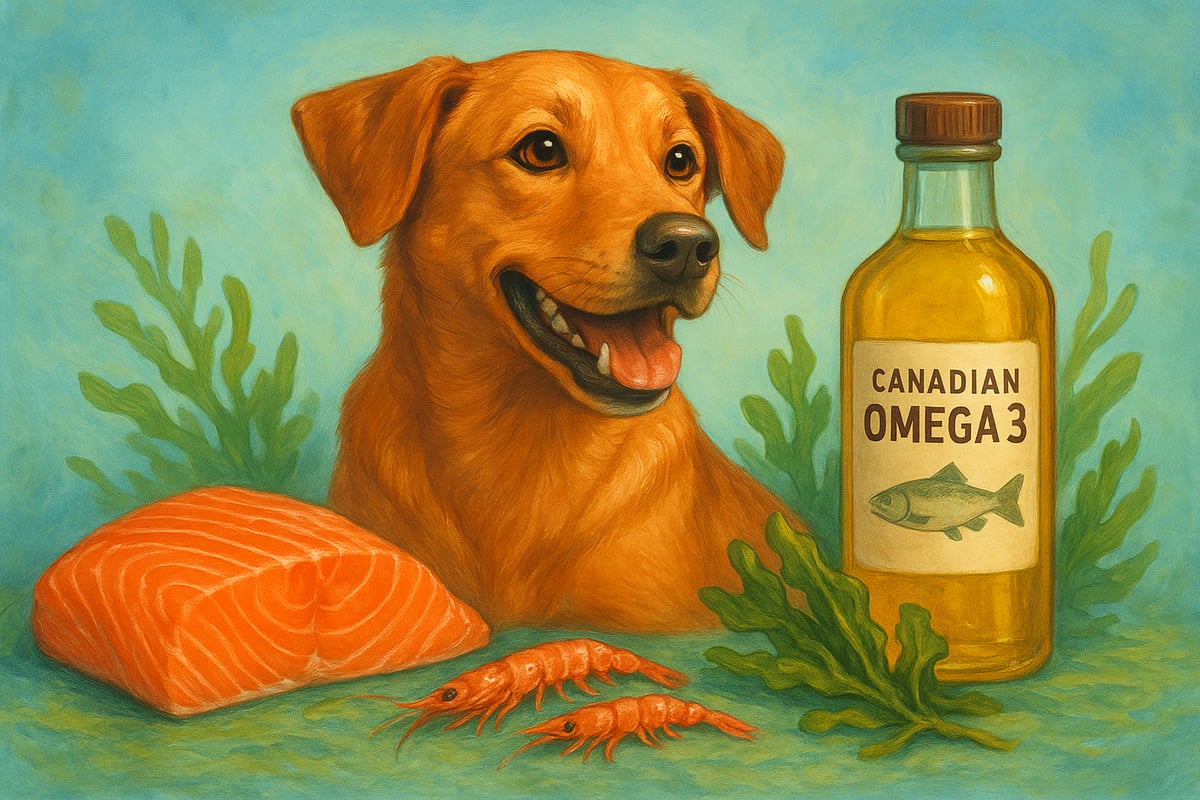
What is Omega 3 Oil?
Omega 3 oil contains three main types of fatty acids: EPA, DHA, and ALA. EPA and DHA are found in fish and marine oils, while ALA comes from plants like flaxseed and chia. These fats are vital for your dog's health.
Here’s a quick comparison:
| Fatty Acid | Main Source | Role in Dogs |
|---|---|---|
| EPA | Fish, krill | Anti-inflammation |
| DHA | Fish, algae | Brain, vision |
| ALA | Flaxseed | Energy, minor role |
Unlike Omega 6 and 9, canine omega 3 oil is less common in processed foods, making supplementation important.
Why Dogs Need Omega 3
Dogs need essential fatty acids for many reasons. Their bodies cannot efficiently produce EPA and DHA on their own, so they rely on us to provide omega 3 in their diet.
Canine omega 3 oil helps build healthy cell membranes and supports brain development. It also controls inflammation, which can reduce discomfort from allergies or joint issues. Without enough omega 3, dogs may struggle with dull coats, itchy skin, or slow learning.
Key Forms of Canine Omega 3 Oil
There are several types of canine omega 3 oil. Fish oil, like salmon oil, is popular for its high EPA and DHA content. Krill oil is another marine option, often praised for its antioxidant boost. Algal oil is plant-based and perfect for dogs with fish sensitivities.
Canadian-sourced oils include salmon and seal oil, both known for purity and sustainability. Fish oils are potent but can have a strong taste, while algal oil is odourless. Each form offers different benefits, so consider your dog's needs and preferences.
How Omega 3 Oil Works in a Dog’s Body
Once your dog eats canine omega 3 oil, it gets to work fighting inflammation. Omega 3 helps calm the immune system, making it valuable for dogs with itchy skin or stiff joints. It also supports a shiny coat, sharper thinking, and smoother movement.
For example, studies have shown that dogs with environmental allergies experience less itching and redness after regular omega 3 supplementation. The oil’s effects go beyond the surface, improving overall comfort and vitality.
Recent Research and Trends (2025)
The latest studies highlight the growing role of canine omega 3 oil in veterinary care. In 2024, the Canadian Veterinary Journal reported a 25 percent reduction in skin inflammation after omega 3 supplementation. There’s also a shift towards sustainable sourcing, with Canadian companies focusing on responsibly harvested salmon and seal oils.
New findings, such as those in the Effects of Omega-3 Supplementation on Canine Health study, show measurable improvements in dogs' quality of life and omega 3 levels. As research advances, more dog owners are choosing high-quality, eco-friendly oils.
Health Benefits of Omega 3 Oil for Dogs
Every dog owner wants their furry friend to look and feel their best. That’s why understanding the health benefits of canine omega 3 oil can make a real difference. Let’s explore how this supplement can help your dog thrive, from shiny coats to agile joints and a resilient immune system.

Skin and Coat Health
A lustrous, healthy coat is one of the first things people notice about a happy dog. Canine omega 3 oil is especially valuable for skin and coat health, helping to reduce shedding, dryness, and hot spots. Unlike Omega 6, which can sometimes contribute to inflammation, Omega 3’s anti-inflammatory properties soothe skin from within.
A 2023 Canadian study found that dogs receiving omega 3 oil developed noticeably shinier coats after just eight weeks. Owners reported less scratching and fewer bald patches, especially in breeds prone to dry skin.
| Benefit | Omega 3 Oil | Omega 6-rich Diet |
|---|---|---|
| Shedding | Reduced | May increase |
| Dryness | Improved hydration | No improvement |
| Hot spots | Less frequent | No change |
For those looking to enhance their dog’s skin and coat, Skin and Coat Health Supplements offer targeted support alongside a balanced diet.
Joint and Mobility Support
Stiff joints and reduced mobility can affect dogs of any age, but it’s especially common in seniors. Canine omega 3 oil helps ease arthritis symptoms and supports joint flexibility, making it easier for your dog to stay active and playful.
The Canadian Veterinary Association reported a 30 percent improvement in mobility scores for senior dogs supplemented with omega 3 oil in 2022. Many owners noticed their pets climbing stairs, playing fetch, and even jumping onto the sofa more confidently.
Compared to glucosamine, omega 3 oil not only lubricates joints but also tackles inflammation at the source. This means less discomfort and more freedom for your canine companion to move and enjoy life.
Cognitive and Behavioural Benefits
Did you know that the brain is rich in fatty acids like DHA, a crucial component of canine omega 3 oil? DHA supports puppy brain development and helps maintain mental sharpness in older dogs.
Regular supplementation has been shown to slow cognitive decline in seniors. In memory tests, dogs receiving omega 3 oil consistently outperformed those without supplementation. Owners often describe their pets as more alert, responsive, and eager to engage with their environment.
For puppies, omega 3 oil lays the foundation for learning, socialisation, and emotional balance, helping them grow into confident, well-adjusted adults.
Heart and Immune System Support
A strong heart and a robust immune system are essential for a long, healthy life. Canine omega 3 oil lowers triglyceride levels, supports steady heart rhythms, and helps protect against cardiovascular issues.
The Canadian Pet Health Survey in 2023 found that dogs receiving omega 3 supplements had a 15 percent lower incidence of heart problems compared to those without. Additionally, omega 3 oil strengthens the immune response, making dogs more resilient to illness and infection.
These benefits mean your dog can enjoy more active days and recover more quickly from everyday challenges.
Allergy and Inflammation Relief
Environmental and food allergies can cause persistent itching, redness, and digestive upset. Canine omega 3 oil acts as a natural anti-inflammatory, reducing allergic reactions by modulating the immune system and lowering histamine release.
A notable case study involved a Labrador retriever with chronic allergies who showed marked improvement after twelve weeks of omega 3 oil supplementation. Symptoms like itching and irritated skin diminished, and the dog’s energy levels increased.
By addressing inflammation at its root, omega 3 oil provides lasting relief for dogs struggling with allergies, helping them feel comfortable and content.
Choosing the Best Omega 3 Oil for Your Dog
Choosing the right canine omega 3 oil for your dog can feel overwhelming, but with the right knowledge, it becomes much simpler. Let’s break down what to look for so your dog gets the safest, most effective supplement possible.
Evaluating Source and Purity
When selecting a canine omega 3 oil, always consider the source and purity. Marine-based oils like salmon, sardine, and seal oil are popular for their high EPA and DHA content, while plant-based options such as flaxseed offer only ALA, which is less effective in dogs. Canadian-sourced options, like wild salmon and harp seal oil, are known for their quality and traceability.
Look for products that are third-party tested for heavy metals and contaminants. A recent analysis of fish oil supplements for dogs found that some lower-quality oils may contain impurities. Purity certifications and batch testing are essential for peace of mind.
Choosing a well-sourced canine omega 3 oil helps ensure your dog enjoys all the health benefits without unnecessary risks.
Reading Labels and Ingredient Lists
Carefully reading labels is vital when shopping for canine omega 3 oil. Check for clear information about EPA and DHA content per serving, as these are the most beneficial fatty acids for dogs. Avoid products with unnecessary additives, artificial flavours, or fillers.
Canadian labelling standards require transparency, so look for a supplement that lists exact oil sources and concentrations. For example, a quality label might read: "Wild-caught Canadian salmon oil, 500mg EPA, 350mg DHA per teaspoon."
A trustworthy canine omega 3 oil will always provide detailed ingredient information, making it easier for you to make the best choice for your pet.
Sustainability and Ethical Considerations
Sustainability matters when choosing a canine omega 3 oil. Overfishing and unsustainable practices can harm marine ecosystems. Canadian companies are leading the way in responsible harvesting, using traceable supply chains and supporting healthy fish populations.
Look for oils certified by organisations like the Marine Stewardship Council (MSC) or Friend of the Sea. These certifications show that the product comes from well-managed, ethical sources.
Choosing an eco-friendly canine omega 3 oil not only supports your dog's health but also helps protect our planet for future generations.
Comparing Canadian Omega 3 Brands
Canada offers several trusted brands of canine omega 3 oil. Leading options include North Hound Life, PureForm, and Thrive. Each brand offers unique benefits, from glass packaging to wild-caught ingredients.
Here’s a quick comparison:
| Brand | Source | Price (CAD) | Packaging | Customer Rating |
|---|---|---|---|---|
| North Hound Life | Harp Seal Oil | $50 | Glass | 4.8/5 |
| PureForm | Salmon Oil | $45 | Recyclable | 4.6/5 |
| Thrive | Sardine & Anchovy | $40 | Plastic | 4.5/5 |
Reading reviews and comparing features helps you select the canine omega 3 oil that best fits your values and your dog’s needs.
North Hound Life: Natural, Whole-Food Omega 3+ for Dogs
North Hound Life’s Omega 3+ stands out among Canadian canine omega 3 oil options. Made from Canadian harp seal oil, it is human-grade, ethically sourced, and minimally processed to retain natural nutrients.

The oil comes in glass bottles, which are both recyclable and free from harmful plastics. Customers praise its palatability and visible results, such as shinier coats and improved mobility. North Hound Life also offers a 30-day satisfaction guarantee and access to a pet nutritionist for tailored advice.
If you want a premium, eco-conscious canine omega 3 oil, North Hound Life is a top choice.
Price vs. Value: What to Expect
When evaluating the price of canine omega 3 oil, consider more than just the sticker cost. Look at price per serving, bottle size, and the quality of ingredients. Higher prices often reflect better sourcing, purity, and certifications.
For example, a $50 bottle with 100 servings costs 50 cents per dose, which is a worthwhile investment for your dog’s long-term health. Factors like third-party testing and sustainable sourcing also add value.
Investing in a quality canine omega 3 oil means better health outcomes and peace of mind, making it a smart choice for caring pet owners.
Safe Dosage, Administration, and Potential Risks
Ensuring your dog receives the right amount of canine omega 3 oil is crucial for maximising benefits while minimising risks. Safe administration starts with knowing the right dose, introducing it gradually, and understanding possible side effects. Let’s walk through each step together to help your dog thrive.
Determining the Right Dosage
Getting the dosage right for canine omega 3 oil is essential for safety and effectiveness. Dosage depends on your dog’s weight, age, and health status. Puppies, adults, and seniors may require different amounts. Start by checking the product label for guidance, or consult with your vet.
Below is a basic guideline for daily dosage:
| Dog Weight (kg) | EPA+DHA (mg/day) |
|---|---|
| 5–10 | 150–300 |
| 11–20 | 300–600 |
| 21–35 | 600–1000 |
| 36+ | 1000–1500 |
For detailed dosing instructions and safety tips, explore the Omega 3 Oil for Dogs Product Details page, which includes advice tailored to Canadian products.
How to Safely Introduce Omega 3 Oil
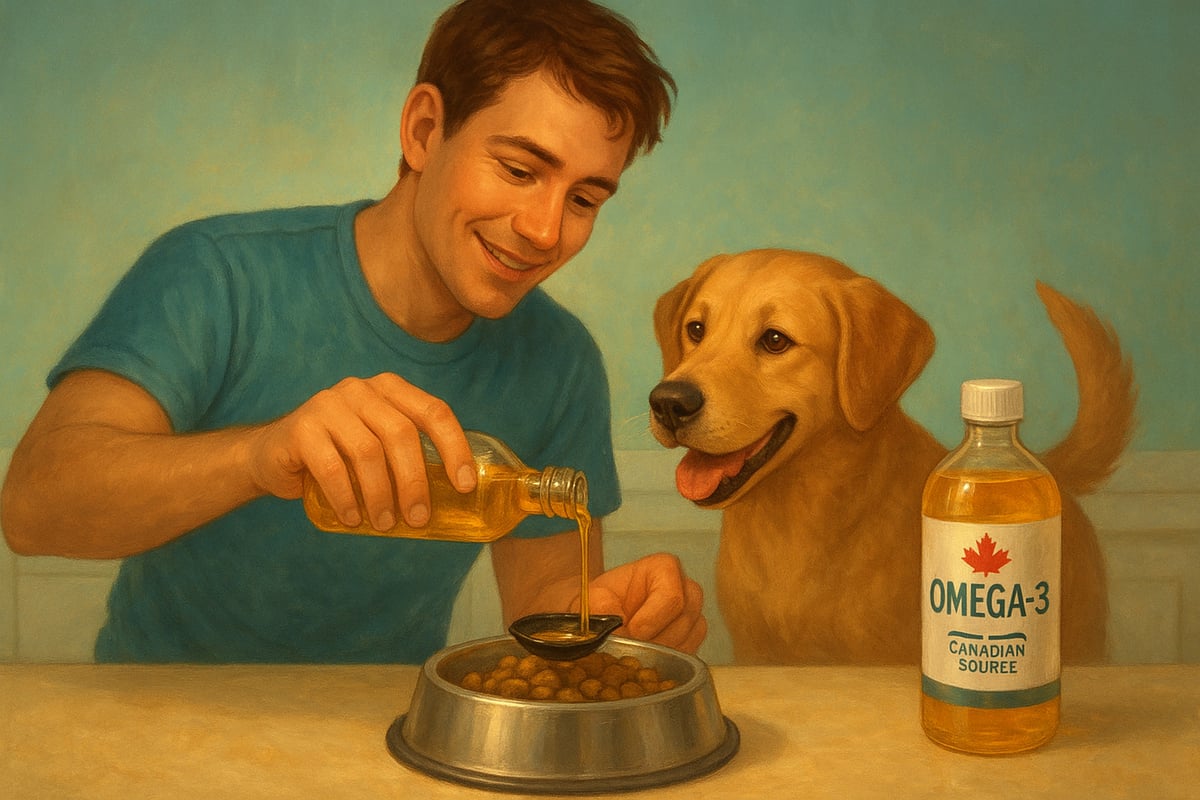
When starting canine omega 3 oil, introduce it slowly to avoid upsetting your dog’s stomach. Begin with a quarter of the recommended dose for the first few days. Gradually increase to the full dose over a week.
Steps to introduce omega 3 oil safely:
- Mix a small amount into your dog’s regular food.
- Observe your dog for any changes in appetite or stool.
- Increase the dose every two days, monitoring tolerance.
- Keep fresh water available at all times.
Positive responses, like a shinier coat or more energy, may appear after a few weeks. If you notice any digestive issues, reduce the dose and try again more slowly.
Possible Side Effects and How to Avoid Them
Most dogs tolerate canine omega 3 oil well, but some may experience mild side effects. Common issues include soft stools, temporary digestive upset, or a fishy odour on the breath.
Tips to avoid side effects:
- Stick to recommended dosages.
- Choose high-purity, Canadian-sourced oils.
- Store oil in a cool, dark place to prevent spoilage.
If your dog shows signs of an allergic reaction, such as itching or swelling, stop the supplement and consult your vet. Rarely, excessive doses may affect blood clotting, so careful measurement is key.
Interactions with Medications and Conditions
Canine omega 3 oil is generally safe, but it can interact with certain medications, especially blood thinners. Dogs with chronic illnesses, such as liver or kidney disease, may need adjusted doses or additional monitoring.
Before starting supplementation:
- Inform your vet about any medications your dog is taking.
- Discuss any ongoing health conditions.
- Ask about routine bloodwork to ensure safety.
Veterinarians can help you create a balanced plan, especially if your dog has special health considerations.
Veterinary Guidance and Monitoring
Regular veterinary check-ups play a vital role when adding canine omega 3 oil to your dog’s routine. Your vet can monitor for improvements in skin, coat, joints, and overall wellbeing.
Annual bloodwork can help track lipid levels and detect any rare side effects early. Vets may adjust the dose or recommend alternative products based on your dog’s response. Partnering with your veterinarian ensures your dog gets the full benefits of omega 3 oil, safely and effectively.
Integrating Omega 3 Oil into Your Dog’s Daily Routine
Bringing canine omega 3 oil into your dog's daily life can feel like a simple act of love, but it comes with a few practical considerations. With the right approach, you can make this healthy habit enjoyable for both you and your dog. Let’s explore the easiest ways to mix, schedule, monitor, and combine omega 3 oil so your dog gets the most out of every drop.
Mixing Methods and Palatability Tips
Making canine omega 3 oil a tasty part of your dog’s meals is easier than you might think. Most dogs enjoy the natural flavour, but if yours is picky, try these ideas:
- Drizzle the oil over dry kibble, stirring well so it coats every piece.
- Blend it into raw or home-cooked food, mixing thoroughly for even distribution.
- For fussy eaters, combine the oil with a favourite treat, like plain cooked chicken or mashed sweet potato.
If your dog is wary at first, start with a smaller amount and gradually increase to the full recommended dose. This gentle introduction helps prevent digestive upset and allows your dog to develop a taste for their new supplement. Consistency is key, so add canine omega 3 oil at the same meal each day for best results.
Creating a Supplement Schedule
Establishing a routine ensures your dog never misses a dose of canine omega 3 oil. Here’s how you can keep things organised:
- Choose a consistent time each day, like breakfast or dinner.
- Mark a supplement calendar, or use a reminder app to track each serving.
- Monitor your supply so you never run out unexpectedly.
Some owners find it helpful to prepare a weekly supplement plan, especially if they give other vitamins or medications. Regularity helps your dog’s body adjust, making the benefits of canine omega 3 oil more noticeable over time. If your schedule changes, just shift the supplement to the next most convenient meal.
Monitoring Results and Adjustments
As you integrate canine omega 3 oil, keep an eye out for positive changes. Signs of improvement may include:
- Shinier, softer coat and less shedding
- Better mobility and energy, especially in older dogs
- Reduced itching or allergy symptoms
Keep a simple health journal or use your phone to note changes. If you don’t see results after 8 weeks, consider adjusting the dosage or consulting your vet. Every dog is unique, so regular monitoring helps you fine-tune the routine for your pet’s needs. Remember, patience pays off when building lifelong wellness habits.
Combining Omega 3 with Other Supplements
Canine omega 3 oil works well alongside many other supplements, supporting a holistic approach to health. Safe combinations include probiotics for digestion, multivitamins for overall wellness, and joint support supplements. If your dog has joint concerns, explore Joint Health Support for Dogs for Canadian-made bundles designed to complement omega 3 benefits.
Avoid giving too many supplements at once, and always check with your vet before starting a new regimen. By choosing quality Canadian products and monitoring your dog’s response, you’ll build a routine that supports every stage of your companion’s life.
Frequently Asked Questions About Canine Omega 3 Oil
Curious about canine omega 3 oil and how it fits into your dog’s wellness plan? Here, we answer the most common questions dog owners have, helping you make informed, confident decisions for your beloved companion. Let’s tackle the facts together.
Can All Dogs Take Omega 3 Oil?
Most dogs can benefit from canine omega 3 oil, but certain factors should be considered. Puppies, seniors, pregnant or lactating dogs, and those with specific health conditions may need tailored dosages. Always consult your veterinarian before starting any supplement, especially if your dog is on medication or has a chronic illness. For some breeds, extra care might be needed due to unique dietary sensitivities. Ensuring the right form and dosage means every dog, regardless of age or breed, can safely enjoy the advantages of canine omega 3 oil.
How Long Until I See Results?
Dog owners often wonder how quickly canine omega 3 oil will make a difference. Most see noticeable improvements in skin, coat, and joint health within four to eight weeks. Changes like reduced itching, shinier fur, or better mobility can appear gradually as the body absorbs the essential fatty acids. Keep a simple journal noting your dog’s condition each week. This helps you track progress and ensures your canine omega 3 oil supplement is making a real impact.
Is Omega 3 Oil Safe for Long-Term Use?
Research supports the long-term safety of canine omega 3 oil when given at the recommended dose. Regular supplementation can promote ongoing joint, skin, and cognitive health. Monitoring for rare side effects, such as digestive upset, is wise. Discuss any concerns with your vet, especially if your dog has pre-existing conditions or is on other medications. For those interested in joint support, clinical trials on Omega-3 Fatty Acids in Canine Osteoarthritis highlight ongoing benefits for mobility and comfort.
Can I Use Human Omega 3 Oils for My Dog?
While tempting, it’s best not to use human omega 3 oils instead of canine omega 3 oil. Human supplements may contain added flavourings, preservatives, or dosages unsuitable for dogs. There’s also a risk of contaminants or heavy metals. For safe and effective results, choose products specifically made for dogs. To explore the differences between various oil sources, see this Comparison of Omega-3 Sources in Dogs for more details on what works best for canine needs.
What If My Dog Refuses Omega 3 Oil?
If your dog turns their nose up at canine omega 3 oil, don’t worry. Try mixing the oil with their favourite food or opt for Canadian-made capsules, chews, or flavoured options. Some dogs need a gradual introduction, starting with a small amount and increasing slowly. Positive reinforcement and patience can make a big difference. If one product isn’t working, explore alternative forms to ensure your dog still reaps the rewards of canine omega 3 oil.
Now that you’ve got a clearer picture of how Omega 3 oil can transform your dog’s coat, joints, and overall wellbeing, it’s totally normal to wonder what’s best for your own furry friend. Every dog is unique, and finding the right natural supplement can feel overwhelming with so many choices out there. That’s where we can help! If you’d like a bit of guidance tailored to your dog’s age, needs, and lifestyle, try our Supplement Finder For Your Dog. Together, we can make sure you’re giving your best mate exactly what they need to thrive.
