


Choosing the best food for your dog in 2025 is more complex and crucial than ever, as new research and innovative products reshape how we care for our furry friends. This essential guide will help you confidently navigate the best food for your dog, using the latest science to support their health and happiness.
We’ll break down everything you need to know, from understanding canine nutrition and decoding food labels, to matching diets for each life stage and breed. Explore the newest trends, discover top Canadian brands, and get practical feeding tips so you can make informed choices for your dog’s unique needs.
Let’s take the guesswork out of feeding and set your dog up for a healthy, vibrant future.
Understanding Canine Nutrition: What Dogs Really Need in 2025
Choosing the best food for your dog means understanding what truly fuels their health and happiness. In 2025, pet nutrition is driven by science, not just marketing, and it’s never been more important to know what your dog genuinely needs. Let’s explore what makes up a healthy canine diet and how you can use this knowledge to choose the best food for your dog, no matter their age or lifestyle.
The Core Nutrients Every Dog Requires
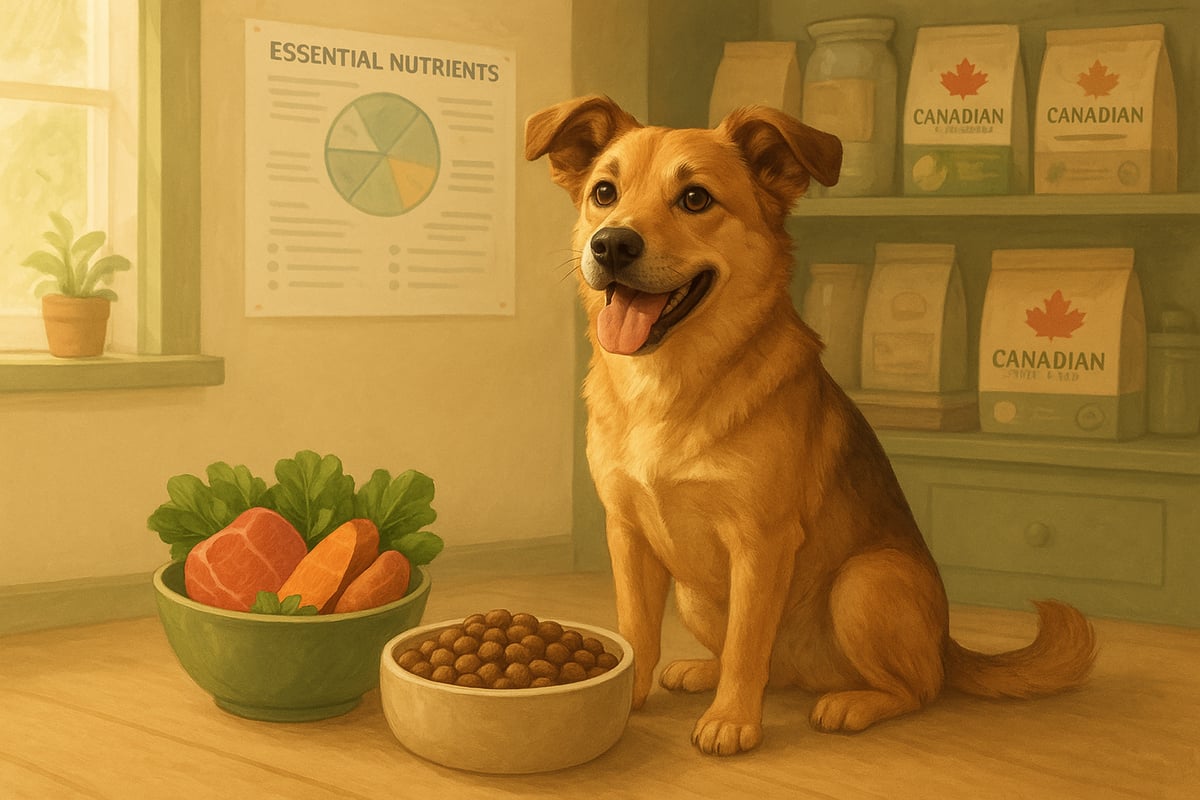
Every dog relies on a precise mix of nutrients to thrive. The best food for your dog is built on high-quality proteins, healthy fats, digestible carbohydrates, essential vitamins, minerals, and water. Proteins, such as chicken or salmon, are the foundation for muscle repair and immune health. Fats provide energy and keep your dog’s coat glossy, with omega 3 and omega 6 fatty acids supporting skin and brain function.
Carbohydrates from sources like sweet potato or brown rice add fibre and energy, but must be easy for your dog to digest. Vitamins A, D, E, and the B complex are crucial for vision, metabolism, and nerve health, while minerals like calcium and phosphorus ensure strong bones and teeth. Never overlook water, as it’s vital for every metabolic process, regardless of breed or age.
Dogs on balanced diets often have shinier coats, brighter eyes, and more energy. The best food for your dog will always list named meats first, use whole-food ingredients, and avoid fillers. Here’s a quick summary:
| Nutrient | Role in Health | Top Sources |
|---|---|---|
| Protein | Muscle, tissue repair, immunity | Chicken, salmon |
| Fat | Energy, skin, coat | Fish oil, flaxseed |
| Carbohydrate | Energy, digestion | Sweet potato, rice |
| Vitamins | Vision, nerves, metabolism | Liver, vegetables |
| Minerals | Bones, teeth, nerve function | Bone meal, greens |
| Water | Hydration, all body functions | Fresh clean water |
How Nutritional Needs Change with Age and Lifestyle
Your dog’s nutritional needs are not static. The best food for your dog will change as they move from puppyhood through adulthood and into their senior years. Puppies need higher protein, more calories, and extra calcium for growth. Large breed puppies, for example, require carefully controlled calcium to prevent bone problems.
As dogs mature, their calorie needs stabilise. Adult dogs’ diets must reflect their activity level and breed size. Small breeds often need more calories per kilogram than you might guess, while large breeds require portion control to avoid weight gain. Did you know over 40% of pets are overweight? This makes monitoring portion size and calorie density essential for the best food for your dog.
Senior dogs need fewer calories but higher-quality protein, plus nutrients like glucosamine for joint health. Working or sporting breeds demand extra fat and protein, while couch potatoes need lighter meals. Adjusting food as your dog ages or their lifestyle changes is key to long-term wellness. For a deeper look at how factors like breed, age, and even sex can influence nutritional needs, see Physiological Indicators of Welfare for Dogs.
The Science Behind “Complete and Balanced” Diets
When searching for the best food for your dog, always look for “complete and balanced” on the packaging. This means the food meets strict standards set by organisations like FEDIAF and AAFCO, ensuring your dog gets everything they need in every bite. Complementary foods may be tasty but aren’t suitable for daily meals as they lack essential nutrients.
Feeding unbalanced diets can lead to deficiencies or excesses, affecting your dog’s health. It’s important to read labels and choose products that clearly state they meet these standards. Watch out for vague ingredient lists, and avoid foods with artificial additives or unnamed meat sources.
To spot truly balanced options, check for:
- “Complete and balanced” claims referencing FEDIAF or AAFCO
- Transparent ingredient lists with named meats and clear sources
- Feeding guidelines that match your dog’s weight and age
By focusing on these scientific standards, you’ll ensure the best food for your dog is not just tasty but truly supports their health and longevity.
Decoding Dog Food Labels: Ingredients, Claims, and What Matters Most
Choosing the best food for your dog means looking beyond flashy packaging. Dog food labels can seem confusing, but once you know what to look for, you’ll feel empowered to make confident decisions for your furry friend. Let’s break down the essentials so you’ll know exactly what matters most.
Reading and Interpreting Ingredient Lists
The ingredient list is your first clue when searching for the best food for your dog. Ingredients are listed by weight, so those at the top make up most of the food. Look for specific, named meats like chicken or salmon, which signal higher quality than vague terms like “meat and animal derivatives”.
Watch for phrases like “with X% chicken” – this means only a small percentage is chicken, while “flavoured with chicken” may contain barely any at all. Opt for foods with recognisable ingredients and natural preservatives such as tocopherols, rather than artificial additives.
Avoid dangerous ingredients, including:
- Xylitol
- Onion or garlic
- Grapes or chocolate
Choosing thoughtfully helps ensure the best food for your dog supports their health and happiness.
Nutritional Analysis and Feeding Guidelines
Every label includes a nutritional analysis, showing protein, fat, fibre, and moisture percentages. For the best food for your dog, check that protein content comes from animal sources and that fat levels suit your dog’s breed and lifestyle.
Feeding guides are helpful, but they’re just a starting point. Regularly monitor your dog’s weight and adjust portions as needed. For example, small breeds often need fewer calories than owners expect, so using the guide alongside monthly weigh-ins will help you stay on track.
Remember, the best food for your dog should match their daily needs, not just generic recommendations. Balance and careful observation are key.
Marketing Buzzwords vs. Real Quality
Labels are full of buzzwords like “grain-free”, “natural”, “holistic”, or “vet-recommended”. While these can sound appealing, they don’t always mean high quality. To find the best food for your dog, look past the marketing.
For instance:
- “Grain-free” is only necessary for a few dogs with true cereal allergies.
- “Natural” and “holistic” are not regulated terms.
- “Vet-recommended” may simply mean a brand is popular in clinics, not that it’s best for every dog.
Focus on the ingredient list and nutritional analysis, rather than the front of the bag. Real quality is found in the details.
The Role of Canadian Labelling Standards
Canadian pet food regulations help protect pets and guide consumers. When seeking the best food for your dog, check that the brand meets Canadian or international standards, such as FEDIAF or AAFCO.
Canadian standards require accurate ingredient listing and nutritional adequacy statements. Domestic products are often subject to additional transparency and quality checks compared to some imports. For a deeper dive into what shapes Canadian dog food labels and trends, see Trends Shaping the Canadian Pet Food Market.
By understanding these standards, you can confidently choose the best food for your dog, knowing it meets rigorous requirements for safety and nutrition.
Matching Food to Your Dog’s Life Stage, Breed, and Health
Feeding the best food for your dog means tailoring nutrition to their age, breed, and unique health needs. No two dogs are the same, so understanding what your companion requires at every stage of life is key. Let’s break down how to make the best choices for your pup, adult dog, or senior friend.

Puppy Nutrition: Building Blocks for a Healthy Life
Getting the best food for your dog starts early. Puppies need more energy, protein, and calcium to support their rapid growth. Large-breed puppies, like Labradors or Great Danes, benefit from formulas with controlled calcium to help prevent joint and bone issues.
Choose a Canadian-made puppy food that lists high-quality animal protein as the first ingredient. Feeding frequency matters: offer three or four small meals daily until about six months old, then gradually transition to twice-daily feedings.
Breed-specific puppy formulas can make a big difference, especially for large or small breeds. For tailored advice and nutrition products, see these puppy nutrition essentials. Transition your puppy to adult food by 12 to 14 months, watching for steady growth and a shiny coat as signs of good nutrition.
Adult Dog Nutrition: Maintenance, Energy, and Prevention
When your dog reaches adulthood, nutrition is about maintaining energy and preventing health issues. The best food for your dog should match their activity level and breed size. Working breeds, like Border Collies, may need more protein and fat, while companion dogs often require fewer calories.
A balanced adult formula from a trusted Canadian brand ensures the right ratio of protein, fat, and carbohydrates. Portion control is crucial, as over 40 percent of pets in Canada are overweight. Use a measuring cup and adjust the amount based on your dog’s weight and activity.
Monitor your dog’s body condition monthly. If you notice weight gain or loss, adjust portions or try a different formula. Remember, the best food for your dog might change as their lifestyle shifts.
Senior Dog Nutrition: Supporting Longevity and Comfort
As dogs age, their nutritional requirements shift. The best food for your dog in their senior years should offer high-quality protein, fewer calories, and added nutrients for joint support, such as omega-3 fatty acids and glucosamine.
Older dogs often experience changes in appetite, weight, or dental health. Choose foods with smaller kibble or softer textures if chewing becomes difficult. For those with kidney or liver concerns, look for specialised senior diets with tailored nutrient profiles.
If you need more guidance, explore senior dog nutrition support for options to keep your older companion feeling their best. Regular vet check-ups help you adjust your dog’s diet as their needs evolve.
Special Considerations for Breed and Lifestyle
Every breed and lifestyle brings its own set of nutritional challenges. Brachycephalic breeds, such as Bulldogs, often need smaller, uniquely shaped kibble for easier eating. The best food for your dog should also reflect whether they’re a couch potato or an athlete.
High-energy breeds, like Huskies, burn more calories and may need extra fat and protein. In contrast, low-energy breeds benefit from formulas with lower calorie density. Working and sporting dogs, including herding breeds, require more frequent meals and nutrient-dense food to fuel their activity.
Always consider your dog’s daily routine and breed-specific traits when choosing their food. This ensures they get the right balance of nutrients for a healthy, happy life.
Addressing Allergies, Sensitivities, and Medical Needs
Sometimes, even the best food for your dog needs a tweak if health issues arise. Common signs your dog might need a special diet include itching, recurring ear infections, diarrhoea, or unexplained weight changes.
If you suspect a food allergy or sensitivity, your vet may recommend an elimination diet or a formula with hydrolysed proteins. Prescription diets from Canadian brands are available for conditions like kidney disease, urinary issues, or diabetes.
Always consult your vet before making significant dietary changes. With the right approach, you can confidently provide the best food for your dog, no matter what health challenges they face.
Navigating the Latest Diet Trends: Grain-Free, Raw, and Beyond
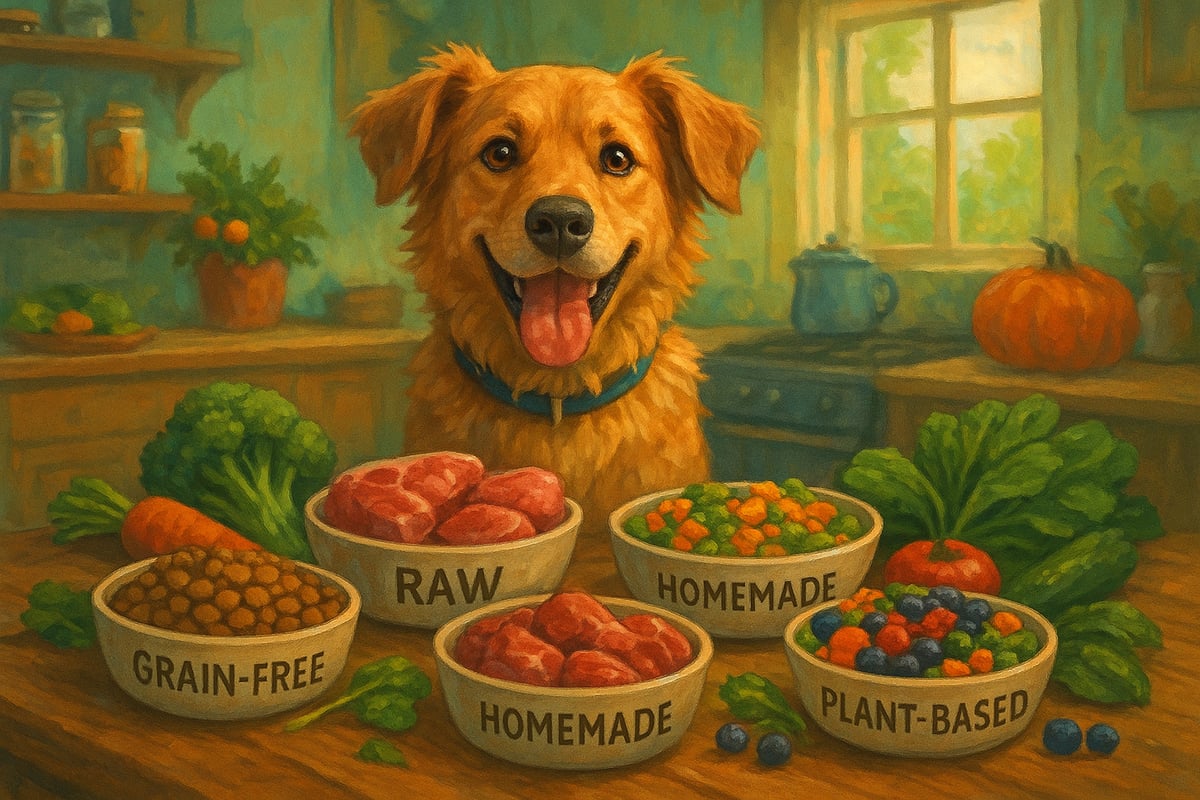
Choosing the best food for your dog can feel overwhelming as new diet trends pop up each year. In 2025, Canadian pet owners are seeing grain-free, raw, plant-based, and “holistic” diets everywhere. How do we decide what’s genuinely healthy and what’s just hype? Let’s take a closer look at these popular approaches to help you make confident, evidence-based choices for your dog’s bowl.
Grain-Free Diets: Who Benefits and Who Doesn’t?
Grain-free diets have become a buzzword in the quest for the best food for your dog, promising relief from allergies and improved energy. These foods swap grains like wheat and corn for peas, lentils, or sweet potatoes. For some dogs with diagnosed cereal allergies, a grain-free formula may indeed bring comfort and better digestion.
However, the majority of dogs do not need to avoid grains, and whole grains are often a great source of fibre and nutrients. In recent years, scientists have found a potential link between some grain-free diets and a heart condition called canine dilated cardiomyopathy (DCM). While research is ongoing, it’s important to consult your vet before switching to grain-free, especially if your dog is not showing clear signs of grain intolerance.
Table: Pros and Cons of Grain-Free Diets
| Pros | Cons |
|---|---|
| Suitable for true grain allergies | Possible link to heart issues (DCM) |
| May reduce digestive upset | Often higher in calories and cost |
| More variety in protein sources | Not necessary for most dogs |
Remember, the best food for your dog should be based on their individual health needs, not trends.
Raw and Homemade Diets: Pros, Cons, and Risks
Raw feeding and homemade diets are often promoted as the best food for your dog, with claims of shinier coats and more natural nutrition. Raw diets typically feature uncooked meats, bones, and some vegetables. While some owners report visible benefits, the risks can be significant. Harmful bacteria like Salmonella and E. coli can lurk in raw meat, posing dangers for both dogs and humans in your household.
Homemade diets can be appealing for control over ingredients, but creating a truly balanced meal plan is challenging. Many home-prepared diets lack essential vitamins and minerals, leading to deficiencies over time. Consulting a veterinary nutritionist is crucial if you’re considering this route. To enhance nutritional value, some owners incorporate Canadian superfood options for dogs, which can help bridge gaps in homemade or raw diets.
Case Study: Dogs fed unbalanced homemade meals have shown issues like poor coat quality and low energy. Safety and balance must always come first when considering alternatives to commercial foods.
Plant-Based and Vegetarian Diets for Dogs
Interest in plant-based living is growing, and some pet owners are exploring vegetarian options as the best food for your dog. Plant-based diets for dogs can be formulated, but they require careful planning to meet protein and nutrient needs. While certain plant proteins can be digested by dogs, ingredients like taurine, L-carnitine, and vitamin B12 are much harder to obtain from non-animal sources.
There are also breed differences to consider. Some breeds may tolerate plant-based diets better than others, but the risks of nutritional imbalances are real, especially for puppies, seniors, and working dogs. Importantly, plant-based diets are never suitable for cats, who have stricter dietary requirements.
If you’re passionate about exploring plant-based options, always consult your vet and request a tailored plan. For most dogs, the best food for your dog is still a balanced diet with high-quality animal protein.
Fad Diets and Misconceptions
Navigating the world of “holistic,” “ancestral,” and “natural” diets can be confusing. These buzzwords often appear on packaging, but they do not guarantee the best food for your dog. Instead, focus on evidence-based nutrition, looking for foods that meet FEDIAF or AAFCO standards.
When evaluating new diets, ask yourself: Is there peer-reviewed research behind these claims? Are the ingredient lists transparent and complete? Remember, the best food for your dog should address their age, breed, activity level, and health concerns, not just follow a trend.
Always rely on science and your vet’s expertise rather than marketing promises. By prioritising balanced nutrition and regular health monitoring, you’ll help your dog thrive in 2025 and beyond.
The Best Canadian Dog Food Brands for 2025
Finding the best food for your dog in Canada is about more than just picking a popular brand. Canadian pet owners are lucky to have a range of trusted companies that prioritise quality, transparency, and nutrition. As we step into 2025, being informed about local options ensures your dog gets the very best food for your dog’s unique needs.
Criteria for Selecting Top Brands
When searching for the best food for your dog, it pays to know what sets top Canadian brands apart. Look for companies that:
- Use high-quality, named ingredients (like chicken, salmon, or lentils)
- Source ingredients ethically within Canada whenever possible
- Meet or exceed both Canadian and international nutritional standards
- Are transparent about their manufacturing practices
- Receive positive reviews from pet owners and veterinary professionals
These criteria ensure the best food for your dog is safe, nutritious, and tailored to your pet’s needs. Brands that meet these standards are more likely to produce consistent, high-quality products your dog will thrive on.
Leading Canadian Brands to Consider
Canada is home to several leading dog food brands that stand out for quality and innovation. Some of the top names include:
| Brand | Key Features | Price Range (CAD) |
|---|---|---|
| Acana | Regionally sourced meats, grain-inclusive options | $70–$110 per 11.4kg bag |
| Orijen | Whole-prey ingredients, high protein, low carb | $100–$140 per 11.4kg bag |
| GO! Solutions | Specialised formulas for sensitivities | $65–$120 per 10kg bag |
| Now Fresh | Fresh meats, no by-products or artificial additives | $75–$130 per 10kg bag |
| FirstMate | Single-protein, limited ingredient recipes | $55–$100 per 11.4kg bag |
These brands have earned their place among the best food for your dog by placing a strong emphasis on ingredient quality and nutrition. If you’re curious about their market presence, check out the Top Canadian Pet Food Companies' Revenues in 2023 for further insights.
Comparing Product Types: Dry, Wet, Fresh, and Freeze-Dried
Choosing the best food for your dog also means considering the type that fits their preferences and health requirements. Here’s how the main options stack up:
| Type | Pros | Cons | Typical Price (CAD) |
|---|---|---|---|
| Dry (Kibble) | Convenient, affordable, dental benefits | Less moisture, some picky eaters | $55–$140 per 10–12kg |
| Wet (Canned) | High moisture, palatable | More expensive, less shelf-stable | $3–$5 per 400g can |
| Fresh | Minimal processing, highly digestible | Requires refrigeration, pricier | $8–$14 per meal |
| Freeze-Dried | Retains nutrients, lightweight | Expensive, needs rehydration | $30–$80 per 1kg bag |
Each type can be the best food for your dog depending on their age, breed, and health. For example, freeze-dried and fresh options are great for dogs with sensitive stomachs, while kibble works well for most healthy adults.
How to Choose Among Top Brands
Selecting the best food for your dog isn’t just about brand names or price. Think about your dog’s age, breed size, activity level, and any health concerns. Start with a small bag or a trial pack to see how your dog responds. Watch for changes in energy, coat quality, and digestion.
Transition to new food gradually over 7–10 days. If you notice any issues, consult your vet for guidance. Remember, the best food for your dog is the one that keeps them healthy, happy, and thriving.
Where to Buy: Canadian Retailers and Online Options
You can find the best food for your dog at local pet supply stores like Global Pet Foods, Ren’s Pets, and Pet Valu. Many Canadian brands are also available directly from their websites or trusted online retailers such as Homes Alive Pets and Amazon Canada.
When shopping online, look for authorised sellers to guarantee authenticity. Signing up for loyalty programmes or newsletters can help you snag discounts on the best food for your dog and keep your pup’s diet affordable.
Practical Feeding Advice: Transitioning, Portioning, and Monitoring Health
Helping your dog thrive starts with practical, everyday steps. From introducing new foods to fine-tuning portions and keeping an eye on health, we’re here to make sure you feel confident in choosing the best food for your dog throughout every stage of life.
How to Safely Transition Your Dog to a New Food
Switching to the best food for your dog should be a gentle process. Sudden changes can upset sensitive stomachs, so a gradual transition is key. Start by mixing 25% of the new food with 75% of the old for two days, then shift to a 50/50 mix for another two days. After this, move to 75% new and 25% old for two more days, before finally serving only the new food.
During this time, watch for signs of discomfort such as vomiting or loose stools. If issues arise, slow the transition. This approach helps your dog’s digestive system adapt, ensuring the best food for your dog supports their health from the very first bowl.
Determining the Right Portion Size
Portion size plays a huge role in your dog’s wellbeing. Even the best food for your dog can lead to unwanted weight gain if served in excess. Start with the feeding guide on your chosen product, but remember, these are just starting points.
Monitor your dog’s weight and body shape monthly. Use your hands to feel their ribs and check for a visible waistline. Adjust portions if you notice weight changes or shifts in activity level. A body condition scoring chart can be a handy tool for keeping your dog in top form with the best food for your dog every day.
Recognising Signs of Food Intolerance or Allergy
Itching, ear infections, diarrhoea, or vomiting can signal that the best food for your dog might need tweaking. Some dogs develop sensitivities to specific proteins or grains, so pay attention to these changes. For ongoing issues, consult your vet about elimination diets or specialist foods.
Supporting digestive health can also make a difference. Canadian options like digestive health supplements for dogs can help soothe sensitive stomachs and improve nutrient absorption. By staying alert to intolerance signs, you’ll keep the best food for your dog working its magic.
The Importance of Regular Health Checks
Annual check-ups are a must, even if your dog seems healthy and is thriving on the best food for your dog. Vets can spot subtle signs of illness, weight changes, or nutritional deficiencies that might go unnoticed at home.
For senior dogs or those with ongoing health issues, ask your vet about bloodwork to monitor organ function. Regular reviews of your dog’s diet and health mean you can adjust early and keep your dog feeling their best with the best food for your dog tailored to their needs.
Managing Treats, Supplements, and Table Scraps
Treats are a wonderful way to bond, but they should only make up 10% of your dog’s daily calories—even when you’re feeding the best food for your dog. Choose healthy Canadian-made treats and avoid anything with xylitol, chocolate, onions, or grapes.
Supplements can support joint or digestive health, but always consult your vet before adding new products. Table scraps are tempting, yet can unbalance nutrition or lead to weight gain. Sticking to safe, healthy extras will help the best food for your dog do its job.
Adapting Diet as Your Dog Ages or Health Changes
Life brings changes, and so should your dog’s diet. If you notice weight gain, decreased energy, or a new diagnosis, it may be time to reconsider the best food for your dog. Regularly reassess your dog’s needs with your vet, especially as they move from puppy to adult to senior stages.
Adjusting food type, portion, or adding supportive nutrients can make a big difference in quality of life. By staying proactive, you’ll ensure the best food for your dog continues to match their evolving needs and keeps them happy for years to come.
Frequently Asked Questions: Best Food for Your Dog in 2025
Choosing the best food for your dog can feel overwhelming, especially with so many options and opinions. We’ve gathered the most common questions from Canadian pet owners to help you navigate the choices with confidence and keep your furry friend healthy and happy.
How do I choose the best food for your dog’s specific breed and age?
Start by considering your dog's life stage (puppy, adult, or senior), breed size, and activity level. Puppies and large breeds often need special formulas to support growth and joint health. Small breeds may require smaller kibble or calorie-dense food. Always look for clear labelling and Canadian brands that provide life-stage guidance. Matching these factors helps you find the best food for your dog.
What should I feed a puppy, adult, or senior dog?
Puppies thrive on food rich in protein, fat, and calcium for healthy growth. Adults need a balanced diet tailored to their size and exercise habits, while seniors benefit from lower-calorie, joint-supporting foods. Switching to a formula designed for your dog’s age ensures they get the best food for your dog at every stage of life.
When does my dog need a prescription or specialist diet?
If your dog has a medical condition like kidney disease, diabetes, or severe allergies, your vet may recommend a prescription diet. Signs you might need specialist food include chronic itching, digestive problems, or unexplained weight changes. Only use prescription diets under veterinary guidance to ensure your dog gets the best food for your dog’s unique needs.
Are trendy diets like grain-free, raw, or homemade safe for my dog?
Trendy diets can be tempting, but not all are suitable for every dog. Grain-free diets mainly help with diagnosed cereal allergies, and raw or homemade meals must be carefully balanced to avoid nutritional gaps. Before switching, always consult your vet to make sure you’re providing the best food for your dog based on science, not just trends.
How do I switch my dog’s food without causing stomach upset?
Transition gradually over 7 to 10 days. Start by mixing a small amount of the new food with the old, then slowly increase the new food’s proportion. This gentle approach helps your dog adjust and reduces the risk of digestive upset, making the process of finding the best food for your dog smooth and stress-free.
Which Canadian dog food brands are recommended by vets?
Many vets suggest brands like Acana, Orijen, GO! Solutions, Now Fresh, and FirstMate, as they use high-quality ingredients and meet strict nutritional standards. Recent Canadian Pet Care Research shows Canadian pet owners value health benefits and transparency, making these locally-produced options a popular choice for the best food for your dog.
What are the signs my dog’s current food isn’t right for them?
Watch for symptoms like frequent itching, ear infections, diarrhoea, vomiting, dull coat, or sudden weight changes. These could mean your dog needs a different diet or has developed a sensitivity. If you notice these signs, consult your vet to discuss the best food for your dog.
How often should I review or update my dog’s diet?
It’s wise to review your dog’s diet every year, or whenever you notice changes in weight, energy, or health. Life-stage changes (like moving from puppy to adult) or new diagnoses may mean it’s time for a diet update. This habit helps ensure your pet always enjoys the best food for your dog.
What supplements may be beneficial for my dog’s health?
Most complete and balanced diets provide all necessary nutrients. However, some dogs benefit from joint supplements (like glucosamine), omega-3s for coat health, or probiotics for digestion. Ask your vet before adding anything new to your dog’s regimen, so you maintain the best food for your dog’s needs.
Is it safe to feed my dog human food or table scraps?
Some human foods, like lean meats or cooked vegetables, can be safe in moderation. However, many common foods (such as onions, chocolate, and grapes) are toxic to dogs. Table scraps can unbalance your dog’s diet and cause weight gain. Stick to treats formulated for dogs as part of the best food for your dog.
Where can I find more resources or get tailored nutrition advice in Canada?
Your veterinarian is the best resource for personalised nutrition guidance. You can also consult reputable Canadian pet food companies, pet nutritionists, or local pet supply stores. Staying informed helps you confidently choose the best food for your dog at every stage of life.
After learning all about the latest nutrition trends and how to pick the right food for your pup, it’s totally normal to feel a bit overwhelmed by all the options out there. We all want to do our best for our dogs, and sometimes it’s those little extras—like natural whole-food supplements—that really make a difference. If you’re wondering what could help your dog thrive at any age or stage, why not take the guesswork out of it? Try our Supplement Finder For Your Dog to discover tailored recommendations that match your dog’s unique needs. We’re in this together!
