

You know your dog deserves the best, but what does that really mean in practice? Total pet wellness isn't just about annual vet checkups or feeding the right kibble. It's a holistic approach that weaves together nutrition, preventive care, mental enrichment and emotional balance into your dog's daily life. I've spent years watching dog parents juggle all these pieces, and I understand how overwhelming it can feel to get everything right. The good news? Total pet wellness doesn't require perfection. It requires consistency, attention and a willingness to see your dog as a whole being with interconnected needs.
Understanding Total Pet Wellness
Total pet wellness is the practice of caring for every dimension of your dog's health simultaneously, rather than treating issues in isolation. When you focus on wellness as a complete picture, you're looking at physical health, mental stimulation, emotional security, nutritional quality and preventive care as parts of one system.
This approach recognises that a dog with gorgeous skin but chronic anxiety isn't truly well. Similarly, a physically fit dog eating poor-quality food is missing a foundational piece. Each element supports the others.
The Five Pillars of Complete Canine Wellness
Breaking down total pet wellness into manageable categories makes it easier to assess where your dog thrives and where they might need support.
Physical Health encompasses everything from joint mobility and cardiovascular function to dental care and body condition. Regular veterinary examinations, appropriate exercise and body-weight management all fall here.
Nutritional Quality means feeding whole-food ingredients, appropriate protein levels and essential fatty acids whilst avoiding unnecessary fillers, synthetic additives or ingredients your individual dog can't tolerate.
Mental Enrichment includes puzzle toys, scent work, training sessions and novel experiences that challenge your dog's brain and prevent boredom.
Emotional Balance covers stress management, secure attachment, appropriate socialisation and creating an environment where your dog feels safe and understood.
Preventive Care involves vaccinations, parasite control, dental cleanings and health screenings that catch problems before they become serious.
| Pillar | Key Actions | Frequency |
|---|---|---|
| Physical Health | Vet exams, exercise, mobility monitoring | Annual exam; daily movement |
| Nutritional Quality | Whole-food diet, omega-3s, targeted supplements | Every meal |
| Mental Enrichment | Training, puzzles, scent games | Daily, 15-30 minutes |
| Emotional Balance | Routine, safe spaces, positive interactions | Ongoing |
| Preventive Care | Vaccines, parasite prevention, dental care | As recommended by vet |
From my experience at North Hound Life, the dogs who thrive long-term are those whose parents view wellness as a daily practice, not a crisis response. Small, consistent actions compound over time.
Building a Preventive Health Foundation
The cornerstone of total pet wellness is preventing problems before they start, which saves your dog discomfort and often saves you significant expense down the line.
The AVMA recommends annual wellness examinations for adult dogs and twice-yearly visits for seniors over age seven. These visits allow your veterinarian to establish baseline values for bloodwork, catch early signs of disease and update vaccinations.
Core Preventive Care Elements
Vaccination protocols should be tailored to your dog's lifestyle, age and risk factors. Core vaccines typically include rabies, distemper and parvovirus, whilst non-core vaccines like Bordetella or Lyme disease depend on exposure risk.
Parasite prevention covers heartworm, fleas, ticks and intestinal parasites. Year-round prevention is often more effective and safer than intermittent treatment, particularly in areas with mild winters.
Dental care is frequently overlooked but critical, as periodontal disease affects an estimated 80% of dogs over age three. Daily brushing, dental chews and professional cleanings prevent painful infections and protect organ health.
Body condition monitoring means regularly assessing your dog's weight and muscle tone. You should feel ribs easily but not see them prominently, and your dog should have a visible waist when viewed from above.
The Merck Veterinary Manual provides comprehensive guidance on preventive schedules, but your individual veterinarian will tailor recommendations to your dog's specific needs.
Nutrition as the Foundation of Total Pet Wellness
What you put in your dog's bowl every day has more impact on long-term health than almost any other single factor. Total pet wellness starts with nutritional quality that supports every body system.
Evaluating Food Quality
The WSAVA Global Nutrition Guidelines offer evidence-based frameworks for assessing pet food. Look for brands that employ qualified nutritionists, conduct feeding trials and provide transparent information about ingredient sourcing and manufacturing.
Whole-food ingredients should form the foundation. Named protein sources (chicken, beef, salmon) rather than generic "meat meal" or "poultry by-product" indicate better quality and digestibility.
Essential fatty acids, particularly omega-3s from marine sources, support skin health, coat quality, joint comfort and cognitive function. Many commercial diets lack adequate omega-3 levels, making supplementation valuable for most dogs. You can learn more about omega fatty acids for dogs and their role in total pet wellness.
Minimal processing preserves nutrients. Gently cooked, freeze-dried or raw diets often retain more bioavailable nutrients than heavily processed kibble, though each format has trade-offs in convenience, cost and safety.
From our experience, many health issues improve when dogs transition to nutrient-dense whole foods paired with targeted supplements that fill nutritional gaps. Supporting your dog's wellness through digestive health supplements and immune support can address specific needs whilst a quality diet handles foundational nutrition.
Supplementation for Complete Nutrition
Even excellent diets may benefit from strategic supplementation, particularly as dogs age or face specific health challenges.
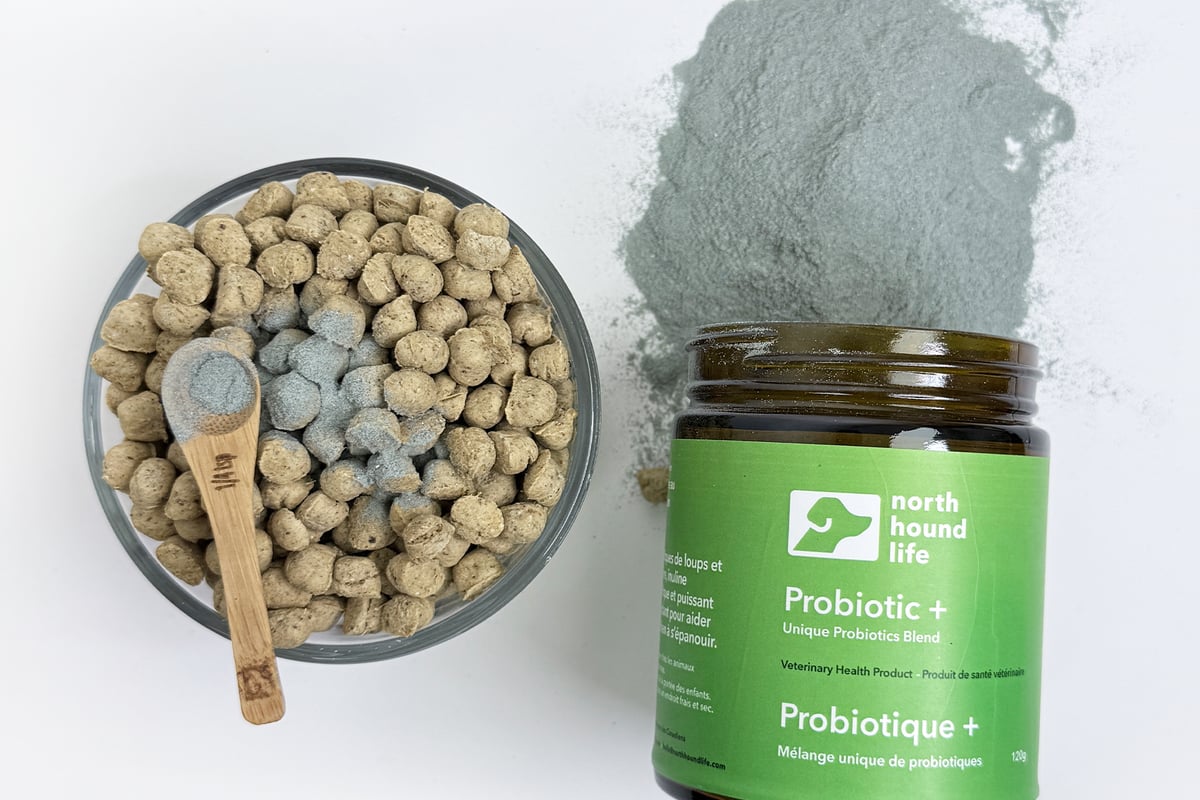
- Probiotics support gut health, which influences digestion, immune function and even mood through the gut-brain axis.
- Joint support ingredients like glucosamine, chondroitin and omega-3s help maintain mobility, especially important for large breeds and seniors.
- Antioxidants from whole-food sources combat oxidative stress and support cellular health throughout the body.
- Digestive enzymes can improve nutrient absorption, particularly in dogs with sensitive stomachs or pancreatic insufficiency.
- Omega-3 fatty acids deserve special mention for their wide-ranging benefits across nearly every body system.
When considering supplements for total pet wellness, quality matters enormously. Look for products with single, recognisable ingredients, no fillers or synthetic additives, and transparent sourcing. Our approach at North Hound Life centres on whole-food supplements that work with your dog's biology rather than overwhelming it with isolated synthetic nutrients.
For dogs with digestive sensitivty or those recovering from illness, supporting gut health becomes especially important for total pet wellness. A healthy gut lining and balanced microbiome influence everything from nutrient absorption to immune response.
Mental and Emotional Wellness
Total pet wellness extends far beyond the physical body to encompass your dog's mental state, emotional security and behavioural health.
Enrichment for Cognitive Health
Dogs are intelligent, social animals who suffer when understimulated. Mental exercise tires dogs more effectively than physical exercise alone and prevents destructive behaviours born of boredom.
Scent work taps into your dog's most powerful sense and provides deep satisfaction. Hide treats around the house, teach formal nose work or simply allow extended sniffing time on walks.
Puzzle toys challenge problem-solving abilities and slow down fast eaters. Rotate different puzzles to maintain novelty and interest.
Training sessions strengthen your bond whilst providing mental stimulation. Even senior dogs benefit from learning new tricks or refining existing skills.
The ASPCA provides evidence-based resources on behavioural wellness and enrichment strategies that support total pet wellness through mental engagement.
Creating Emotional Security
Dogs thrive on predictability and clear communication. Consistent routines, positive reinforcement training and a secure home environment form the foundation of emotional wellness.
Safe spaces allow your dog to retreat when overwhelmed. This might be a crate, a specific room or a quiet corner with their bed.
Appropriate socialisation depends on your individual dog. Some dogs love dog parks; others prefer one-on-one play with familiar friends. Respect your dog's preferences rather than forcing interactions that create stress.
Stress reduction techniques include calming music, pheromone diffusers, massage and maintaining calm energy yourself during potentially stressful situations.
From our experience, dogs whose emotional needs are met often show improvements in physical health issues, from skin problems to digestive upset. The mind and body truly are interconnected.
Life-Stage Considerations for Total Pet Wellness
Total pet wellness looks different at eight weeks than at eight years, and adapting your approach to your dog's life stage optimises health outcomes.
Puppies: Building Strong Foundations
Puppy wellness focuses on proper nutrition for growth, appropriate socialisation during critical developmental windows and establishing healthy habits that last a lifetime.
- Feed puppy-specific formulas with proper calcium-to-phosphorus ratios for skeletal development
- Prioritise gentle socialisation to novel experiences, people and stable adult dogs
- Begin basic training using positive reinforcement methods
- Establish dental care routines early, when puppies are most adaptable
- Avoid over-exercise that stresses developing joints
| Life Stage | Primary Wellness Focus | Common Challenges |
|---|---|---|
| Puppy (8 weeks - 14 months) | Growth, socialisation, foundation training | Overfeeding, insufficient mental stimulation |
| Adult (18 months - 7 years) | Maintenance, preventive care, fitness | Weight gain, boredom, dental disease |
| Senior (8+ years) | Mobility, cognitive function, comfort | Arthritis, organ decline, sensory loss |
Adult Dogs: Maintaining Peak Health
Adult wellness emphasises maintaining ideal body condition, preventing obesity, continuing mental enrichment and catching early signs of age-related changes.
Regular exercise appropriate to your dog's breed and energy level prevents weight gain and supports cardiovascular health. Most dogs benefit from at least 30-60 minutes of activity daily, though working breeds may need substantially more.
Consistent preventive care catches problems early. Annual bloodwork establishes baseline values that make it easier to identify changes as your dog ages.
Senior Dogs: Supporting Graceful Aging
Senior total pet wellness focuses on maintaining quality of life, managing age-related conditions and maximising comfort through nutrition, appropriate exercise and targeted supplementation.
Joint support becomes increasingly important as cartilage naturally degrades with age. Joint and mobility supplements containing omega-3s, glucosamine and other whole-food ingredients can support comfort and flexibility.
Cognitive support through continued mental enrichment, antioxidant-rich nutrition and consistent routines helps maintain mental sharpness.
Regular veterinary monitoring, often recommended twice yearly for seniors, catches conditions like kidney disease, diabetes or hypothyroidism when they're most manageable.
Monitoring and Adjusting Your Wellness Approach
Total pet wellness requires ongoing attention and willingness to adjust as your dog's needs change. Regular monitoring helps you catch small changes before they become big problems.
Key Wellness Indicators to Track
Energy levels provide insight into overall health. Sudden increases or decreases in energy, particularly in senior dogs, warrant veterinary attention.
Appetite changes can signal everything from dental pain to serious organ disease. Track what's normal for your dog so deviations are obvious.
Stool quality reflects digestive health. Consistency, colour and frequency should remain relatively stable on a consistent diet.
Coat condition and skin health often reflect internal wellness. Dullness, excessive shedding, flaking or itching suggest nutritional deficiencies, allergies or other systemic issues. Supporting skin and coat health through nutrition and appropriate supplements addresses these issues from the inside out.
Mobility and gait should remain consistent. Limping, stiffness after rest or reluctance to jump or climb stairs suggest joint discomfort that deserves attention.
When to Adjust Your Approach
Total pet wellness isn't static. Life changes, seasonal variations, aging and health events all require adjustments to your wellness plan.
Seasonal considerations might include increased tick prevention in summer, joint support during cold weather or managing seasonal allergies in spring and autumn.
Activity level changes require dietary adjustments. A dog who starts agility training needs more calories and different nutrient ratios than a couch companion.
Health events like surgery, illness or injury benefit from targeted support during recovery and potentially long-term adjustments afterward.
From our experience, the dog parents who achieve the best outcomes stay observant, keep detailed notes about their dog's patterns and communicate regularly with their veterinary team.
Frequently Asked Questions About Total Pet Wellness
What's the single most important thing I can do for my dog's wellness? Establish a relationship with a veterinarian you trust and maintain regular preventive care visits. Everything else builds from that foundation.
How much should I budget for total pet wellness annually? Plan for £1,000-2,000 ($1,200-2,400 CAD) for a healthy adult dog, including preventive care, quality food, supplements and routine dental care. Senior dogs or those with chronic conditions may require more.
Can I implement total pet wellness on a tight budget? Yes, though it requires prioritisation. Focus first on preventive vet care and quality nutrition, even if it means fewer toys or accessories. Many enrichment activities like scent work and training cost nothing.
How do I know if my dog needs supplements? Work with your veterinarian to identify specific needs based on age, diet, health history and current condition. Not every dog needs every supplement, but most benefit from targeted support in specific areas.
When should I switch from adult to senior wellness approaches? Generally around age seven for most breeds, though giant breeds age faster (around 5-6 years) and small breeds slower (around 8-9 years). Watch for functional changes rather than relying solely on age.
Creating Your Personalised Wellness Plan
Total pet wellness works best when tailored to your individual dog's needs, lifestyle and health status rather than following a one-size-fits-all approach.
Start by assessing your dog's current state across all five wellness pillars. Where are they thriving? Where do you see room for improvement?
Set specific, measurable goals for each area. "Improve dental health" is vague; "brush teeth five days per week and schedule professional cleaning" is actionable.
Implement changes gradually to avoid overwhelming yourself or your dog. Choose one or two areas to address first, establish new habits, then add more.
Track progress through photos, notes or a wellness journal. Subtle changes become obvious when you compare month-to-month rather than day-to-day.
Reassess quarterly to evaluate what's working, what isn't and what needs adjustment as your dog's needs evolve.
Not sure where to start or which supplements might benefit your dog's specific wellness goals? Our personalised supplement quiz asks a few quick questions about your dog's age, size and health priorities, then recommends the whole-food supplements that fit their individual needs.
Total pet wellness isn't about achieving perfection in every area simultaneously; it's about consistent attention to your dog's complete wellbeing across physical, mental, emotional and nutritional dimensions. Small daily actions, from choosing nutrient-dense foods to providing mental enrichment to maintaining preventive care, compound over time into vibrant health and quality of life. At North Hound Life, we're here to support your wellness journey with whole-food supplements that work with your dog's biology, transparent ingredient sourcing and practical guidance rooted in years of experience in natural canine health.

