

Halloween brings excitement, laughter and a whole lot of chocolate through the front door. But for those of us with dogs, it also brings worry. Between trick-or-treaters ringing the bell every five minutes, the temptation of candy wrappers on the floor, and costumes that might stress your pup out, the night can feel overwhelming. I've spent nearly two decades helping dog parents navigate seasonal challenges, and I promise you this: with a bit of preparation, dogs at Halloween can stay safe, comfortable and even enjoy the festivities alongside you.
The Hidden Dangers Lurking in Halloween Candy
Dogs at Halloween face a minefield of sweet toxins, and it's not just chocolate you need to worry about. Even sugar-free treats can be deadly.
Chocolate Toxicity: Know the Numbers
Chocolate contains theobromine and caffeine, two methylxanthines that dogs metabolize far more slowly than humans do. The darker the chocolate, the higher the concentration and the greater the danger.
Here's what you need to know by chocolate type:
| Chocolate Type | Theobromine (mg/oz) | Risk Level for 50 lb Dog |
|---|---|---|
| White chocolate | 0.25 | Very low |
| Milk chocolate | 44-60 | Moderate (2-3 bars risky) |
| Dark chocolate | 130-450 | High (1 bar dangerous) |
| Baking chocolate | 390-450 | Severe (1 oz can be fatal) |
The ASPCA warns that chocolate ingestion causes vomiting, diarrhea, rapid heart rate, seizures and even death in severe cases. If your dog sneaks even a small amount of dark or baking chocolate, contact your veterinarian immediately.
The Xylitol Emergency
This is the one that terrifies me most. Xylitol, an artificial sweetener found in sugar-free gum, candies and even some peanut butters, can cause life-threatening hypoglycemia within 10 to 60 minutes of ingestion.
According to the Merck Veterinary Manual, as little as 0.1 grams per kilogram of body weight can trigger a dangerous drop in blood sugar. Higher doses can cause acute liver failure.
Signs of xylitol poisoning include:
- Vomiting
- Weakness or lethargy
- Stumbling or difficulty walking
- Tremors or seizures
- Collapse
If you even suspect xylitol ingestion, this is a race against time. Get to an emergency vet immediately.
Other Candy Hazards
Raisins (found in trail mix treats) can cause kidney failure. Wrappers, foil and lollipop sticks pose choking and obstruction risks. Macadamia nuts trigger weakness and tremors. The Pet Poison Helpline keeps a comprehensive seasonal list worth bookmarking.
From our experience: We've had clients rush their dogs to the vet after a child's trick-or-treat bag was left on the coffee table for "just a minute." It takes seconds. Keep all candy in sealed containers well out of paw's reach, and brief every family member and visitor on the rules.
Managing Doorbell Stress and Visitor Overload
The constant ringing, knocking and parade of strangers in masks can send even the calmest dog into a frenzy. Dogs at Halloween often experience anxiety that manifests as barking, pacing, or even aggression.
Create a Safe Space Away from the Door
Your dog doesn't need to greet every goblin and princess. In fact, most dogs will be far happier in a quiet room with familiar bedding, a chew toy and some soft music to mask the doorbell.
Set up this retreat early in the evening:
- Choose a room far from the front door (bedroom or basement works well)
- Close curtains or blinds to reduce visual stimulation
- Turn on calming music or white noise
- Provide a frozen Kong or long-lasting chew
- Check in periodically but don't hover
The American Kennel Club recommends practicing this setup a few days before Halloween so your dog already associates the space with calm, positive experiences.
The Escape Risk You Can't Ignore
Dogs bolt. They see an open door, a child in a Spiderman costume, and instinct takes over. According to VCA Animal Hospitals, Halloween sees a spike in lost pets because of open doors and costume-triggered fear responses.
Before the trick-or-treaters arrive:
- Double-check that your dog's microchip information is current
- Ensure collar tags are secure and legible
- Consider a baby gate as a secondary barrier between your dog and the front door
- Assign one adult to "dog duty" while another handles candy distribution
Noise Desensitization Isn't Just for Fireworks
The same strategies that help dogs cope with fireworks apply to Halloween chaos. Cornell University's veterinary team suggests gradual desensitization to doorbell sounds in the weeks leading up to stressful events.
Play doorbell recordings at low volume while offering treats. Gradually increase the volume over several sessions. Pair the sound with something positive. It won't eliminate anxiety overnight, but it can take the edge off.
Costume Considerations: When Dress-Up Becomes Distress
Not every dog is thrilled to wear a hot dog costume. Dogs at Halloween sometimes end up in outfits that restrict movement, overheat them, or trigger genuine fear.
Signs Your Dog Hates Their Costume
Watch for these red flags:
- Freezing in place or refusing to move
- Excessive scratching or biting at the fabric
- Pinned-back ears and whale eye (showing whites of eyes)
- Panting heavily despite cool temperatures
- Attempting to hide or escape
If you see these signs, take the costume off immediately. Your dog's comfort matters more than the photo opportunity.
Safe Costume Guidelines
If your dog genuinely seems comfortable (tail wagging, moving freely, accepting treats), keep these safety points in mind:
- Ensure the costume doesn't obstruct vision, breathing or movement
- Avoid small decorative pieces that could be chewed off and swallowed
- Check for any rubbing or chafing, especially around the neck and legs
- Never leave a costumed dog unsupervised
- Have a quick-release plan if your dog shows distress
A simple bandana or festive collar is often the best compromise. Your dog gets to participate without the stress.
Decoration Dangers You Might Not Expect
Dogs at Halloween encounter new objects that smell interesting, move in the wind, and beg to be investigated (or chewed).
Glow Sticks and Electrical Cords
Glow sticks contain dibutyl phthalate, a substance that tastes terrible and causes drooling, mouth irritation and sometimes vomiting. It's rarely life-threatening, but it's deeply unpleasant for your dog.
Extension cords for light displays pose electrocution risks if chewed. Tape them down, run them behind furniture, or use cord protectors.
Candles and Jack-o'-Lanterns
A wagging tail plus an open flame equals potential disaster. Battery-operated candles eliminate the burn risk entirely. If you must use real candles, place them well out of tail-swatting range.
From our experience: We've seen singed whiskers, burned paw pads and even house fires started by curious dogs investigating carved pumpkins. It's not worth the risk.
Supporting Your Dog's Immune System Through Stressful Seasons
Stress impacts more than just behaviour. It can temporarily suppress immune function, leaving dogs more vulnerable to illness. During busy seasons like Halloween, when routines shift and anxiety runs high, supporting your dog's natural defences becomes even more important.
Many of our clients turn to whole-food supplements to help their dogs maintain vitality during stressful times. Our Immune Support+ Turkey Tail Mushroom is particularly popular in autumn, as it's rich in beta-glucans and antioxidants that support immune function and daily wellness. It's 100% organic fruiting body, hot water extracted, with no fillers or lab-grown mycelium.
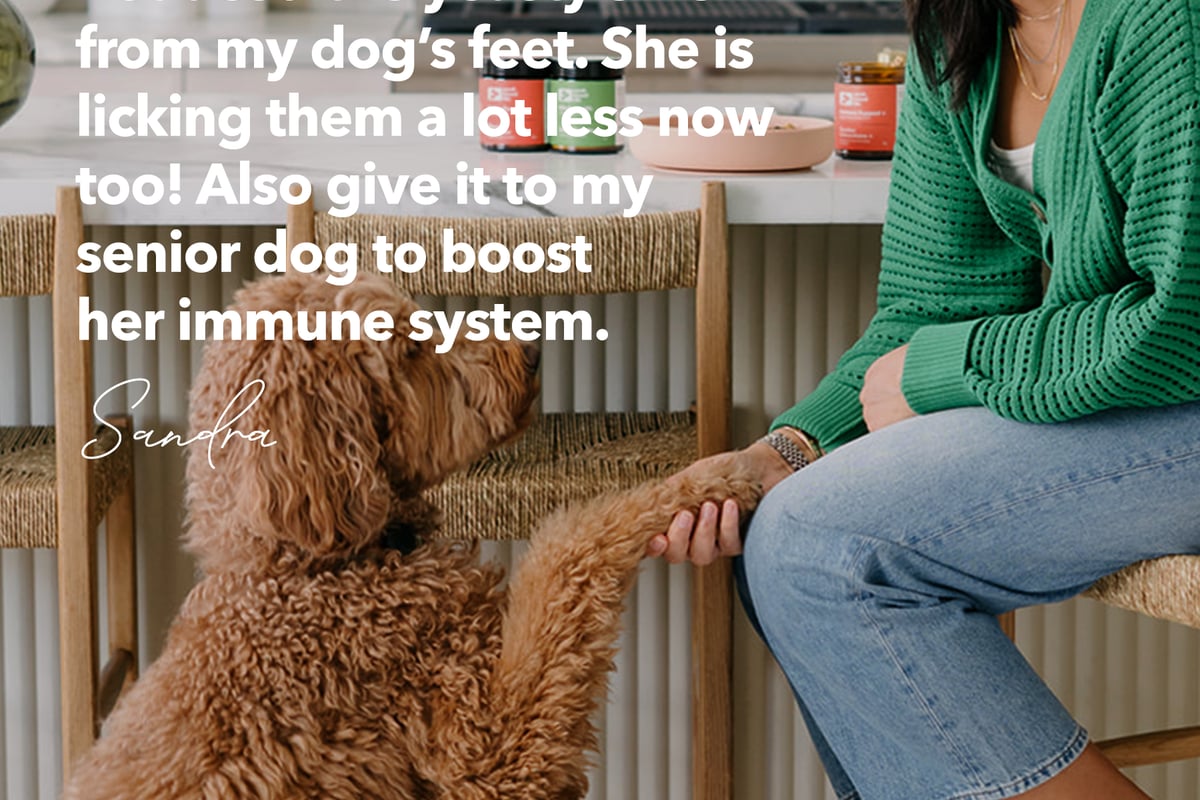
If your dog experiences digestive upset from stress (many do), natural digestive supplements can help restore balance. Stress and gut health are deeply connected, and a calm gut often means a calmer dog.
What to Do If Your Dog Eats Something Dangerous
Despite your best efforts, accidents happen. Dogs at Halloween sometimes sneak candy, chew decorations, or ingest something they shouldn't.
Emergency Action Steps
- Stay calm and assess what was eaten. Try to identify the substance and estimate the amount.
- Call your veterinarian or an emergency clinic immediately. Don't wait for symptoms to appear.
- Have this information ready: your dog's weight, what they ate, how much, and when.
- Do NOT induce vomiting unless specifically instructed by a veterinary professional.
The ASPCA Animal Poison Control Center (888-426-4435) and Pet Poison Helpline (855-764-7661) are available 24/7. There is a consultation fee, but it's worth every penny for expert guidance.
When to Rush to the Emergency Vet
These symptoms require immediate veterinary attention:
- Vomiting or diarrhea (especially if bloody)
- Seizures or tremors
- Difficulty breathing
- Extreme lethargy or inability to stand
- Distended or painful abdomen
- Rapid or irregular heartbeat
Time matters. The sooner you act, the better the outcome.
Building a Halloween Safety Checklist
Let's make this practical. Here's your pre-Halloween prep list:
One Week Before:
- Update microchip and ID tag information
- Stock up on long-lasting chews and puzzle toys
- Practice doorbell desensitization if needed
- Test costume for fit and comfort (if using)
Halloween Day:
- Walk your dog before festivities begin (a tired dog is a calmer dog)
- Set up safe retreat space with water, bedding and entertainment
- Remove all candy, decorations and choking hazards from dog's reach
- Double-check doors, gates and fences for security
- Assign a family member to dog monitoring duty
During Trick-or-Treating:
- Keep dog in designated safe space
- Check on them periodically without overstimulating
- Ensure all visitors know not to open the retreat room door
- Keep emergency vet numbers easily accessible
After Halloween:
- Sweep floors for dropped candy and wrappers
- Put away decorations that could be chewed
- Return your dog to normal routine as quickly as possible
- Monitor for any delayed signs of stress or illness
Halloween FAQ for Dog Parents
Can dogs eat any Halloween candy safely?
No. Even "safe" candies contain sugar, artificial ingredients and wrappers that pose risks. Plain pumpkin (not pie filling) or small pieces of carrot make better seasonal treats. If you want to include your dog in the fun, look for dog-specific treats designed for the occasion.
How do I know if my dog's stress level is dangerous?
Monitor for excessive panting, drooling, pacing, hiding, trembling, refusal to eat, or destructive behaviour. If your dog won't settle even in their safe space, or if stress behaviours last beyond Halloween night, consult your veterinarian. Chronic stress impacts physical health and may require intervention.
Should I take my dog trick-or-treating with the kids?
Most dogs find trick-or-treating overwhelming. The crowds, costumes, unpredictable movements and noise create a perfect storm of stress. Unless your dog has extensive socialization, stays calm in chaotic environments, and genuinely enjoys the experience, they're better off at home. Their safety and comfort outweigh the photo opportunity.
What's the most dangerous Halloween item for dogs?
Xylitol-containing sugar-free candy poses the greatest immediate threat because of how quickly it acts and how little it takes to cause life-threatening hypoglycemia. Dark chocolate and baking chocolate come in close second. Both require emergency veterinary care.
How long should I keep my dog in their safe space on Halloween?
Plan for the entire trick-or-treating window, typically 5:00 PM to 9:00 PM in most neighborhoods. Don't bring your dog out "just to see" mid-evening, as that disrupts their settling process. Once the doorbell activity has completely stopped for at least 30 minutes, you can gradually reintroduce them to the household.
Holistic Support for Anxious Dogs Year-Round
Halloween stress is temporary, but some dogs carry anxiety through every season. If your dog struggles with noise sensitivity, stranger fear, or general nervousness, year-round support makes a difference.
Whole-food supplements rich in omega-3 fatty acids can support brain health and emotional balance. The omega-3s EPA and DHA play important roles in neurological function. Many dog parents also find that supporting gut health through quality probiotics helps with anxiety, as the gut-brain connection in dogs is remarkably strong.
At North Hound Life, we've built our entire approach around whole-food, single-ingredient supplements that support dogs through every life stage and challenge. We believe in transparency, quality sourcing, and giving you the tools to support your dog's wellness naturally.
Not sure where to start with supplements for your anxious or senior dog? Our personalized supplement quiz takes just two minutes and recommends products based on your dog's specific needs. You'll also receive 10% off your first order.
Teaching Children Halloween Safety Around Dogs
If you have kids participating in the festivities, this is a teaching moment. Dogs at Halloween need extra space and patience, and children must understand the rules.
Non-Negotiable Rules for Kids
- Never approach a dog in costume without the owner's explicit permission
- Don't reach through fences or car windows to pet dogs
- If a dog seems nervous (ears back, backing away, growling), leave them alone immediatly
- Never take food or toys from a dog, even during play
- Don't run or scream near dogs, as it can trigger chase or fear responses
Practice these scenarios before Halloween night. Role-play what to do if a dog jumps up, barks, or tries to take their candy bag. Preparation prevents panic.
For Parents Hosting Trick-or-Treaters
If your dog will be visible to children at all:
- Ensure they're secured (leashed, behind a gate, or in another room)
- Post a sign if your dog is nervous: "Friendly dog training, please don't knock"
- Never assume children know how to approach dogs safely
- Supervise every interaction without exception
Children and dogs can coexist beautifully during Halloween, but only with clear boundaries and active adult oversight.
The Day After: Post-Halloween Recovery
The candy is sorted, the costumes are hung up, and you've survived another Halloween. But dogs at Halloween often need a day or two to decompress.
Return to normal routines as quickly as possible:
- Resume regular feeding times
- Get back to usual walk routes and schedules
- Remove any lingering decorations that still smell interesting
- Watch for delayed signs of stress or digestive upset
Some dogs experience loose stools or decreased appetite for 24-48 hours after stressful events. This is usually normal stress recovery, but if symptoms persist beyond two days or worsen, check with your veterinarian.
Give your dog extra grace. They just navigated a night of chaos with strangers, strange sounds and temptation everywhere. A quiet day, familiar routine and maybe an extra-long walk will help reset their nervous system.
Halloween doesn't have to mean stress and danger for your dog. With thoughtful preparation, clear boundaries and a safe retreat space, your pup can weather the spooky season comfortably while you enjoy the festivities. At North Hound Life, we're here to support your dog's wellness through every season with natural, whole-food supplements designed for real-life challenges. Whether you're supporting immune health, joint comfort, or digestive balance, we've got you covered with transparency, quality and care.

