


Did you know fish oil for dogs is one of the top wellness trends in 2025? More pet parents are turning to natural supplements to boost their furry friends’ health.
In this guide, we explore the science behind fish oil for dogs, revealing its proven benefits and how it supports everything from shiny coats to healthy joints.
We will show you what fish oil is, how it works, the best ways to use it safely, and what to watch for. Ready to give your dog the gift of better health? Read on and discover how to help your dog thrive.
What Is Fish Oil for Dogs?
Fish oil for dogs is a natural supplement made from the tissues of cold-water fish such as salmon, sardines, and anchovies. It has become a staple in many canine wellness routines, thanks to its rich content of essential nutrients that support your pet’s overall health.
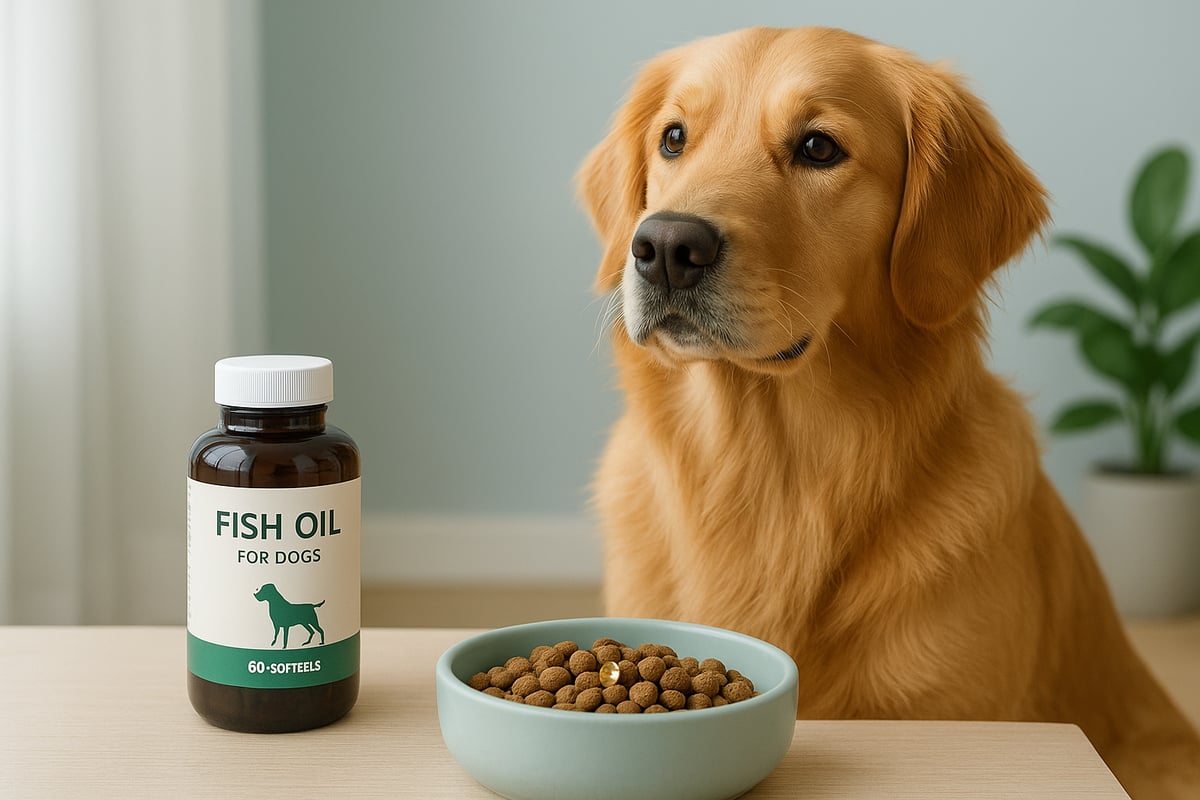
What makes fish oil for dogs so valuable? The answer lies in its high levels of omega-3 fatty acids, specifically EPA (eicosapentaenoic acid) and DHA (docosahexaenoic acid). These nutrients are crucial for supporting healthy skin, a glossy coat, joint function, and even brain development in puppies.
To ensure safety, reputable brands process fish oil for dogs using advanced purification techniques. This removes harmful toxins like mercury and PCBs, leaving behind a clean, potent supplement. Purity matters because dogs, just like us, can be sensitive to environmental pollutants.
Fish oil for dogs comes in several forms, each with its own benefits. Liquid versions are easy to mix into meals and are ideal for picky eaters. Capsules offer precise dosing and are less messy, while soft chews combine taste with simplicity, making them popular with dogs who dislike pills. When choosing a form, think about your dog’s size, preferences, and feeding habits.
How does fish oil for dogs compare to other sources of omega-3s? Krill oil is another marine option, but it usually has lower EPA and DHA levels. Plant-based omega-3s, like flaxseed oil, provide ALA (alpha-linolenic acid), which dogs convert inefficiently, so they don’t offer the same benefits as direct EPA and DHA supplementation.
Veterinarians often recommend fish oil for dogs as part of a balanced diet, especially for pets with allergies, joint issues, or dull coats. Salmon oil, in particular, is a top pick in the UK and North America due to its high omega-3 content and palatability. According to Benefits of Fish Oil for Canine Health, fish oil is widely used for both dogs and cats, with proven effects on skin, coat, and general wellbeing.
By understanding what fish oil for dogs is, its sources, and how it is prepared, you can make informed choices that support your dog’s health and happiness.
Proven Benefits of Fish Oil for Dogs
If you’ve ever wondered why fish oil for dogs is so popular, you’re not alone. Pet owners everywhere are discovering just how many ways this natural supplement can help their furry friends. From shiny coats to sharper minds, the benefits reach every corner of your dog’s wellbeing. Let’s explore the science-backed reasons why fish oil for dogs is a must-have in your pup’s wellness routine.

Skin & Coat Health
One of the most noticeable benefits of fish oil for dogs is its impact on skin and coat health. Omega-3 fatty acids, especially EPA and DHA, help reduce itching and flakiness caused by allergies or dermatitis. Many owners see a softer, shinier coat and less shedding after adding fish oil for dogs to meals.
For dogs with atopy or chronic skin inflammation, regular fish oil for dogs supplementation can mean less scratching and a happier pup. Studies show fish oil for dogs can decrease inflammatory cytokines, leading to healthier skin.
Joint & Mobility Support
As dogs age, joint health becomes a bigger concern. Fish oil for dogs offers powerful anti-inflammatory properties that can help ease arthritis symptoms and joint pain. Senior dogs, or those with osteoarthritis, often move more freely and show greater comfort when taking fish oil for dogs.
Research highlights that dogs given fish oil for dogs tend to be more agile compared to those without supplementation. This makes it a popular choice for supporting mobility and overall activity levels.
Heart & Cardiovascular Protection
Fish oil for dogs isn’t just good for joints and skin—it also supports heart health. Omega-3s can reduce the risk of arrhythmias and lower blood triglyceride levels, which is crucial for dogs with heart disease or pancreatitis.
Additionally, fish oil for dogs acts as a gentle anticoagulant, helping to prevent blood clots. According to PetMD, these cardiovascular benefits make fish oil for dogs a smart addition for breeds prone to heart issues.
Kidney & Immune System Benefits
For dogs with chronic kidney disease, fish oil for dogs can slow disease progression by lowering blood pressure and reducing protein loss in urine. The supplement also helps boost the immune system, making it easier for dogs to fight off illness.
There’s emerging evidence that fish oil for dogs may even help slow tumour growth in certain cancers. Improved kidney function and a stronger immune response are just some of the reasons vets recommend fish oil for dogs in challenging health situations.
Brain & Cognitive Function
Fish oil for dogs is essential for developing brains in puppies. DHA, a component of fish oil for dogs, supports learning and memory. Puppies given fish oil for dogs often perform better in training and cognitive tests.
Senior dogs can also benefit. Fish oil for dogs may help older pets retain mental sharpness and recognition, making daily life more enjoyable for both you and your companion.
Additional Benefits
Beyond the main benefits, fish oil for dogs can help manage conditions like inflammatory bowel disease, diabetes, and epilepsy. It even supports overall wellbeing and longevity, making it a versatile supplement for dogs of all ages.
If you’d like to learn more about the broad advantages and expert guidance on fish oil for dogs, check out the American Kennel Club's Guide to Fish Oil for Dogs.
Whether your aim is a glossy coat, comfortable joints, or a sharper mind, fish oil for dogs can be a game changer. Always consult your vet to ensure the best results for your dog’s unique needs.
How to Choose the Best Fish Oil for Your Dog
Selecting the best fish oil for dogs can feel overwhelming, but with the right guidance, it becomes much simpler. We want to help you make an informed, confident choice that supports your dog's health for years to come.
Product Quality and Sourcing
The foundation of any good fish oil for dogs is its purity and source. High quality products are extracted from cold water fish such as salmon, sardines, or anchovies. These are naturally rich in omega-3 fatty acids, which are crucial for your dog's health.
Always look for fish oil for dogs that has been third-party tested. Certification ensures the oil is free from mercury, PCBs, and other harmful toxins. You might notice that wild-caught fish are often preferred over farmed fish, as they tend to have a better nutritional profile and fewer contaminants.
When reviewing options, check for clear statements about sourcing and purity on the packaging or brand website. Many reputable brands also publish their test results online, which gives extra peace of mind.
Dosage Forms and How to Choose
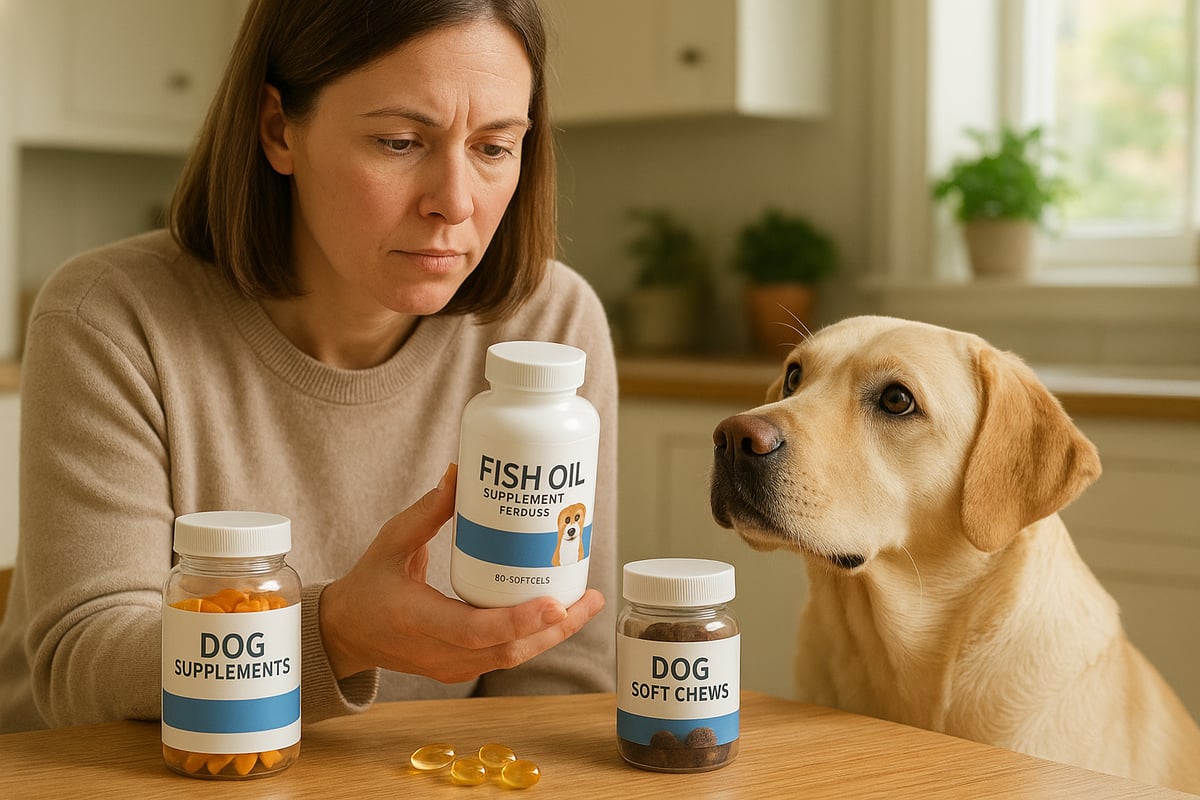
Fish oil for dogs comes in several convenient forms, each with its own pros and cons. Liquids are easy to mix into food, making them ideal for picky eaters or larger breeds. Capsules are mess-free and perfect for dogs who will happily swallow pills. Soft chews are a tasty option, especially for smaller dogs or those who dislike other forms.
Choosing the right form depends on your dog's size, preferences, and your daily routine. For example, if your dog loves treats, soft chews can make supplement time a breeze. If you want a supplement that's easy to measure and blend with meals, liquids are often best.
You can also explore specialised products such as Omega-3 Oil for Dogs, which offer clear dosing instructions and are formulated specifically for canine needs.
Reading Labels and Ingredients
Decoding supplement labels is a vital step when buying fish oil for dogs. Start by checking the EPA and DHA content per serving, as these are the active omega-3s your dog will benefit from most. The label should clearly state the amount of each, allowing you to compare products easily.
Avoid any product listing unnecessary additives, especially xylitol, which is toxic to dogs. Look for simple ingredient lists with just fish oil and vitamin E for freshness. Some brands add flavourings, but these should be natural and dog-safe.
If you see terms like "human grade" or "pharmaceutical grade," it often signals higher quality, though always double-check for canine-specific formulation.
Veterinary Guidance and Sustainability
Your vet is your best partner when choosing fish oil for dogs. They can recommend products based on your dog's unique needs, age, and health goals. Some well-known, vet-recommended brands include Vibeful Wild Alaskan Salmon Oil and Nutramax Welactin, both praised for their purity and effectiveness.
Sustainability is another important factor. Brands that use eco-friendly fishing practices and recyclable packaging are making choices that benefit both pets and the planet. Look for certifications or company statements about responsible sourcing.
By combining expert advice with careful product selection, you can confidently provide your dog with the best possible support for their wellbeing.
How to Give Fish Oil to Dogs: Step-by-Step Guide
Giving fish oil for dogs the right way can make a big difference in their health and happiness. To help you get started, here is a simple, step-by-step approach that is easy to follow. With these steps, you can give your dog the best chance to thrive while making the process stress-free for both of you.
Step 1: Consult Your Veterinarian
Before introducing fish oil for dogs into your pet’s routine, always start with a chat with your vet. Every dog is unique, and your vet can assess if fish oil is suitable, considering your dog’s age, weight, and any health issues.
For example, dogs with bleeding disorders or those on certain medications may need a personalised plan. Your vet can also help you watch out for any possible interactions with current treatments. This first step builds a foundation of safety and trust for your dog’s well-being.
Step 2: Select the Right Product and Dosage
Choosing the correct product is essential for making the most of fish oil for dogs. Look for options made just for pets, as human supplements might contain unsafe ingredients. Your vet can suggest trusted brands and forms, like liquids, capsules, or soft chews.
Pay close attention to dosing, which is usually based on your dog’s body weight and health goals. For clear, detailed dosing recommendations, you can also refer to Fish Oil Dosage Guidelines for Dogs. This ensures your dog gets the right amount of EPA and DHA for their needs.
Step 3: Introduce Fish Oil Gradually
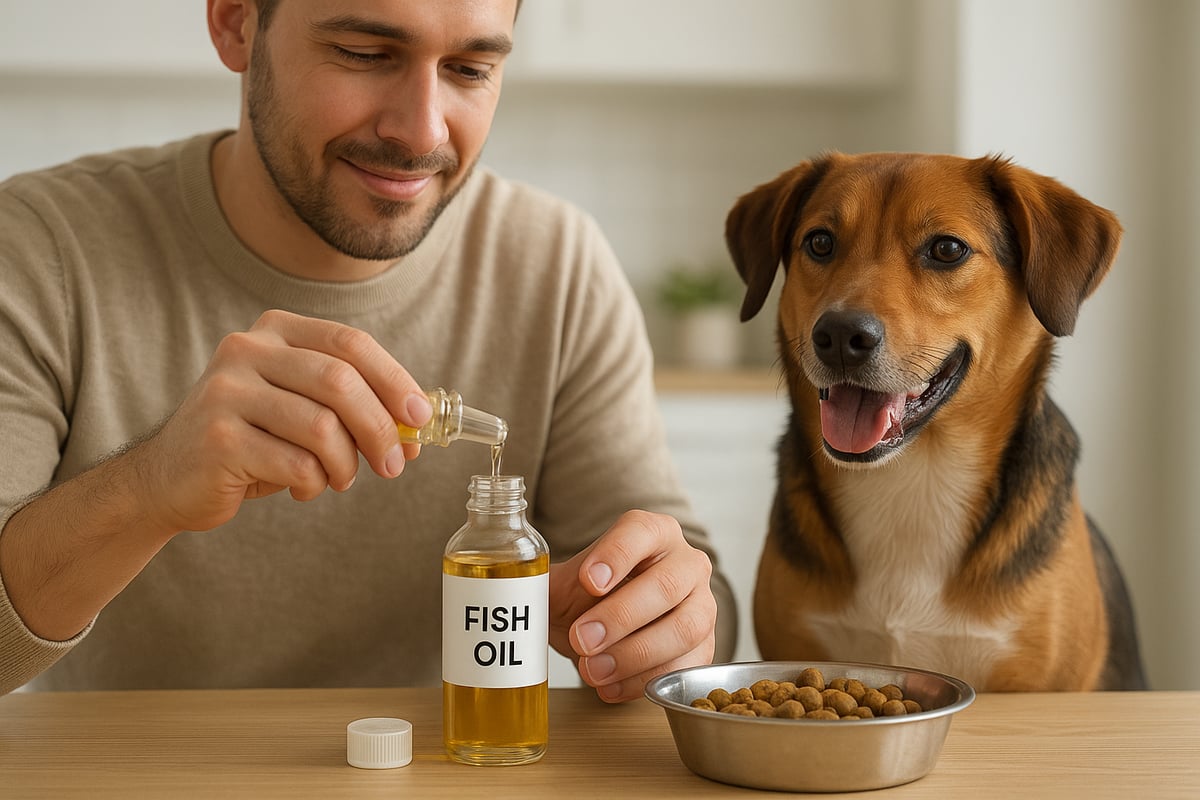
When starting fish oil for dogs, take it slow to let your dog adjust. Begin with a smaller amount than the full dose and mix it into their regular food. This helps you watch for any tummy troubles, such as diarrhoea or vomiting.
If your dog is a picky eater, try using soft chews or blend the oil into a favourite treat. Making the experience positive encourages your dog to accept this healthy addition to their meals.
Step 4: Monitor for Benefits and Side Effects
As you continue with fish oil for dogs, keep an eye out for changes in your dog’s coat, energy, and comfort. Most owners see positive results like a shinier coat or easier movement within a few weeks.
At the same time, watch for any unwanted effects such as digestive upset or restlessness. If you notice anything unusual, jot down the details and share them with your vet at your next visit.
Step 5: Adjust as Needed
Fish oil for dogs is not a one-size-fits-all solution. Your vet may recommend adjusting the dose, switching brands, or even cycling the supplement to keep your dog feeling their best.
It is important to stay flexible and responsive to your dog’s needs. Regular check-ins with your vet help you fine-tune the plan and ensure your dog continues to enjoy all the benefits of fish oil.
Potential Side Effects and Safety Considerations
Keeping our dogs happy and healthy is a top priority, so understanding the safety of fish oil for dogs is essential. While this supplement offers wonderful benefits, it's important to be aware of possible side effects and how to use it responsibly. Let's explore what to look out for, how to keep your dog safe, and when to reach out to your vet for help.
Common Side Effects
Even with the best intentions, some dogs may react to fish oil for dogs. The most common side effects are mild and usually resolve with simple adjustments. These include:
- Loose stools or diarrhoea
- Occasional vomiting or drooling
- Decreased appetite
Giving too much fish oil for dogs can cause more serious issues, such as blood thinning or slower wound healing. Rarely, dogs may experience allergic reactions, which could show up as itching or skin irritation. If you notice any changes in your dog's coat or skin, explore supportive options like Skin and Coat Health Supplements for gentle alternatives.
Most side effects improve when you lower the dose or pause the supplement. Always introduce new supplements slowly and watch your dog closely for any changes.
Interactions and Contraindications
Some dogs have health conditions or take medications that change how they react to fish oil for dogs. For example, dogs on anticoagulant drugs or those with clotting issues need extra care, as fish oil can make bleeding more likely.
It's also important to avoid human fish oil products, which may contain sweeteners or additives like xylitol that are dangerous for dogs. Always choose a formula specifically designed for dogs to ensure safety and correct dosing.
If your dog is taking other supplements or has a sensitive stomach, talk to your vet before adding fish oil for dogs. This helps prevent unwanted interactions and keeps your dog feeling their best.
When to Seek Veterinary Advice
Knowing when to ask for help is key. If your dog has ongoing digestive issues, such as vomiting or diarrhoea that doesn't settle, contact your vet promptly. Likewise, any signs of an allergic reaction, like swelling or persistent itching, should be taken seriously.
Sudden changes in behaviour or health after starting fish oil for dogs deserve attention. Your vet can help decide if the supplement is right for your dog or if a different approach is needed. Remember, most side effects are mild and easy to manage, but your vet is always there to support you and your pet.
Frequently Asked Questions About Fish Oil for Dogs
If you are new to fish oil for dogs or just looking for some clarity, you are not alone. Below, we answer the most common questions pet parents have, helping you make the best choices for your dog's health and happiness.
Can I Give My Dog Human Fish Oil?
It is best to avoid giving your dog human fish oil supplements. These products often contain different dosages and may include additives, such as xylitol, that are safe for people but dangerous for pets. Fish oil for dogs is formulated to match canine needs and is usually free from harmful ingredients. Always choose a product specifically designed for dogs and follow the recommended guidelines.
Does Fish Oil Help with Allergies and Anxiety?
Fish oil for dogs is well known for easing allergy symptoms, especially itchy skin and shedding. Omega-3 fatty acids found in fish oil support the skin barrier, which helps reduce inflammation and allergic reactions. Some research also suggests omega-3s can help regulate brain chemicals, potentially easing anxiety in certain dogs. For joint health and arthritis relief, Fish Oil's Role in Managing Canine Osteoarthritis highlights how deep sea fish oil can improve comfort and mobility.
How Long Before I See Results?
You may notice improvements in your dog's coat and skin within 3 to 6 weeks after starting fish oil for dogs. Joint and mobility benefits often appear after a month of consistent use. Cognitive and immune changes can take longer, so patience is key. Keep track of your dog's progress and remember, results will vary depending on your dog's age, health, and condition.
How Much Fish Oil Should I Give My Dog?
The correct amount of fish oil for dogs depends on your dog's weight, age, and health needs. Always follow the dosing instructions on the packaging and consult your vet for tailored advice. Most canine fish oil products provide clear guidelines to help you give the right amount. Too much can cause side effects, so stick to the recommended dose and adjust only under veterinary supervision.
Are There Alternatives to Fish Oil?
If your dog cannot have fish oil for dogs due to allergies or preferences, there are other options. Krill oil and algae oil are good sources of omega-3s. You might also explore Natural Whole-Food Alternatives, which offer superfood blends and omega-rich supplements made from ethically sourced, human-grade ingredients. These alternatives can be mixed into food and are suitable for dogs of all ages. Always discuss any new supplement with your vet first.
