

In 2026, more Canadians than ever are prioritising their dogs’ health, with a growing spotlight on nutrition and natural supplements. As we all strive for happier, healthier pets, the omega 3 dog supplement has become a must-have in many households.
This guide is here to help you navigate the world of omega 3 dog supplements. We will look at what omega 3 is, the science behind its benefits, safe dosing, different supplement options, and how to choose the perfect product for your dog.
Ready to help your dog thrive? Let’s explore how omega 3 can make a real difference for every pup.
Understanding Omega 3 Fatty Acids for Dogs
Omega 3 fatty acids are gaining attention among Canadian dog lovers and health professionals. Knowing what makes an omega 3 dog supplement beneficial helps us make wise choices for our furry family members. Let’s break down the science and see why these nutrients matter for every breed, from playful pugs to energetic huskies.
What Are Omega 3 Fatty Acids?
Omega 3 fatty acids are essential fats that dogs cannot produce on their own. There are three main types: EPA (eicosapentaenoic acid), DHA (docosahexaenoic acid), and ALA (alpha-linolenic acid). EPA and DHA, mostly found in fish oils, are especially important for canine health, while ALA comes from plant sources like flaxseed.
These fats play a crucial role in brain development, skin health, and reducing inflammation. It’s important to balance omega 3 and omega 6 fatty acids in your dog’s diet. Too much omega 6 (found in many commercial foods) can lead to inflammation, while omega 3 helps calm it.
Let’s compare two natural sources:
| Source | Omega 3 Type | Bioavailability | Example Use |
|---|---|---|---|
| Flaxseed | ALA | Lower | Good for sensitive tummies |
| Fish Oil | EPA, DHA | Higher | Best for joint and skin health |
Recent Canadian surveys suggest up to 60% of pets may not get enough omega 3s in their daily meals. To dive deeper, check out this Omega 3 for Dogs Guide.
How Omega 3 Works in the Canine Body
An omega 3 dog supplement works on a cellular level to support your dog’s health from the inside out. Omega 3s are vital for building healthy cell membranes, which keep skin supple and joints flexible. They also have powerful anti-inflammatory properties, helping dogs recover faster from injuries or allergies.
When your dog gets enough omega 3, immune cells stay balanced and are less likely to overreact, which is important for pups with sensitive skin or autoimmune issues. For instance, a schnauzer with dry, itchy skin often experiences relief after starting a quality supplement.
Canadian veterinary research has shown that dogs receiving omega 3 supplements had a 25% reduction in inflammation markers after eight weeks. This means less stiffness and more playtime, especially for senior or active dogs.
The science is clear: omega 3s help maintain skin barrier function and boost overall wellness. Every dog, big or small, can benefit from the right omega 3 dog supplement.
Key Differences: Omega 3 for Dogs vs. Humans
Not all omega 3 products are created equal, and what works for us might not be safe for our pups. Dogs have unique metabolic needs. For example, a small pug will process fats differently than a large malamute, meaning dosages vary not just by weight but also by breed.
Human omega 3 products sometimes contain flavourings or additives that can harm dogs. It’s vital to choose a supplement designed specifically for canine use, with clear dosing instructions based on your dog’s size. Canadian regulations require pet supplements to meet strict safety standards, ensuring your omega 3 dog supplement is both safe and effective.
Here’s a quick look at metabolism differences:
| Dog Size | Metabolism Rate | Dosage Needs |
|---|---|---|
| Small Breeds | Faster | Lower (per kg) |
| Large Breeds | Slower | Higher (total amount) |
A study in Canada found that improper use of human supplements led to mild adverse reactions in 8% of dogs, such as digestive upset or lethargy. Always follow guidelines and consult your vet before starting any omega 3 dog supplement, especially if your pet has health challenges.
Benefits of Omega 3 Supplements for Dogs
Omega 3 dog supplement options are now more popular than ever, and for good reason. These supplements bring a range of science-backed benefits that help dogs of all ages thrive. Whether you have a playful puppy or a wise senior, the right support can transform joint function, skin health, mental sharpness, and overall wellness.
Let’s explore how omega 3 dog supplement choices can make a real difference in your dog’s life.
Joint Health and Mobility Support
Stiff joints and reduced mobility can affect dogs of any size, particularly as they age or if they’re highly active. Supplementing with omega 3 dog supplement products has been shown to reduce arthritis symptoms and slow the progression of osteoarthritis. In a recent Canadian veterinary study, dogs experienced a 30% improvement in joint flexibility after consistent use.
For example, a senior bulldog named Daisy struggled with morning stiffness. After introducing omega 3 dog supplement chews, her family noticed she could climb stairs and enjoy gentle walks again. This improvement is not just anecdotal—studies confirm that EPA and DHA in omega 3s help decrease inflammation in canine joints.
If you’re comparing options, omega 3 dog supplement products often outperform glucosamine alone when it comes to reducing swelling and boosting movement. For a deeper dive into benefits, dosages, and expert veterinary advice, check out this Fish Oil for Dogs: Benefits, Dosage, and Vet Recommendations resource.
Skin & Coat Health
Does your dog scratch more than usual or have a dull, flaky coat? Omega 3 dog supplement solutions are widely recommended for dogs with allergy-prone or sensitive skin. These fatty acids reinforce the skin’s natural barrier, locking in moisture and reducing itchy flare-ups.
A shih tzu named Max, who suffered from seasonal allergies, found relief after six weeks on an omega 3 dog supplement. His scratching dropped by 40%, and his coat became noticeably softer and shinier. Breeds like French Bulldogs, often prone to skin issues, can benefit greatly from this support.
Omega 3s help reduce inflammation in the skin, making them ideal for dogs with chronic sensitivities. Regular use leads to less shedding and a healthier, glossy appearance, helping your dog look and feel their best.
Cognitive and Heart Health
Omega 3 dog supplement products are essential for more than just physical health—they play a vital role in mental sharpness and heart function. For puppies, DHA supports healthy brain development, setting the stage for a lifetime of learning and trainability.
Older dogs often experience cognitive decline, which can show up as confusion or disinterest in activities. In a Canadian study from 2024, dogs on an omega 3 dog supplement were less likely to show signs of mental ageing. For instance, a senior poodle named Bella became more alert and interactive after just a few months of supplementation.
Omega 3s also help regulate heart rhythm and lower unhealthy cholesterol levels. Working and sporting breeds, such as border collies and huskies, particularly benefit from these cardiovascular perks, keeping them active and energetic for years to come.
Immune System and Overall Wellness
A strong immune system is key for recovery and resilience. Omega 3 dog supplement options can help your dog bounce back more quickly from illness or surgery by supporting healthy immune responses.
Take the case of Luna, a rescue husky recovering from surgery. With the addition of an omega 3 dog supplement, her recovery was smoother and she faced fewer secondary infections compared to previous experiences. Canadian studies show that dogs supplemented with omega 3s have reduced infection rates and better long-term wellness outcomes.
From fighting inflammation to boosting vitality, omega 3s are a smart addition to any dog’s daily routine. By choosing a high-quality omega 3 dog supplement tailored to your pet’s needs, you’re supporting a lifetime of health and happiness.
Choosing the Right Omega 3 Supplement for Your Dog
With so many omega 3 dog supplement choices in Canada, it's easy to feel overwhelmed. The right pick can make a world of difference in your dog's health, comfort, and happiness. Let's break down the key factors that will help you choose the ideal option for your furry friend, whether they're a tiny Yorkie or a majestic Bernese Mountain Dog.
Types of Omega 3 Supplements Available in Canada
Omega 3 dog supplement options come in several forms, each with its own benefits and considerations. The most popular sources include:
- Fish Oil: Salmon, sardine, and anchovy oils are rich in EPA and DHA, offering high bioavailability.
- Green Lipped Mussel: Sourced from New Zealand, this whole-food option provides natural Omega 3s plus additional joint-supporting nutrients.
- Plant-Based Sources: Flaxseed and algae oils are suitable for dogs with fish allergies or families seeking vegetarian alternatives.
Here's a quick comparison:
| Source | Main Omegas | Absorption | Example Use Case |
|---|---|---|---|
| Fish Oil | EPA, DHA | High | Senior beagle with stiff joints |
| Green Lipped Mussel | EPA, DHA | High | Active border collie |
| Flaxseed/Algae | ALA, DHA | Moderate | Pug with fish allergy |
Canadian brands like North Hound Life offer a range of marine and plant-based omega 3 dog supplement products, making it easy to find one that fits your dog's needs and your preferences.
How to Read Supplement Labels
Choosing an omega 3 dog supplement starts with understanding the label. Look for:
- Clear EPA/DHA Content: Check the exact milligrams per serving.
- Quality Certifications: Seek out third-party testing for purity and sustainability.
- Minimal Ingredients: Avoid unnecessary fillers or artificial additives.
- Dosage Guidelines: Ensure the label provides recommendations by dog weight.
For example, a reputable Canadian omega 3 dog supplement label will state "EPA 180mg, DHA 120mg per 5ml," plus a dosing chart for small and large dogs. Certifications from organisations like the Marine Stewardship Council are a bonus. If you want to explore top-rated options and see how they compare, check out Top Rated Dog Supplements.
Factors to Consider: Breed, Age, and Health Status
No two dogs are exactly alike, so choosing the right omega 3 dog supplement means considering:
- Breed Size: Small breeds like Boston Terriers need lower doses than bigger dogs such as Newfoundlands.
- Life Stage: Puppies benefit from brain-supporting DHA, while seniors may need joint and heart support.
- Health Conditions: Dogs with allergies, arthritis, or chronic issues may require tailored formulas.
For instance, a senior schnauzer with mobility concerns might thrive on a joint-focused omega 3 dog supplement, while a young border collie may need more for coat and cognitive health. Always adjust based on your vet's advice and your dog's unique requirements.
North Hound Life: Natural Whole-Food Omega 3 Solutions
North Hound Life stands out in the Canadian market for its commitment to natural, whole-food omega 3 dog supplement options. Their Green Lipped Mussel powder is a favourite among owners seeking joint and mobility support without fillers or artificial ingredients.
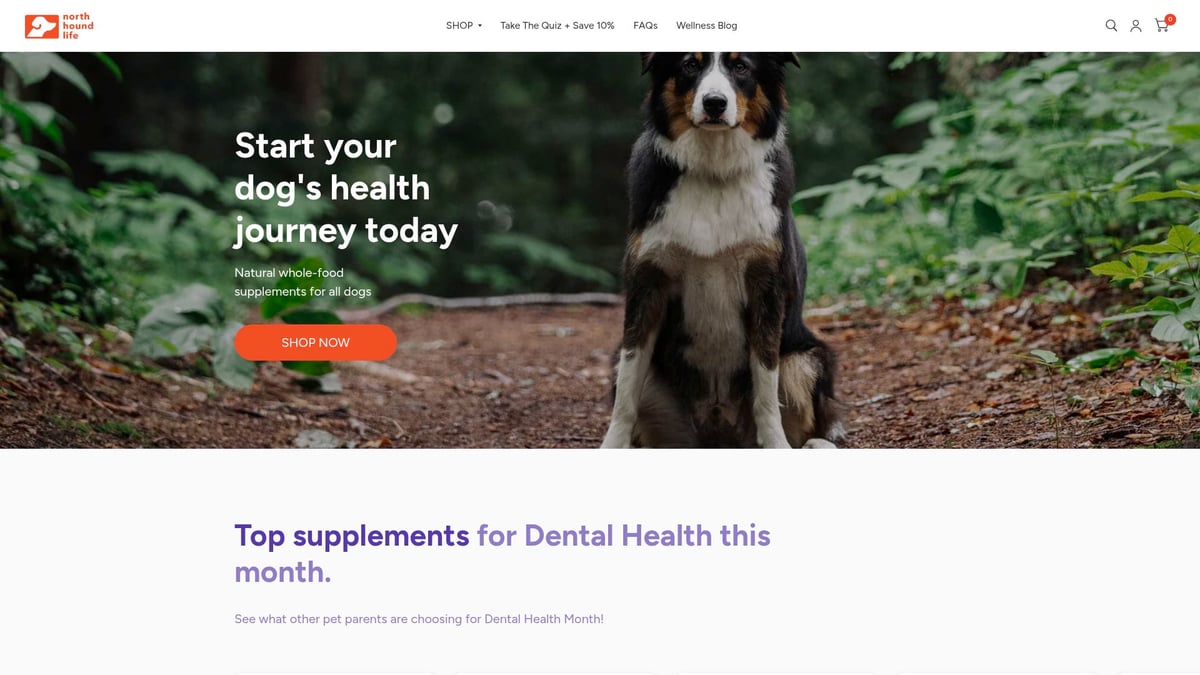
Key benefits include:
- Canadian-sourced, ethically produced ingredients
- No fillers, only human-grade quality
- Eco-friendly packaging
A recent success story involved a small mixed-breed dog who struggled with stiffness. After six weeks on North Hound Life’s Green Lipped Mussel, the owner noticed improved mobility and a shinier coat. Many customers share similar feedback, highlighting visible changes in energy and comfort.
Choosing a trusted, natural omega 3 dog supplement can make all the difference for dogs of every size and age.
Safe Usage and Dosage Guidelines for 2026
Giving your dog the right omega 3 dog supplement can make a world of difference in their health and happiness. But how do you know what’s safe, effective, and tailored to your dog’s needs? Let’s break it down with practical advice and real-life examples, so you can feel confident every step of the way.
Determining the Right Dose for Your Dog
Getting the right amount of omega 3 dog supplement is essential for safety and results. Dosage is usually based on your dog’s weight, with adjustments for breed and health status. For most dogs, the typical recommendation is 75-100mg of combined EPA and DHA per kg of body weight daily.
Here’s a simple table to guide you:
| Dog Size | Weight (kg) | Daily Dose (mg EPA/DHA) |
|---|---|---|
| Small (Terrier) | 5 | 375-500 |
| Medium (Shiba Inu) | 15 | 1125-1500 |
| Large (Bernese) | 35 | 2625-3500 |
Always consult your vet before starting a new supplement, as some dogs need more or less. Under-dosing might not show benefits, while overdosing can cause side effects. For the latest research-backed advice, check out Exploring the Efficacy and Optimal Dosages of Omega-3 Supplementation for Companion Animals.
Step-by-Step Guide: Introducing Omega 3 to Your Dog’s Diet
Starting your dog on an omega 3 dog supplement is a journey. Here’s a simple plan to help you ease them in and watch for positive changes:
- Step 1: Chat with your vet or a canine nutritionist for expert guidance.
- Step 2: Pick a supplement form your dog will enjoy (oil, chew, or topper).
- Step 3: Begin with a low dose, about half the recommended amount, to watch for any reactions.
- Step 4: Gradually increase to the full dose over 1-2 weeks, mixing it into meals.
- Step 5: Track changes in your dog’s coat, energy, and joints over the next month.
For example, a rescue beagle might start with a quarter dose for the first week, then move up as they adjust. This gentle approach with omega 3 dog supplement helps avoid tummy upsets and makes the transition smoother for both of you.
Potential Side Effects and How to Avoid Them
Most dogs tolerate omega 3 dog supplement well, but a few may experience mild side effects, especially when starting out. Here’s what to look for:
- Soft stools or mild digestive upset
- Fishy breath
- Rarely, allergic reactions (itching, swelling)
- Unusual bruising or bleeding (very rare)
To reduce risks, always choose high-quality, pure supplements from reputable Canadian brands. Stick to the correct dose for your dog’s size, and watch for any changes after starting the omega 3 dog supplement. If your dog shows serious symptoms or seems unwell, contact your vet right away. Monitoring and slow introduction make side effects less likely.
How Long to See Results?
Patience pays off when using an omega 3 dog supplement. Most owners notice improvements in skin, coat, or mobility within 4-6 weeks of consistent use. Puppies and seniors may take a little longer, while active breeds often respond quickly.
Let’s look at a progress diary: A standard poodle started on omega 3 dog supplement showed shinier fur by week 4, better joint movement by week 6, and more playful energy by week 8. In a recent Canadian survey, 70% of dog owners reported visible changes in under two months.
To maximise benefits, use the supplement daily, pair it with a balanced diet, and keep an eye on your dog’s overall wellness. Celebrate small wins—every positive change means you’re on the right track!
Omega 3 Supplement Forms: Oils, Capsules, Treats, and Food Toppers
Choosing the right omega 3 dog supplement form can make a world of difference for your pup’s health and your daily routine. From fish oils to chews, each option offers unique benefits for different breeds and preferences. Let’s break down the options to help you find the best fit for your canine companion.
Comparing Supplement Delivery Methods
When browsing the Canadian market for an omega 3 dog supplement, you’ll notice oils, capsules, chews, and food toppers. Each has strengths and some challenges, especially when it comes to picky eaters or busy schedules.
| Form | Pros | Cons | Best For |
|---|---|---|---|
| Oils | Easy to mix, fast absorption | Can be messy, some dogs dislike taste | All breeds, flexible |
| Capsules | No taste, easy to dose | Hard for small dogs to swallow | Medium and large breeds |
| Chews/Treats | Tasty, convenient | May have fillers, caloric content | Fussy or small dogs |
| Food Toppers | Whole-food, boosts meal nutrition | May need larger quantities for results | Those wanting natural |
For example, a stubborn dachshund might refuse oil but will happily gobble an omega 3 chew, while an active husky may benefit from a marine-based topper. Algae-derived oils are a promising alternative for dogs sensitive to fish, as shown in the Evaluation of Omega-3 Fatty Acid Supplements from Schizochytrium sp. in Dog Food, offering a sustainable, plant-based option.
Whole-Food vs. Concentrated Omega 3 Supplements
You’ll find omega 3 dog supplement options as both whole-food powders and concentrated oils. Whole-food sources, like North Hound Life’s Green Lipped Mussel powder, provide naturally balanced EPA and DHA, plus extra nutrients. This is ideal for a mixed-breed dog who thrives on a holistic diet.
Concentrated oils, such as those from wild-caught fish or algae, deliver higher omega 3 doses per serving. These are handy when your big Bernese Mountain Dog needs therapeutic levels for joint support. Absorption rates can vary, but both forms show benefits when used consistently.
Canadian brands focus on quality, so you can trust the purity and sourcing of supplements found nationwide. Check the label for the source and ensure it matches your dog’s needs.
Storage, Shelf Life, and Freshness Tips
Proper storage is key to preserving your omega 3 dog supplement. Oils should be kept in airtight glass containers, ideally in the fridge, to prevent oxidation. Powders and whole-food toppers, like those from North Hound Life, stay fresh longer in cool, dry places.
Watch for changes in smell or texture, which signal spoilage. Always use products before their expiry date. For more detailed advice on storage and freshness, visit the Dog Supplement FAQs.
Palatability and Feeding Tips for Different Breeds
If your small Maltese turns up their nose at fishy oils, try mixing the omega 3 dog supplement into wet food or opting for a flavoured chew. For big, active breeds like a German Shepherd, sprinkle a food topper over kibble to boost daily intake.
Experiment with various forms to find what your dog loves. Consistency is key, and most pups adjust quickly to their new supplement routine.
Frequently Asked Questions About Omega 3 for Dogs
Curious about the omega 3 dog supplement and how it supports your furry friend's health? You're not alone! We’ve gathered the most common questions dog owners ask, with clear answers to help you feel confident about your choices.
How Much Omega 3 Does My Dog Need?
The right amount of omega 3 dog supplement depends on your dog's size, age, and health. For a typical 10kg corgi, the recommended daily dose is 75–150mg of EPA and DHA combined. Always check your supplement label for precise content and start at the lower end. Canadian veterinary guidelines advise adjusting for breed and activity level. If you want expert guidance, consult a Canine Nutritionist Expertise for tailored advice on omega 3 dog supplement dosing. Remember, consistency is key for visible results.
Is Omega 3 Safe for Puppies and Senior Dogs?
Yes, the omega 3 dog supplement is generally safe for all life stages when used as directed. For puppies, it helps with brain and eye development, while seniors benefit from joint and cognitive support. For example, border terrier puppies thrive on omega 3-rich diets, and schnauzers show better mobility as seniors. Always introduce any supplement gradually and watch for changes. Puppies and older dogs may need a lower starting dose, so check with your vet if unsure.
Can Omega 3 Help with Allergies and Itchy Skin?
Many owners notice improvements in their dog's skin and comfort after starting an omega 3 dog supplement. Omega 3 reduces inflammation, which helps relieve itching and allergy symptoms. For instance, a French bulldog with seasonal itchiness often finds relief within weeks. Canadian studies show high success rates in reducing scratching and redness. It's best to pair omega 3 with other allergy management steps, like regular baths and a hypoallergenic diet, for maximum comfort.
What Ingredients Should I Look for in a Quality Supplement?
When shopping for an omega 3 dog supplement, check the source: wild-caught fish, green lipped mussel, or algae are excellent. Avoid artificial fillers and unnecessary additives. Look for sustainability certifications and ethical sourcing. Here’s a quick checklist:
| Ingredient | Quality Indicator |
|---|---|
| Fish Oil | Wild-caught, pure |
| Green Lipped Mussel | Ethically sourced |
| Algae Oil | Sustainable, clean |
| Additives | None or minimal |
Reading Canadian supplement labels carefully ensures your dog gets the best. If you have concerns about side effects, review Potential Adverse Effects of Omega-3 Fatty Acids in Dogs and Cats for more details. Always put your dog's wellbeing first.
After learning just how much Omega 3 can do for your dog’s joints, skin, and overall wellbeing, it’s only natural to wonder what the right next step is for your pup. We all want our dogs to thrive at every stage of life, but with so many supplement options out there, choosing the best fit can feel overwhelming. You’re not alone—finding what works for your dog is a journey we’re on together. If you’d like a little extra guidance, try our Supplement Finder For Your Dog to make confident, personalised choices for your furry friend.

