

I still remember the day our veterinarian pointed out the beginnings of tartar on my then three-year-old dog's back molars. I was shocked. I thought dental problems happened to older dogs, not mine. That wake-up call taught me that dogs dental health isn't something that can wait. It's a daily responsibility that profoundly impacts everything from breath to heart health. If you're reading this, you likely already suspect your dog needs better dental care, or you're determined to prevent problems before they start. Either way, you're in the right place.
Why Dogs Dental Health Matters More Than You Think
Dogs dental health is the foundation of whole-body wellness, not just fresh breath. By age three, approximately 80% of dogs show signs of periodontal disease, according to the American Veterinary Medical Association. That's not a small issue.
The mouth is a gateway to the bloodstream. When plaque hardens into tartar and gums become inflamed, bacteria don't stay put. They enter circulation and can affect the heart, liver, and kidneys. Research documented in veterinary literature shows that periodontal disease can shorten a dog's lifespan and reduce quality of life during those years.
The Connection Between Oral Disease and Systemic Health
Chronic dental infection creates a constant burden on your dog's immune system. The Merck Veterinary Manual describes how bacteria from diseased gums release endotoxins that circulate and trigger inflammation in distant organs.
Key systemic impacts include:
- Heart disease: Bacteria can colonize heart valves, leading to endocarditis
- Kidney stress: The kidneys filter bacteria and inflammatory byproducts constantly
- Liver strain: Chronic infection taxes the liver's detoxification pathways
- Pain and behaviour changes: Dental pain is often silent, but it affects appetite, mood, and activity
Your dog won't tell you their mouth hurts. They'll simply stop playing as much, chew on one side, or become irritable. Many owners attribute these changes to aging when the real culprit is dental disease requiring professional intervention.
From our experience at North Hound Life, we've seen how whole-body wellness starts with addressing foundational issues. Supporting your dog's immune system through natural supplements becomes even more important when dental health is compromised, giving their body the resources it needs to manage inflammation and repair.
Recognizing the Signs of Dental Problems in Dogs
Dogs dental health deteriorates gradually, so early detection is everything. You don't need to be a veterinarian to spot warning signs, but you do need to look regularly.
Visual and Behavioural Red Flags
Check your dog's mouth weekly. Gently lift the lips and look at the teeth and gums. Here's what healthy versus concerning looks like:
| Healthy Mouth | Signs of Trouble |
|---|---|
| Pink gums, no swelling | Red, swollen, or bleeding gums |
| White or cream teeth | Yellow or brown tartar buildup |
| No odour or mild doggy breath | Foul, persistent bad breath |
| Eating normally, no pawing at mouth | Dropping food, chewing on one side, pawing at face |
| Smooth tooth surfaces | Broken, chipped, or loose teeth |
Bad breath is not normal. It's often the first sign of bacterial overgrowth. If your dog's breath could knock you over, it's time for a veterinary exam.
Behavioural changes matter too. A dog who suddenly prefers soft food, avoids hard chews, or becomes head-shy when you touch their muzzle may be in pain. Dogs are stoic, so these subtle shifts are your clues.
Stages of Periodontal Disease
Periodontal disease progresses in stages, and understanding them helps you act early:
- Stage 0 (Normal): Clean teeth, healthy pink gums, no plaque
- Stage 1 (Gingivitis): Mild gum inflammation, reversible with cleaning
- Stage 2 (Early Periodontitis): Gum recession begins, <25% attachment loss
- Stage 3 (Moderate Periodontitis): 25-50% attachment loss, bone involvement
- Stage 4 (Advanced Periodontitis): >50% loss, tooth mobility, extraction likely needed
Gingivitis is reversible. Once bone loss occurs, you're managing damage, not reversing it. That's why prevention and early action are non-negotiable.
What Causes Dental Disease in Dogs
Dogs dental health problems stem from plaque, genetics, diet, and care habits. Let's break down each factor so you know what you can control.
Plaque and Tartar Formation
Plaque forms within hours of eating. It's a sticky film of bacteria, saliva, and food particles that coats teeth. If not removed, plaque mineralises into tartar (calculus) within 24 to 48 hours. Tartar is rock-hard and can only be removed by professional cleaning under anaesthesia.
Once tartar builds, it provides a rough surface for more plaque to adhere. The cycle accelerates. Gums pull away, pockets form, bacteria thrive in those pockets, and bone begins to erode.
Genetics and Breed Predisposition
Some breeds are simply more prone to dental issues:
- Small and toy breeds (Yorkies, Chihuahuas, Maltese): crowded teeth, retained baby teeth
- Brachycephalic breeds (Pugs, Bulldogs): misaligned bites and crowding
- Greyhounds and other sighthounds: thinner enamel, higher tartar accumulation
Genetics aren't destiny, but they mean these dogs need more diligent care from puppyhood onward.
Diet and Chewing Behaviour
Dry kibble provides minimal abrasive action. Wet food offers even less. Neither prevents tartar in a meaningful way, despite old myths. What does help is appropriate chewing.
Safe, durable chews encourage mechanical cleaning. The gnawing action scrapes plaque off tooth surfaces. However, not all chews are equal. Bones, antlers, and hard nylon toys can fracture teeth, especially the large upper premolars (called slab fractures). According to the Merck Veterinary Manual, endodontic disease from trauma is common and often requires root canal therapy or extraction.
Choose chews that bend slightly under pressure. The Veterinary Oral Health Council (VOHC) maintains a list of products with evidence backing their dental benefits.
Evidence-Based Home Care for Dogs Dental Health
Home care is where you make the biggest difference. Professional cleanings are essential, but daily habits prevent disease between vet visits.
Toothbrushing: The Gold Standard
Brushing your dog's teeth is the single most effective home-care strategy. A systematic review on home care found that daily brushing significantly reduces plaque and gingivitis compared to no intervention.
How to brush effectively:
- Start slow. Let your dog taste the toothpaste (use canine enzymatic paste, never human) and lick it from your finger.
- Introduce the brush gradually. Touch it to their lips, then gums, over several days.
- Brush the outer surfaces of teeth in gentle circles, focusing on the gum line.
- Aim for 30 seconds per side, daily. Consistency beats duration.
- Reward generously. Make it a positive routine.
You don't need to brush the inner surfaces. Most plaque accumulates on the outer cheek-side teeth. If your dog won't tolerate a brush, try finger brushes, gauze, or dental wipes as a starting point.
Dental Chews and Treats
Clinical studies on dental chews show that certain products reduce calculus and improve gum health. Look for the VOHC seal, which indicates the product met rigorous testing standards.
Effective chew characteristics:
- Texture that flexes but doesn't splinter
- Size appropriate to your dog's weight and jaw strength
- Ingredients you recognize and trust
- Daily use as part of a routine, not occasional treats
Avoid cooked bones (they splinter), very hard antlers, rocks, and ice cubes. If you wouldn't want to hit your own kneecap with it, don't give it to your dog.
Water Additives and Gels
Water additives and oral gels can reduce bacteria and freshen breath, but the evidence is mixed. Some products with the VOHC seal have demonstrated plaque reduction, while others rely more on anecdotal claims. They're a helpful adjunct, not a replacement for brushing.
Professional Dental Cleaning: What to Expect
Even with perfect home care, most dogs benefit from professional cleanings every one to three years, depending on risk factors and breed. Dogs dental health maintenance requires veterinary partnership.
The Anaesthesia Question
Professional cleaning requires general anaesthesia. I know that can be scary, especially for senior dogs. But anaesthesia-free dentistry (often marketed as "safe" alternatives) is ineffective and risky. You cannot properly clean below the gum line or take dental X-rays without anaesthesia, and those are the steps that matter most.
Modern veterinary anaesthesia is remarkably safe. Your vet will perform pre-anaesthetic bloodwork and tailor the protocol to your dog's health status.
What Happens During a Cleaning
A thorough cleaning includes:
- Full oral examination
- Dental X-rays to assess bone and tooth roots
- Scaling to remove tartar above and below the gum line
- Polishing to smooth tooth surfaces
- Irrigation to flush debris
- Extractions if teeth are too diseased to save
Many dogs come home from their first professional cleaning acting like puppies again. That's the relief of pain lifting.
If advanced disease is present, your vet may refer you to a board-certified veterinary dentist. The American Veterinary Dental College can help you locate a specialist if needed.
Dogs Dental Health Across Life Stages
Dental care needs shift as your dog ages. Puppies, adults, and seniors all require different approaches.
Puppies and Young Dogs
Start dental habits early. Puppy teeth fall out, but the routine you establish now shapes lifelong acceptance. Handle your puppy's mouth daily. Brush their baby teeth gently. Introduce safe chews.
Monitor for retained baby teeth. If adult teeth erupt before baby teeth fall out, crowding and tartar accumulation worsen. Small breeds are especially prone. Retained teeth usually require extraction during spay or neuter surgery.
Adult Dogs (1 to 7 Years)
This is when plaque and tartar build in earnest. Brush daily, provide appropriate chews, and schedule annual vet exams with oral assessment. If your vet recommends a cleaning, don't delay. Waiting until the problem is "bad enough" often means irreversible damage has occured.
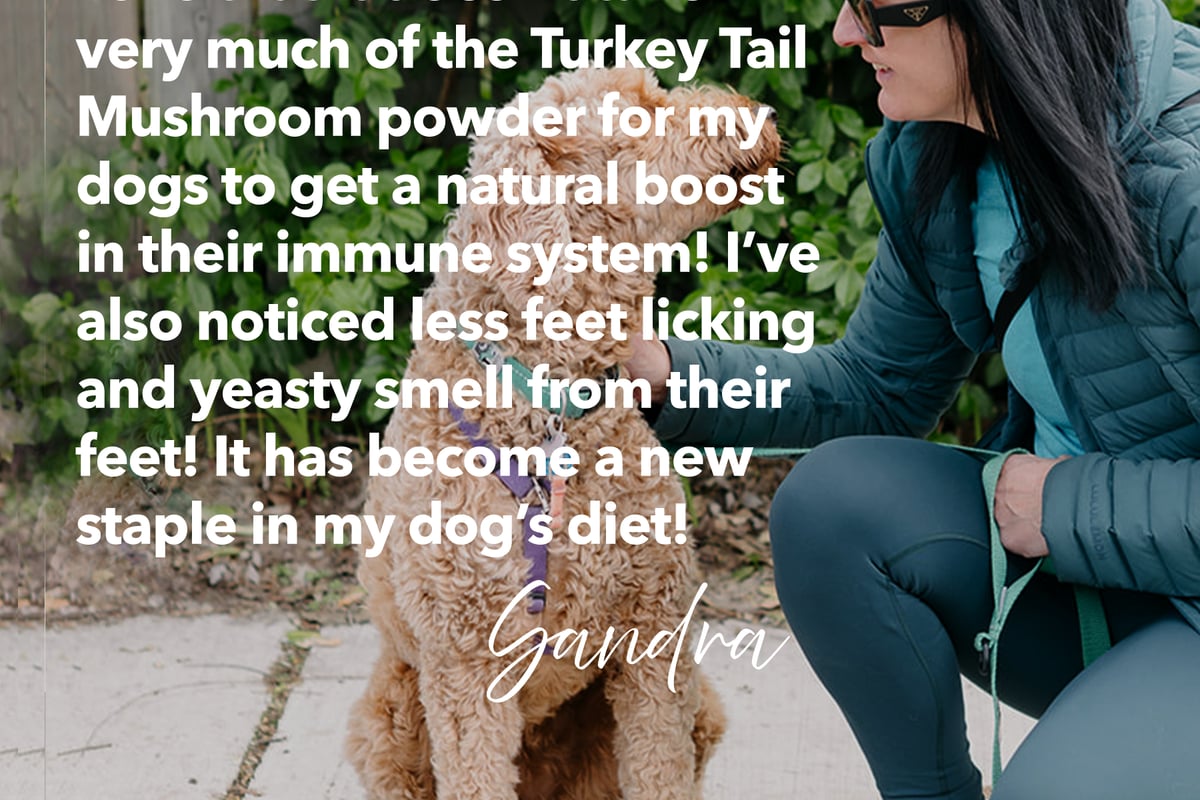
Whole-body support matters too. A robust immune system helps manage oral bacteria. Our Immune Support+, made with 100% organic turkey tail mushroom, is rich in beta-glucans and supports immune function naturally. It pairs well with comprehensive dental care for dogs managing chronic low-grade inflammation.
Senior Dogs (7+ Years)
Senior dogs are at highest risk. Age doesn't cause dental disease, but years of accumulated tartar and bone loss do. Older dogs may also have concurrent health issues (kidney disease, heart murmurs) that complicate anaesthesia decisions.
Work closely with your vet. Bloodwork and cardiac evaluation before cleaning are standard. Even dogs with mild kidney or heart disease can often undergo safe dental procedures with careful monitoring, and the benefits of removing infection far outweigh the risks of leaving it untreated.
Pain management is critical post-cleaning. Extractions are common in seniors, and proper analgesia ensures comfort during healing.
Frequently Asked Questions About Dogs Dental Health
How often should I brush my dog's teeth?
Daily is ideal. At minimum, aim for three to four times per week to disrupt plaque before it hardens into tartar.
Can diet alone keep my dog's teeth clean?
No. While some dental diets with larger kibble and special textures can help reduce tartar, they don't replace brushing or professional cleanings. The World Small Animal Veterinary Association guidelines emphasize that home care must be multi-modal.
Is it too late to start dental care if my dog is older?
It's never too late. Senior dogs can still benefit immensely from professional cleaning and improved home care. You won't reverse bone loss, but you can stop progression and relieve pain.
What's the safest chew for dental health?
Look for products with the VOHC seal and choose size-appropriate options that bend slightly. Avoid anything harder than your dog's teeth.
How do I know if my dog needs a dental cleaning?
Visible tartar, bad breath, red gums, difficulty eating, or behavioural changes all warrant a vet visit. Your vet will assess and recommend cleaning if needed.
Building a Sustainable Dental Care Routine
Consistency is everything. Dogs dental health improves with small, daily actions, not sporadic heroic efforts.
Create a simple routine:
- Morning or evening brushing: pick one time and stick to it
- Weekly mouth checks: lift lips, look for changes
- Daily dental chews: after meals or as part of evening wind-down
- Annual vet exams: don't skip them, even if your dog seems fine
Make it enjoyable. Use high-value rewards, keep sessions short, and never force it. A calm, positive experience builds cooperation over time.
From our experience, the clients who see the best long-term results are those who view dental care as part of their dog's overall wellness plan. It's not separate from nutrition, exercise, or immune support. It's integrated into daily life, just like feeding or walking. And when one piece of the health puzzle is neglected, the others suffer too.
When to Seek Specialist Care
Most general-practice veterinarians handle routine dental cleanings and extractions. But some cases require advanced expertise.
Refer to a veterinary dentist if your dog has:
- Fractured teeth with exposed pulp (these need root canal or extraction)
- Jaw fractures or oral tumours
- Orthodontic issues causing pain or difficulty eating
- Persistent oral infections despite treatment
- Complex extractions involving bone removal
Board-certified specialists have additional years of training and access to advanced imaging and surgical techniques. Don't hesitate to ask your vet for a referral if your dog's case is complicated.
Supporting Whole-Body Health Alongside Dental Care
Dogs dental health doesn't exist in isolation. The same inflammation driving gum disease can affect joints, skin, and immune function. A holistic approach addresses multiple systems.
At North Hound Life, we've always believed that real wellness comes from supporting the body's natural defenses with whole-food nutrition. When your dog's mouth is healthy, their immune system has one less battle to fight. And when their immune system is robust, they're better equipped to manage the bacteria that constantly challenge oral health.
Not sure where to start with supplements that complement your dog's dental care routine? Our free supplement quiz takes just a few minutes and recommends the products that fit your dog's unique needs, age, and wellness goals. It's personalized guidance without the guesswork.
Dogs dental health is one of the most overlooked yet impactful aspects of canine wellness, but it's never too late to start making a difference. Daily brushing, safe chews, regular vet exams, and professional cleanings when needed will protect your dog's teeth, gums, and whole-body health for years to come. At North Hound Life, we're here to support every aspect of your dog's vitality with natural, whole-food supplements that work alongside the care you already provide.

