

Is your dog's health at the top of your priorities for 2026? More pet owners are discovering that a healthy dog good lifestyle brings joy, longevity, and a stronger bond with their furry companions.
In this expert guide, we reveal the latest Canadian science-backed strategies to help your dog thrive. From nutrition and exercise to preventative care, mental wellbeing, and trusted product recommendations, you'll find practical steps for every breed and age.
Let’s make 2026 the year we give every pup the chance to live their happiest, healthiest life together.
The Foundations of a Healthy Dog in 2026
Keeping a healthy dog good in 2026 means understanding that every dog is unique. Today, we recognise that a Boston Terrier puppy in a busy Toronto flat has completely different needs from a senior Great Dane enjoying retirement in rural Quebec. Urban living brings challenges like noise and limited green space, while rural life offers open air but can lack social opportunities. Owners’ lifestyles, from active young professionals to elderly caregivers, also play a big part in shaping daily routines. By tuning into these differences, we set the stage for a truly healthy dog good life.
Understanding Modern Canine Health Needs
Our knowledge of canine wellness keeps evolving. A healthy dog good approach now means considering not just age, but breed and environment. Puppies, such as Miniature Schnauzers, need more play and growth support, while senior Dobermans may need gentle walks and joint care. City dogs, like French Bulldogs, face air quality and noise, while rural Irish Wolfhounds benefit from space but need socialisation. Owners’ routines, from busy families to single seniors, shape what’s possible. Recognising these layers helps us meet every dog’s unique requirements for a healthy dog good lifestyle.
Key Pillars: Nutrition, Exercise, Mental Health, Preventative Care
A healthy dog good life depends on four pillars:
| Pillar | Benefit | Example |
|---|---|---|
| Nutrition | Fuels growth, immunity, energy | Whole-food diets |
| Exercise | Prevents obesity, builds strength | Border Collie agility |
| Mental Health | Reduces anxiety, boosts happiness | Puzzle toys for Shih Tzu |
| Preventative Care | Stops illness before it starts | Regular vet visits |
A Pug may need short walks and careful treats, while a Border Collie thrives on daily runs and brain games. All four pillars support a healthy dog good journey, no matter the breed or age.
Common Health Challenges in 2026
In 2026, more dogs face allergies and sensitivities, making a healthy dog good routine essential. Around 56 percent of Canadian dogs are overweight, especially small breeds with easy access to treats. Large breeds, like Bernese Mountain Dogs, often struggle with joint pain. Mental health is also a focus, as separation anxiety rises after pandemic routines changed. Recognising these challenges, and acting early, helps every owner keep their healthy dog good and thriving through all life stages.
The Role of Genetics and Environment
A healthy dog good approach includes understanding genetics and environment. Some breeds, like Dachshunds, are prone to back problems, while Shih Tzus may have eye issues. Urban dogs face different environmental risks, such as pollution, compared to rural dogs who enjoy fresh air but may encounter wildlife. Early-life nutrition and positive experiences can even influence genes through epigenetics. By considering both inherited traits and daily surroundings, we give our dogs the best shot at a healthy dog good future.
Case Study: Real-Life Success Stories
Let’s meet two Canadian families on their healthy dog good journey. The Johnsons, a Black family in Montreal, switched their Shih Tzu to a whole-food diet and saw her coat shine and energy soar. Mei, a senior Asian woman, used holistic care and gentle exercise for her Doberman, easing his arthritis and boosting his spirit. These real-life stories, supported by Reviews from Pet Parents, show how diverse owners and breeds can thrive with a healthy dog good mindset, leading to visible, lasting results for their beloved companions.
Advanced Canine Nutrition: Feeding for Optimal Health
Nutrition is the cornerstone of a healthy dog good lifestyle in 2026. As our understanding of canine wellness grows, pet parents are seeking fresh ways to fuel their companions with Canadian-sourced, science-backed meals. Let’s explore how to feed your dog for optimal health, energy, and happiness—no matter their age, breed, or background.
Whole-Food Diets and Ingredient Transparency
Choosing a whole-food diet is one of the most powerful steps toward a healthy dog good routine. More Canadians are reading labels, looking for meals rich in real, minimally processed meats, vegetables, and fruits. Canadian-sourced proteins like turkey or salmon, paired with local blueberries and carrots, are favourites.
Avoid foods with mystery fillers or artificial colours. Instead, opt for brands that clearly list every ingredient. Transparency matters, especially for dogs with sensitivities. If you’re considering raw feeding, Canadian resources can help you compare options and build balanced, safe meals. A healthy dog good approach always starts with what’s in the bowl.
Customising Nutrition by Life Stage and Breed
No two dogs are the same, and a healthy dog good diet must adapt as your companion grows and ages. Puppies, like energetic Pekingese or Huskies, require higher protein and fat for development, while seniors, such as gentle Irish Wolfhounds or Dachshunds, need joint support and fewer calories.
Breed size also shapes nutritional needs. Small breeds often need calorie-dense meals, while large breeds benefit from joint-friendly nutrients. Portion control is vital. Use a kitchen scale and feeding chart to avoid overfeeding. For tailored advice, consider a Canine Nutrition Consultation with a Canadian expert.
Navigating Food Sensitivities and Allergies
A healthy dog good plan means staying alert to signs of allergies or sensitivities. Common symptoms include itchy paws, upset stomach, or constant scratching. These issues are on the rise across Canada, especially in urban environments.
Hypoallergenic diets with novel proteins, like duck or venison, can soothe many dogs. Canadian brands now offer a wide range of allergy-friendly recipes. Always introduce new foods gradually and watch for changes. If your dog struggles with chronic symptoms, professional nutrition support can make all the difference to their healthy dog good journey.
The Role of Supplements in 2026
Supplements are now a staple in many Canadian homes, supporting a healthy dog good lifestyle. Recent surveys show 68% of owners use supplements for joint health, immunity, or digestion. Choosing reputable, natural products is key.
Look for supplements made with whole-food ingredients and no artificial fillers. Joint support chews, omega-3 oils, and probiotics are popular choices for both small breeds like Bostons and big dogs like Bernese Mountain Dogs. Always consult your vet before starting new supplements, ensuring they fit your healthy dog good plan.
North Hound Life: Natural Supplements for All Life Stages
North Hound Life, a Canadian company, offers whole-food supplements crafted for every dog’s needs. Their products use ethically sourced, human-grade ingredients—perfect for any healthy dog good routine. Popular choices include Joint Health, Digestive Health, and Immune Support blends.
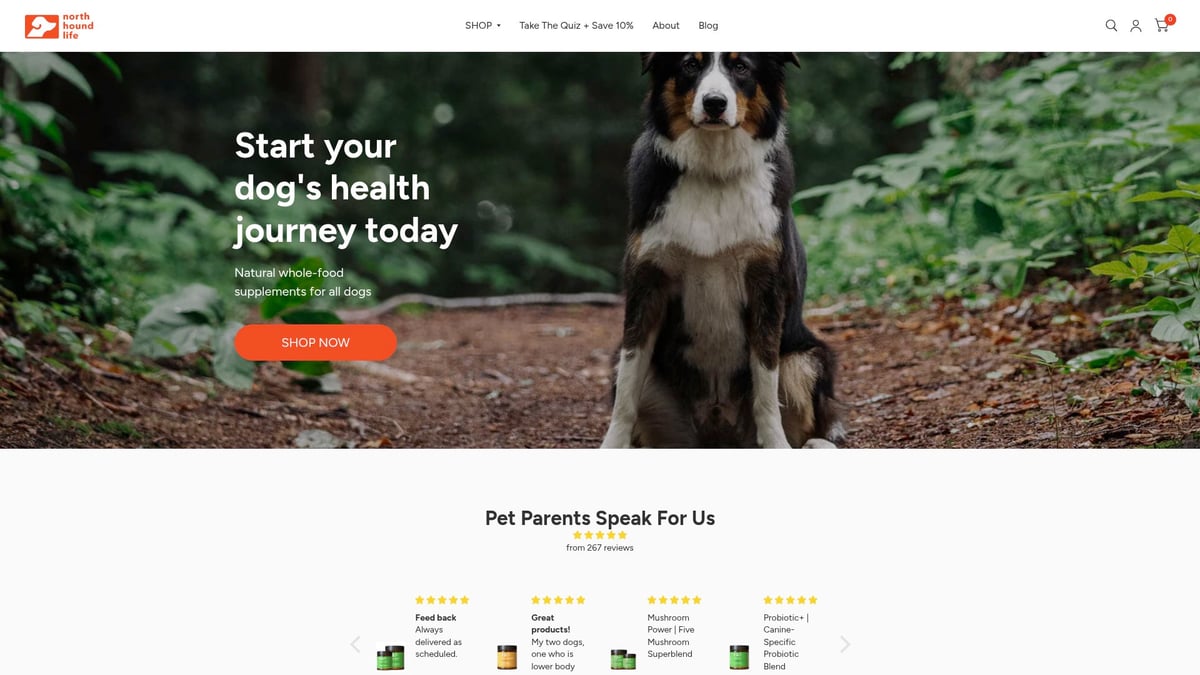
These supplements fit seamlessly into raw, kibble, or home-cooked diets. Owners rave about improved coats and energy in small dogs like Pugs and large breeds like Dobermans. North Hound Life’s commitment to quality makes them a trusted choice for those building a healthy dog good lifestyle.
Hydration and Healthy Treats
Proper hydration is vital for a healthy dog good life. Always provide fresh water, especially for active breeds or during warm Canadian summers. For picky drinkers, try adding a splash of low-sodium broth to encourage intake.
When it comes to treats, choose low-calorie, nutrient-rich options like freeze-dried meats or local Canadian blueberries. Avoid high-sugar, high-fat snacks that can undermine your healthy dog good goals. With mindful choices, treats become a tool for training and bonding, not just empty calories.
Exercise and Enrichment: Keeping Your Dog Active and Engaged
A healthy dog good routine is about much more than daily walks. In 2026, we know that exercise and mental stimulation are vital for your dog’s body and mind. Let’s explore how you can keep your dog happy, fit, and full of life, no matter their age, breed, or where you call home.
Daily Movement: Tailoring Activity to Your Dog
Every healthy dog good plan starts with movement that matches your dog's needs. Small breeds like Miniature Schnauzers and Pekingese often love several short walks, while big dogs such as Boxers or Bernese Mountain Dogs thrive with longer treks and more open space.
Here’s a quick comparison:
| Breed Type | Recommended Daily Activity |
|---|---|
| Miniature Schnauzer | 2-3 short walks, indoor play |
| Pekingese | Gentle strolls, puzzle toys |
| Boxer | 1-2 long walks, fetch, running |
| Bernese Mountain Dog | Hiking, swimming, interactive games |
Many Canadian owners are embracing new routines as reported by the Canadian Pet Population Survey 2024, showing a rise in pet wellness awareness. The right activity helps your healthy dog good journey begin with a wagging tail.
Enrichment Beyond Walks
Physical exercise is just one part of a healthy dog good lifestyle. Mental stimulation is equally important. Dogs of all sizes benefit from enrichment activities like:
- Puzzle toys that challenge their minds
- Scent work, such as hiding treats around the home
- Agility courses for energetic breeds
- Socialisation with other dogs in safe spaces
Agility and scent work are great for active breeds like Dobermans or Border Collies, while even a gentle Shih Tzu enjoys a sniffing game or food puzzle. Engaging your dog’s brain keeps boredom at bay and supports a healthy dog good approach every day.
Adapting to Urban and Rural Environments
Where you live shapes your healthy dog good experience. City dogs might enjoy creative indoor games, dog-friendly cafes, or fenced parks for safe play. For rural dogs, hiking through Canadian forests, swimming in lakes, or off-leash runs are perfect.
If you have limited mobility, there are still plenty of ways to nurture your dog’s wellbeing:
- Tug-of-war or fetch from a seated position
- Food-dispensing toys for solo play
- Short, frequent outings to nearby green spaces
Every healthy dog good routine can be adapted to your lifestyle, making exercise accessible for everyone.
The Importance of Routine and Variety
Dogs thrive on routine, but variety keeps them excited about their healthy dog good lifestyle. Try creating a simple weekly planner:
| Day | Activity Ideas |
|---|---|
| Monday | Neighbourhood walk, puzzle toy |
| Tuesday | Indoor scent game, gentle play |
| Wednesday | Dog park visit, fetch |
| Thursday | Agility practice, cuddle time |
| Friday | Hiking or long walk |
| Saturday | Socialisation with friends |
| Sunday | Rest day, massage, enrichment toy |
A young Black couple in Toronto with a lively Pomeranian found that mixing up activities helped reduce barking and destructive chewing. Their healthy dog good routine made both pet and owners happier.
Signs of Over- or Under-Exercising
It’s important to notice how your dog responds to their healthy dog good plan. Signs of over-exercising include limping, excessive panting, or reluctance to move. Under-exercised dogs might show hyperactivity, boredom, or unwanted behaviours.
Adjust your routine if you spot these signs:
- Reduce activity for older or arthritic dogs
- Increase gentle movement for sedentary pets
- Always seek veterinary advice if unsure
A healthy dog good approach means tuning in to your dog’s individual needs and being flexible as they grow and change.
Preventative Care and Veterinary Advances in 2026
Keeping your dog happy and healthy in 2026 means embracing both trusted routines and exciting new tools. Preventative care is the heart of the healthy dog good approach, helping dogs of all breeds and ages thrive. Let’s explore how annual check-ups, dental care, parasite prevention, and veterinary technology are shaping the future for our furry family members.
Annual Check-Ups and Early Detection
Regular veterinary visits are the backbone of a healthy dog good routine. In 2026, these check-ups go beyond basic exams. Vets now use advanced screening tools like genetic tests and early arthritis detectors. These help catch hidden issues before they become serious.
Vaccination schedules are also evolving to match new health risks. Whether your dog is a playful Boston Terrier puppy or a wise old Newfoundland, tailored care keeps them strong. Annual check-ups set the stage for a long, energetic life together.
Dental Health: The Overlooked Essential
Did you know that 80 percent of adult dogs in Canada face dental disease? Dental care is crucial for a healthy dog good lifestyle, no matter your dog’s size or age. Ignoring teeth can lead to pain, infection, or even heart problems.
Home routines like brushing and dental chews make a huge difference. Canadian-made options, such as natural chews or gels, are gentle and effective. For stubborn plaque, vets now offer non-invasive cleanings that are safe for even the most anxious Pekingese or Irish Wolfhound.
Parasite Prevention and Seasonal Health
Protecting your dog from fleas, ticks, and heartworm is more important than ever for a healthy dog good plan. Canadian climates bring unique seasonal challenges, with ticks spreading further north and allergy seasons lasting longer.
Choose the right preventative—natural oils or pharmaceutical treatments—based on your dog’s needs. Don’t forget about seasonal allergies, especially in urban areas with high pollen. Watch for itching or sneezing in your Bernese Mountain Dog or Miniature Schnauzer, and talk to your vet about tailored solutions.
Advances in Veterinary Technology
Veterinary care in 2026 is smarter and more accessible than ever. Telemedicine lets you consult vets from your living room, while wearable health trackers monitor your dog’s activity and sleep. Minimally invasive surgeries mean faster recovery for dogs like Dobermans and Shih Tzus.
For those interested in the latest breakthroughs, Advances in Veterinary Technology 2026 highlights tools transforming how we care for our pets. These innovations make the healthy dog good journey easier for busy families and seniors alike.
Building a Preventative Care Plan
Personalising a healthy dog good plan starts with your dog’s breed, age, and lifestyle. Use digital health apps to track check-ups, vaccinations, and reminders. Multigenerational Canadian families often share care, so keeping records in one place helps everyone stay informed.
Set up routines for regular dental, vet, and parasite care. Include mental enrichment and gentle exercise. As your dog ages or your life changes, adjust their plan to keep them happy and healthy every step of the way.
Mental Wellbeing and Emotional Health
A healthy dog good lifestyle goes beyond physical wellness, reaching into the heart of your dog's mind and emotions. In 2026, supporting mental wellbeing is as vital as nutrition or exercise. Just like us, dogs thrive when their emotional needs are met, and by recognising their feelings, we can help them live happier, more balanced lives.
Recognising Stress and Anxiety in Dogs
Spotting the signs of stress is the first step toward a healthy dog good mindset. Dogs show anxiety in many ways, such as pacing, barking, or chewing furniture. Some, like Chihuahuas and Cocker Spaniels, are especially sensitive to changes.
Triggers range from loud noises and separation to shifts in routine. After the pandemic, more dogs struggle with being alone. Technology has stepped in, with new diagnostic tools highlighted in the AI-Powered Veterinary Diagnostics Market Report 2025 helping vets identify mental health concerns faster. Recognising these signals early can make all the difference for a healthy dog good experience.
Techniques for Calming and Enrichment
Creating a calm environment is key to a healthy dog good routine. Calming supplements from Canadian brands, pheromone diffusers, and even gentle massage can soothe anxious dogs. For some, music therapy or a quiet, safe space makes a world of difference.
Training for resilience helps dogs build confidence. Try puzzle toys or scent games to offer mental stimulation and keep boredom at bay. Every breed, from a lively Pomeranian to a senior Doberman, benefits from enrichment. Consistency and patience go a long way towards a healthy dog good outcome.
Socialisation and Positive Relationships
Socialising your dog is vital for a healthy dog good lifestyle. Early exposure to new people, dogs, and environments builds confidence and reduces fear. In diverse Canadian communities, multicultural playgroups allow dogs to meet friends of all sizes, breeds, and backgrounds.
Adult dogs also benefit from ongoing social time. Arrange safe, supervised meetups in city parks or rural fields. For smaller breeds like Boston Terriers or seniors like Shih Tzus, gentle introductions work best. Remember, a healthy dog good life is built on positive, trusting relationships.
Supporting Dogs Through Life Changes
Life changes can unsettle even the calmest dog, but a healthy dog good approach helps them adjust. Prepare your dog for moves, new family members, or the loss of a companion by sticking to routines and offering extra comfort.
Professional trainers or behaviourists can guide you through tough transitions. Take the example of an elderly Indigenous man in British Columbia, whose rescued mixed breed found reassurance in daily walks and gentle encouragement after retirement. With understanding and support, every dog can navigate change and continue living a healthy dog good life.
Step-by-Step Guide: Creating a Healthy Dog Routine for 2026
Building a healthy dog good routine in 2026 means taking a holistic, step-by-step approach that fits your dog’s unique needs. By following these practical steps, you can lay the foundation for a long, happy, and active life for your canine companion, no matter their age, breed, or your own lifestyle.
Step 1: Assess Your Dog’s Unique Needs
Every healthy dog good routine starts with understanding what makes your dog special. Consider their age, breed, health status, and your day-to-day life. For example, a senior Basset Hound owned by a young South Asian woman will need different care than a lively Boxer puppy raised by a retired couple.
Set up a comprehensive check-up with your veterinarian to get a full picture of your dog’s health. Discuss breed-specific risks, necessary tests, and lifestyle factors like city versus rural living. Don’t forget to ask about any early signs of allergies or mobility issues.
Take notes on your dog’s energy, appetite, and behaviour. This baseline will help you adjust their routine as they grow or as your circumstances change. Remember, a healthy dog good approach is always tailored, not one-size-fits-all.
Step 2: Build a Balanced Nutrition Plan
A healthy dog good diet is crucial for lifelong wellness. Choose high-quality food that matches your dog’s age, size, and health needs. For instance, a Boston Terrier may thrive on smaller kibble or gently cooked meals, while an Irish Wolfhound will need controlled calcium and protein for joint support.
Consider incorporating Canadian-made supplements, such as those from North Hound Life, to address specific needs like digestion or joint health. If you’re interested in raw or whole-food diets, explore Raw Feeding Resources for guidance on safe, balanced options.
Plan meals ahead, create a feeding schedule, and monitor your dog’s weight regularly. Adjust portions based on activity and life stage. Healthy treats, like freeze-dried meats or local blueberries, can keep things exciting without excess calories.
Step 3: Design a Daily Exercise and Enrichment Schedule
Keeping a healthy dog good means balancing physical and mental activity. Tailor exercise to your dog’s abilities – a Shih Tzu might enjoy gentle walks and indoor play, whereas a Doberman could benefit from longer hikes or agility training with their senior owner.
Mix up activities to prevent boredom. Try scent games, puzzle toys, or weekend adventures in local parks. Create a simple weekly planner to track walks, playtime, and new experiences.
Watch for signs of fatigue or stress, like limping or excess barking. Adjust intensity as needed and celebrate small wins, like your Pomeranian mastering a new trick or your Irish Wolfhound enjoying a peaceful swim.
Step 4: Implement Preventative and Mental Health Strategies
A healthy dog good routine also includes proactive health and emotional care. Schedule regular vet check-ups and dental cleanings to catch issues early. Use digital reminders or apps to keep track of vaccinations and appointments.
For mental wellbeing, build daily rituals – quiet time with calming music, gentle massage, or interactive toys. Support your dog through changes, such as moving house or welcoming a new family member, with patience and positive reinforcement.
Adapt routines as your dog ages or your own life shifts. Reach out to trainers or behaviourists if you notice anxiety or new challenges. With thoughtful planning and support, every dog – from playful puppies to cherished seniors – can thrive in 2026.

We’ve covered a lot together in this guide, from nutrition and exercise to mental wellbeing and preventative care—all so you can help your dog thrive in 2026 and beyond. As you start putting these tips into action, you might be wondering which natural supplements can best support your dog’s unique needs at every stage of life. You’re not alone—we all want to make the best choices for our furry companions. If you’d like a little extra help choosing the right supplement, try the Supplement Finder For Your Dog. It’s a friendly and simple way to get tailored recommendations for your pup.

