

That moment of panic when you realize your dog ate a sock is something far too many of us have experienced. You're folding laundry, turn your back for thirty seconds, and suddenly your mischievous pup has turned a missing sock into a medical emergency. I've fielded hundreds of these calls and messages over the years at North Hound Life, and I want you to know this is serious, but you're not alone, and we're going to walk through exactly what you need to do right now.
Why Dogs Eat Socks (And Why It's So Dangerous)
Dogs explore the world with their mouths, and socks carry our scent more intensely than almost any other household item. That comforting smell of their favourite human makes socks irresistible to many dogs, especially puppies and young adults still learning what is and isn't food. But unlike a piece of kibble, a sock won't break down in your dog's digestive system.
Here's what makes sock ingestion particularly risky:
- Socks are made of fabric that doesn't digest or dissolve in stomach acid
- They can bunch up and create a blockage at any point along the GI tract
- The stretchy material can wrap around the intestines (called a linear foreign body)
- Even small socks can cause complete obstructions in medium and large dogs
- Partial blockages may take days to show symptoms, leading to delayed treatment
According to Cornell University's veterinary research on gastrointestinal foreign-body obstruction, textiles like socks are among the most common non-food items requiring surgical removal in dogs. The statistics aren't comforting: without intervention, a complete obstruction can be fatal within 3-7 days.
The First Hour: Immediate Actions When Your Dog Ate a Sock
Time matters enormously here. If you witnessed your dog swallow the sock within the last hour or two, call your veterinarian or emergency clinic immediately. Many vets can induce vomiting in-clinic if the sock is still in the stomach, which is far simpler and safer than waiting for it to travel further down the digestive tract.
Do not attempt to induce vomiting at home without veterinary guidance. Hydrogen peroxide can cause severe gastric irritation, and if the sock has already moved into the intestines, vomiting won't help and may cause additional trauma.
| Time Since Ingestion | Recommended Action | Why It Matters |
|---|---|---|
| 0-2 hours | Call vet immediately for possible induced vomiting | Sock likely still in stomach; easiest to retrieve |
| 2-12 hours | Emergency vet visit for assessment and imaging | Sock may be moving through GI tract; monitor closely |
| 12+ hours or unknown | Emergency vet visit; expect X-rays or ultrasound | Higher obstruction risk; symptoms may emerge soon |
From our experience at North Hound Life, the dogs who fare best are the ones whose owners act quickly and don't adopt a "wait and see" approach. I know emergency vet visits are expensive, but this is truly one of those times when early intervention can prevent a far more costly surgery and, more importantly, save your dog's life.
Warning Signs: Symptoms That Your Dog Has an Obstruction
Not every dog shows symptoms immediately after swallowing a sock. Some dogs act completely normal for 24-48 hours before the blockage causes noticeable problems. That's what makes this situation so tricky and why my dog ate a sock scenarios require veterinary assessment even when your pup seems fine.
Watch for these red-flag symptoms:
- Vomiting (especially repeated vomiting or inability to keep water down)
- Loss of appetite or complete refusal to eat
- Lethargy and unusual tiredness
- Abdominal pain (hunched posture, whining when belly is touched, reluctance to move)
- Straining to defecate or producing only small amounts of diarrhea
- Distended or bloated abdomen
- Drooling or signs of nausea
Any combination of these symptoms requires immediate emergency veterinary care. According to the Merck Veterinary Manual's guidance on gastrointestinal obstruction, complete obstructions can lead to tissue death, perforation, and sepsis within days if left untreated.
What Happens at the Vet: Diagnosis and Treatment Options
Your veterinarian will likely start with a physical examination and abdominal palpation, feeling for masses, pain, or unusual firmness in the belly. But socks don't always show up clearly on standard X-rays because fabric isn't radiopaque (it doesn't block X-rays the way bones or metal do).
Research on imaging for GI foreign bodies shows that radiography may reveal indirect signs like gas patterns, dilated intestinal loops, or abnormal organ positioning, but ultrasound is often more sensitive for detecting soft tissue foreign bodies like socks. Some clinics may use contrast studies (having your dog swallow barium before X-rays) to highlight obstructions.
Treatment paths typically include:
- Induced vomiting (if caught very early and sock is still in stomach)
- Endoscopic retrieval (using a scope to grab and remove the sock through the mouth)
- Medical management (IV fluids, anti-nausea medication, careful monitoring to see if sock passes naturally)
- Surgery (exploratory laparotomy to open the abdomen and remove the sock)
A peer-reviewed case series on foreign body removal found that endoscopic retrieval succeeded in about 60% of cases where objects were still in the stomach or upper intestine, but surgery was necessary for most intestinal obstructions. The good news? With prompt surgical intervention, survival rates exceed 90%.
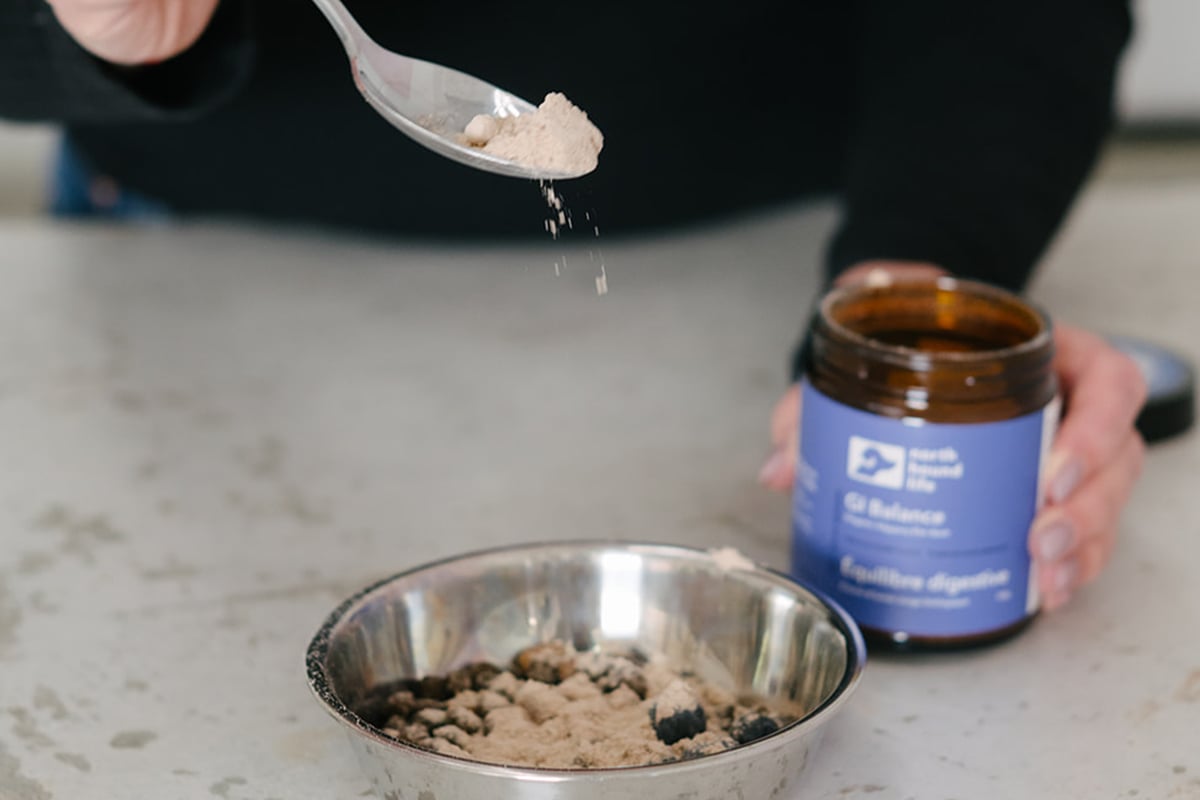
If your dog's digestive system has been stressed by a foreign body incident, gentle support during recovery is crucial. Many dogs experience temporary digestive upset even after successful sock removal, and that's when natural gut support can make a real difference. Our GI Balance slippery elm powder forms a soothing coating on the stomach and intestinal lining, helping comfort irritated tissue while your dog heals.
The Recovery Period: What to Expect After Treatment
Whether your dog passed the sock naturally, had it removed endoscopically, or required surgery, the recovery period demands close attention. Post-surgical dogs typically need 10-14 days of restricted activity, pain medication, and a bland diet to allow intestinal incisions to heal properly.
Your vet will likely recommend:
- Small, frequent meals of easily digestible food (boiled chicken and rice, or a prescription GI diet)
- Restricted exercise (short leash walks only, no running or jumping)
- An Elizabethan collar to prevent licking at incisions
- Antibiotics if there was intestinal perforation or contamination
- Follow-up examination to ensure healing is progressing normally
Even dogs who pass socks naturally or have them removed without surgery may experience temporary diarrhea, reduced appetite, or mild abdominal discomfort for several days. Monitor stool quality carefully and report any blood, persistent diarrhea, or return of vomiting to your vet immediately.
From our experience working with thousands of dog parents through recovery periods, patience is your greatest asset here. Don't rush back to normal food or activity levels. Your dog's intestines have been through trauma, and gentle support gives them the best chance to heal completely.
Prevention Strategies: Keeping Socks Away from Your Dog
After you've survived one my dog ate a sock crisis, the last thing you want is a repeat performance. Prevention requires a combination of environmental management, training, and understanding your individual dog's quirks and triggers.
Household Management Tips
| Strategy | Implementation | Best For |
|---|---|---|
| Closed hampers | Use lidded laundry baskets in every room | All dogs, especially unsupervised dogs |
| Laundry room doors | Keep doors closed; install baby gates if needed | Dogs with free-roam access |
| Immediate pickup | Never leave socks on floors, beds, or furniture | Puppies and opportunistic chewers |
| Drawer/closet discipline | Keep bedroom storage closed and latched | Clever dogs who can open doors |
| Designated sock zone | One high place for removing/storing socks daily | Forgetful humans (that's most of us!) |
The American Kennel Club's guidance on preventing household ingestion hazards emphasizes that management is always easier than training. You're working against instinct when you ask a dog to ignore something that smells like their beloved human, so making socks physically inaccessible is your most reliable strategy.
Training and Enrichment
Beyond environmental controls, teaching a solid "leave it" and "drop it" cue can be lifesaving. Practice these commands daily with treats and gradually work up to high-value items (though I'd still use a toy rather than an actual sock for training).
Address the underlying needs:
- Boredom often drives destructive chewing; increase mental stimulation through puzzle feeders and training games
- Anxiety may lead dogs to seek comfort items that smell like us; work with a trainer or veterinary behaviorist
- Teething puppies need appropriate chew outlets; provide plenty of safe, engaging chew toys
- Some dogs have pica (compulsive eating of non-food items); this requires veterinary and behavioral intervention
If your dog ate a sock despite your best prevention efforts, don't beat yourself up. Dogs are incredibly quick and opportunistic. Learn from the incident, tighten your systems, and move forward with better safeguards in place.
Frequently Asked Questions
How long does it take for a dog to pass a sock?
If a sock is going to pass naturally, it typically takes 24-72 hours to appear in stool. However, many socks cause obstructions and won't pass without veterinary intervention. Never wait more than 24 hours without vet assessment if your dog swallowed a sock.
Can a dog poop out a sock?
Small socks may pass through large dogs without obstruction, but this is unpredictable and risky. Even if part of a sock appears in stool, the remainder might still be causing a partial blockage. Always consult your vet rather than hoping for natural passage.
What size dog can pass a sock?
Size isn't the only factor; the sock's size, material, and how it bunches in the intestines all matter. Even large breed dogs can develop life-threatening obstructions from socks. There's no safe size combination, and veterinary assessment is always necessary.
Will my dog be okay if he ate a sock?
With prompt veterinary care, most dogs survive sock ingestion, even if surgery is required. The prognosis worsens significantly if treatment is delayed and complications like perforation or sepsis develop. Early intervention is critical for good outcomes.
How much does sock removal surgery cost?
Emergency foreign body surgery typically ranges from $1,500 to $5,000 CAD (or $1,100 to $3,700 USD) depending on complexity, complications, and your location. This usually includes pre-surgical imaging, anesthesia, surgery, hospitalization, and immediate post-op care. Pet insurance often covers foreign body removal if it's not a pre-existing condition.
Long-Term Gut Health After Foreign Body Incidents
Once your dog has recovered from a my dog ate a sock episode, supporting long-term digestive health becomes a priority. The stress of obstruction, anesthesia, antibiotics, and dietary changes can disrupt the delicate balance of gut bacteria that supports digestion, immunity, and overall wellness.
Probiotic support can be particularly valuable during and after recovery. A quality canine-specific probiotic helps recolonize the gut with beneficial bacteria, supports stool quality, and aids the intestinal lining in healing. Look for products with strains specifically isolated from healthy dogs, as these are better adapted to the canine digestive environment than human probiotic strains.
Consider these long-term supportive measures:
- Gradual transition to a high-quality, easily digestible diet
- Probiotic supplementation for at least 4-6 weeks post-recovery
- Avoiding sudden diet changes that can stress recovering intestines
- Regular veterinary check-ups to monitor for any lingering issues
- Continued prevention strategies to avoid repeat incidents
From my years of experience supporting dogs through digestive challenges at North Hound Life, I've seen how the right nutritional support can make recovery smoother and more complete. Dogs who receive gut-focused care during the weeks after a foreign body incident tend to return to normal digestion faster and with fewer lingering sensitivities.
For more guidance on supporting your dog's overall wellness through whole-food nutrition, explore our natural dog health resources where we share evidence-based information on everything from digestive support to joint health.
When to Contact Poison Control
While most socks themselves aren't toxic, some situations require an additional call to the ASPCA Animal Poison Control Center. If the sock your dog ate had been soaked in chemicals, cleaning products, medications, or any potentially toxic substance, you need expert toxicology advice alongside the obstruction concern.
Call poison control if the sock:
- Was used to clean up spills of household cleaners, automotive fluids, or pesticides
- Contained medication (for example, a sock used as a makeshift pill pocket)
- Had essential oils, topical medications, or other concentrated substances on it
- Was part of a craft project involving glues, dyes, or other chemicals
The ASPCA Poison Control operates 24/7 and can provide specific guidance on whether the chemical exposure requires additional treatment beyond addressing the physical obstruction. There is a consultation fee (currently around $95 USD), but the expert advice can be invaluable, especially in complex cases.
The Bottom Line: Trust Your Instincts
If you're reading this because my dog ate a sock just happened to you, here's what I want you to remember: when in doubt, get your dog to a vet. The cost and inconvenience of an emergency visit where everything turns out fine is infinitely preferable to the alternative of waiting too long and facing a life-threatening crisis.
I've heard too many heartbreaking stories from dog parents who thought their pup would be okay, waited 48 hours, and then faced devastating complications that might have been avoided with earlier intervention. Your instincts as a dog parent matter. If something feels off, if you're worried, if you're questioning whether this is serious, that's your answer: it's serious enough to get professional eyes on your dog.
Not sure which supplements might support your dog's unique needs? Every dog is different, and choosing the right nutritional support depends on age, size, health history, and wellness goals. Take our free supplement quiz to get personalized recommendations and 10% off your first order.
A sock-swallowing incident is terrifying, but with quick action and proper veterinary care, most dogs come through it just fine. Focus on prevention going forward, support your pup's digestive recovery with gentle nutrition and appropriate supplements, and don't hesitate to reach out to your vet with any concerns. At North Hound Life, we're here to support your dog's long-term wellness with natural, whole-food supplements that work alongside great veterinary care to keep your best friend thriving for years to come.

