

The moment you realize "my dog ate a rock" is terrifying. Your heart races, your mind floods with worst-case scenarios, and you're desperately Googling for answers. I've been there, and I know how frightening it is when your beloved companion swallows something they absolutely shouldn't. Whether you watched it happen or just discovered your dog spitting out pebbles, the next few hours are critical. Let's walk through exactly what you need to know, what signs to watch for, and when to rush to the emergency vet.
Why Do Dogs Eat Rocks in the First Place?
Dogs eat rocks for a surprisingly wide range of reasons, and understanding the "why" can help you prevent it from happening again. Puppies explore the world with their mouths, much like human toddlers, and they often can't distinguish between a toy and a stone. Adult dogs may eat rocks out of boredom, anxiety, or compulsive behavior known as pica-a condition where animals consume non-food items.
Common reasons dogs swallow rocks include:
- Curiosity and exploration, especially in young puppies
- Nutritional deficiencies that drive them to seek minerals
- Boredom or lack of mental stimulation
- Anxiety, stress, or obsessive-compulsive behaviors
- Attention-seeking when they've learned it gets a reaction
- Teething discomfort in puppies aged 3-6 months
Some dogs develop rock-eating as a learned game. They grab a stone, you chase them, and suddenly it's the most exciting thing ever. Others genuinely seem to crave the texture or the cool feeling of river stones in their mouth. According to Cornell University's College of Veterinary Medicine, foreign-body obstruction is one of the most common emergency conditions in dogs, and rocks are frequent culprits.
Medical Conditions That Trigger Rock Eating
Occasionally, the phrase "my dog ate a rock" signals an underlying health issue. Gastrointestinal problems, parasites, or nutritional imbalances can drive dogs to eat dirt, stones, or other inappropriate items. If your dog's rock-eating is new or accompanied by other symptoms like lethargy, vomiting, or weight loss, a veterinary workup is essential.
From our experience at North Hound Life: We've worked with countless dog parents whose pups developed pica during periods of digestive upset or nutrient deficiency. Once the underlying issue was addressed-whether through improved nutrition, gut support, or environmental changes-the rock-eating often resolved. It's rarely "just a bad habit."
What Happens When My Dog Ate a Rock?
When a dog swallows a rock, the outcome depends entirely on the size of the stone and the size of your dog. Small pebbles may pass through the digestive tract without incident, while larger rocks can lodge in the esophagus, stomach, or intestines, causing a life-threatening obstruction.
The esophagus and stomach are the first danger zones. If a rock gets stuck in the esophagus, your dog will show immediate distress: drooling, gagging, difficulty swallowing, and visible panic. Esophageal foreign bodies require urgent removal, typically via endoscopy or surgery.
If the rock makes it to the stomach, it may sit there for hours or days. Sharp-edged stones can cause ulcers or perforation. Smooth, round rocks may eventually move into the small intestine, where they're most likely to cause a blockage.
| Location | Risk Level | Symptoms | Typical Treatment |
|---|---|---|---|
| Esophagus | Critical | Drooling, gagging, choking | Endoscopy or surgery (immediate) |
| Stomach | Moderate to high | Vomiting, lethargy, appetite loss | Endoscopy or induced vomiting (within 2 hours) |
| Small intestine | High | Severe vomiting, abdominal pain, no stool | Surgery (emergency) |
| Large intestine/passing | Low to moderate | Straining, blood in stool, discomfort | Monitoring, supportive care |
The Merck Veterinary Manual notes that the severity of gastrointestinal obstruction depends on whether the blockage is partial or complete, and how quickly blood supply to the affected area is compromised.
Size Matters: Can Your Dog Pass the Rock?
A general rule: if the rock is smaller than the width of your dog's esophagus and smooth, it may pass. For a 50 lb (23 kg) dog, that's roughly 1-1.5 inches in diameter. Anything larger, or anything with sharp edges, is unlikely to pass safely. Tiny pebbles often transit through without issue, though they can still cause irritation.
Never assume a rock will pass on its own. Even if your dog seems fine initially, obstruction symptoms can develop 12-72 hours later.
Immediate Steps: What to Do Right Now
If you've just witnessed your dog eat a rock, or you strongly suspect it based on their behavior, here's your action plan. Time is critical, so don't delay.
Step 1: Stay Calm and Assess
Check your dog's breathing and gum color. Pink gums and normal breathing are reassuring signs. If your dog is choking, gasping, or their gums are blue or white, this is a true emergency.
Step 2: Do NOT Induce Vomiting Without Veterinary Guidance
This is crucial. Many well-meaning pet parents reach for hydrogen peroxide, but inducing vomiting with a rock in the stomach can cause the stone to lodge in the esophagus on the way back up, creating a worse situation. The Pet Poison Helpline explicitly advises against home induction of vomiting for foreign objects.
Step 3: Call Your Veterinarian or Emergency Clinic Immediately
Describe the size and type of rock, when it was swallowed, and any symptoms. Your vet will advise whether to come in immediately or monitor at home. In most cases, they'll want to see your dog.
Don't wait for symptoms. By the time vomiting, lethargy, or abdominal pain appear, the window for non-surgical intervention may have closed.
Step 4: Bring the Evidence
If you have a similar rock or can describe the size accurately (compare to a coin, golf ball, etc.), bring that information. It helps the vet decide on imaging and treatment.
- Note the time of ingestion
- Estimate the rock's size and shape
- Observe your dog's behavior closely
- Prepare to transport to the vet
- Bring any vomit or passed material
Warning Signs That My Dog Ate a Rock and It's Stuck
Even if your dog seems fine right after swallowing a rock, obstruction can develop gradually. Watch for these red flags over the next 24-72 hours.
Critical symptoms requiring immediate veterinary care:
- Repeated vomiting or attempts to vomit with nothing coming up
- Abdominal pain: hunched posture, whining, reluctance to move or be touched
- Loss of appetite or refusal to drink water
- Lethargy and weakness: your normally active dog is listless
- Straining to defecate with no stool, or very small amounts
- Bloody or black, tarry stool indicating gastrointestinal bleeding
- Drooling and gagging suggesting the rock is stuck in the throat
According to VCA Animal Hospitals, early diagnosis significantly improves outcomes. X-rays and ultrasound can confirm the presence and location of the rock, guiding treatment decisions.
The 12-Hour Rule
If my dog ate a rock more than 12 hours ago and is showing any of the symptoms above, the likelihood of spontaneous passage drops dramatically. At this point, intervention is almost always necessary.
How Veterinarians Diagnose and Treat Rock Ingestion
When you arrive at the clinic, your vet will start with a thorough physical exam, palpating the abdomen for pain, distension, or masses. They'll ask detailed questions about timing and symptoms.
Standard diagnostic steps include:
- Physical examination: checking hydration, gum color, heart rate, and abdominal tenderness
- Radiographs (X-rays): rocks are typically radio-opaque and show up clearly on film
- Ultrasound: used if X-rays are inconclusive or to assess intestinal damage
- Bloodwork: evaluating organ function, hydration, and infection if obstruction is suspected
The American Veterinary Medical Association's research on radiographic identification emphasizes that imaging is the gold standard for foreign-body diagnosis, allowing veterinarians to pinpoint location and plan intervention.
Treatment Options: From Endoscopy to Surgery
Treatment depends on where the rock is lodged and how long it's been there.
| Treatment | When Used | Success Rate | Recovery Time |
|---|---|---|---|
| Induced vomiting | Rock in stomach, <2 hours | 60-80% | Same day |
| Endoscopy | Rock in stomach or esophagus, accessible | 70-90% | 1-2 days |
| Surgery | Intestinal obstruction, failed endoscopy | 90-95% | 5-14 days |
| Monitoring | Very small, smooth rock, no symptoms | Variable | 3-5 days |
Endoscopy involves passing a flexible tube with a camera and grasping tool down the throat to retrieve the rock. It's less invasive than surgery and often successful for stomach foreign bodies.
Surgery is necessary when the rock has moved into the intestines or caused perforation. The vet will make an incision in the abdomen and intestine to remove the obstruction. Recovery involves pain management, restricted activity, and careful monitoring for infection or complications.
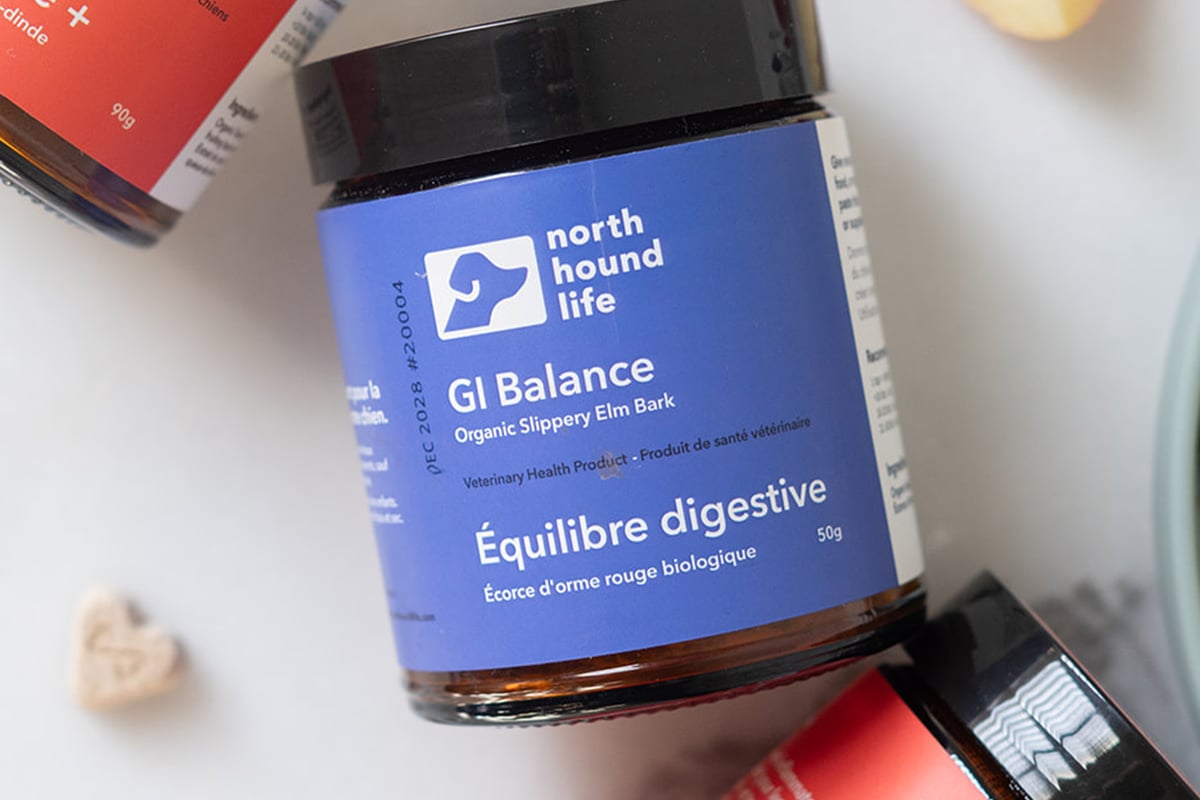
For dogs recovering from surgery or digestive upset, supporting gut health is essential. A soothing supplement like our GI Balance (Slippery Elm Bark) can help calm irritation and support the stomach lining during healing.
Preventing Future Rock-Eating: Practical Strategies
Once you've survived the "my dog ate a rock" scare, prevention becomes your top priority. Most rock-eating is manageable with environmental changes, training, and addressing underlying causes.
Environmental Management
The simplest solution is removing access. Clear your yard of loose stones, avoid rocky trails, and supervise closely in areas with gravel or river rocks. For chronic rock-eaters, a basket muzzle during outdoor time can be a lifesaver, allowing them to pant and drink while preventing ingestion.
Training and redirection:
- Teach a solid "drop it" or "leave it" command using high-value treats
- Carry engaging toys on walks to redirect your dog's mouth
- Reward your dog for ignoring rocks and focusing on you
- Provide appropriate chew items like bully sticks, antlers, or rubber toys
Addressing Boredom and Anxiety
Dogs who eat rocks out of boredom need more mental and physical stimulation. Puzzle feeders, scent work, daily training sessions, and adequate exercise can dramatically reduce destructive behaviors. Learn why zoomies in dogs happen and how to keep these energetic episodes safe.
If anxiety is the root cause, work with a certified dog trainer or veterinary behaviorist. Calming supplements, increased routine, and positive reinforcement training can help.
Nutritional Support and Gut Health
Sometimes rock-eating signals nutrient deficiencies or digestive discomfort. A whole-food diet rich in vitamins, minerals, and fibre can reduce pica behaviors. For dogs with sensitive digestion or those recovering from illness, targeted gut support makes a real difference.
After any gastrointestinal event, rebuilding a healthy gut lining and microbiome is critical. Natural supplements that support digestive wellness and overall vitality can play a helpful role in recovery and long-term health.
From our experience at North Hound Life: We've seen dogs stop eating rocks entirely once their underlying gut issues were addressed. When the digestive system is comfortable and well-nourished, the drive to consume inappropriate items often fades. Learn more about our approach to natural dog wellness.
Frequently Asked Questions
Can a dog digest a small rock? No, dogs cannot digest rocks. The digestive system lacks the enzymes or acidity to break down stone. Small, smooth pebbles may pass through the gastrointestinal tract and exit in the stool, but they remain intact and can cause irritation or blockage along the way.
How long does it take for a dog to pass a rock? If a small rock is going to pass naturally, it typically does so within 24-72 hours. However, many rocks do not pass and require veterinary intervention. Never wait beyond 24 hours without veterinary consultation if your dog ate a rock.
What size rock is dangerous for dogs? Any rock larger than 1-1.5 inches in diameter for a medium to large dog, or anything with sharp edges, poses a high obstruction risk. For small dogs (under 20 lbs / 9 kg), even pebbles can be dangerous. When in doubt, contact your vet immediately.
Should I feed my dog bread or pumpkin to help pass a rock? No reliable evidence supports feeding bread, pumpkin, or other bulky foods to help pass foreign objects, and it may worsen the situation by adding material around the obstruction. Always consult your veterinarian before giving anything by mouth.
Is rock-eating a sign of a serious behavioral problem? It can be. Persistent rock-eating (pica) may indicate anxiety, obsessive-compulsive disorder, nutritional deficiency, or gastrointestinal disease. A thorough veterinary and behavioral evaluation is warranted for chronic cases.
Long-Term Outlook: Life After "My Dog Ate a Rock"
Most dogs who receive prompt veterinary care after swallowing a rock recover fully, whether through natural passage, endoscopy, or surgery. The key is early intervention and close monitoring.
Dogs who've had surgery for intestinal obstruction typically return to normal activity within 10-14 days, though strenuous exercise should be limited for several weeks. Post-surgical care includes pain management, a bland diet initially, and watching for signs of infection or complications like dehiscence (incision reopening).
Post-recovery care checklist:
- Follow your vet's feeding and medication instructions precisely
- Restrict jumping, running, and rough play for 2-3 weeks
- Monitor incision sites daily for redness, swelling, or discharge
- Watch stool for normalcy and any signs of obstruction recurrence
- Implement environmental and training changes to prevent repeat ingestion
For ongoing digestive comfort and resilience, many dog parents find that whole-food supplements support their dog's recovery and long-term wellness. Natural options that soothe the gut lining and promote healthy digestion can be valuable additions to a recovery plan.
Not sure which products might support your dog's specific needs? Our free supplement quiz takes just a minute and provides personalized recommendations based on your dog's age, size, and wellness goals.
The Financial and Emotional Cost
Let's be honest: emergency veterinary care for foreign-body ingestion is expensive. Endoscopy typically costs between CAD $800-2,500, while surgery can range from CAD $2,000-5,000 or more, depending on complexity and aftercare. The AAVMC guide on foreign-body ingestion provides helpful context on treatment pathways and associated costs.
Beyond the financial burden, the emotional toll is significant. The guilt, the fear, the sleepless nights wondering if your dog will be okay-it's exhausting. But here's the truth: accidents happen, even to the most vigilant dog parents. What matters is how quickly you act and the prevention steps you take going forward.
Pet insurance can be a lifesaver if your dog has a habit of eating inappropriate items. Many policies cover foreign-body removal, though pre-existing conditions may be excluded.
Building a Safety Net
Establish a relationship with a trusted veterinarian and know the location and hours of your nearest 24-hour emergency clinic. Keep their numbers saved in your phone. Consider investing in a pet first-aid course to build confidence in handling emergencies.
Prevention toolkit:
- Basket muzzle for high-risk situations
- Long-line leash for controlled outdoor exploration
- Durable chew toys and food-puzzle enrichment
- Training treats for "leave it" and "drop it" practice
- Emergency vet contact information readily accessible
Understanding the Psychology of Rock-Eating Dogs
For some dogs, rock-eating becomes a compulsive behavior that's challenging to extinguish. These are often high-energy, intelligent breeds like Border Collies, Australian Shepherds, and Retrievers who lack sufficient mental stimulation.
Compulsive rock-eating shares similarities with other repetitive behaviors like tail-chasing, shadow-chasing, or excessive licking. It can become self-soothing and habitual, requiring professional behavioral intervention.
Working with a certified professional dog trainer (CPDT) or veterinary behaviorist can make a huge diffrence. They'll develop a behavior modification plan that addresses the root cause, provides appropriate outlets, and uses positive reinforcement to replace the unwanted behavior.
From our experience at North Hound Life: We've supported many families through the frustration of persistent pica. The dogs who improved most consistently were those whose owners addressed the behavior holistically-training, environmental enrichment, nutritional optimization, and stress reduction all played a role.
If your dog ate a rock, immediate veterinary care and close monitoring are essential to prevent serious complications. Most dogs recover fully when treated promptly, and with smart prevention strategies, you can dramatically reduce the risk of it happening again. At North Hound Life, we're here to support your dog's long-term digestive health and overall wellness with natural, whole-food supplements designed for every life stage.

