

As a devoted dog parent, you already know your pup deserves the absolute best. But what does true dog wellness actually mean? It's more than just yearly vet visits and a bowl of kibble. Real wellness is a holistic approach that touches every aspect of your dog's physical, mental and emotional health, from puppyhood through their golden years. Whether you're navigating your first weeks with a wriggly puppy or supporting a grey-muzzled senior, understanding the pillars of canine wellness will help you give your best friend the vibrant, joyful life they deserve.
The Foundation of Dog Wellness: What It Really Means
Dog wellness is the ongoing practice of maintaining your dog's complete health through preventive care, proper nutrition, mental stimulation and emotional support.
Unlike reactive veterinary care that addresses illness after it appears, dog wellness takes a proactive stance. It's about building resilience, preventing disease and optimizing quality of life every single day. Think of it as the difference between fixing a leaky roof during a storm versus maintaining it year-round so leaks never happen.
The American Veterinary Medical Association emphasizes that preventive care forms the cornerstone of lifelong health. This includes regular wellness examinations, vaccinations, parasite control and early detection screenings.
The Five Pillars of Complete Canine Wellness
Understanding dog wellness becomes simpler when you break it into these fundamental areas:
- Physical health: Nutrition, exercise, weight management and preventive veterinary care
- Mental stimulation: Enrichment, training, puzzle toys and novel experiences
- Emotional wellbeing: Social connections, security, routine and stress management
- Dental health: Daily brushing, dental chews and professional cleanings
- Environmental safety: Non-toxic home, secure spaces and appropriate temperature control
Each pillar supports the others. A dog with untreated dental disease may eat less, leading to nutritional deficiencies. A mentally understimulated dog may develop anxiety that manifests as physical symptoms. True wellness addresses all five simultaneously.
From our experience at North Hound Life, we've noticed that dog parents often focus heavily on one or two pillars while inadvertently neglecting others. The dogs who thrive are those whose owners take a balanced, whole-dog approach.
Nutrition: The Cornerstone of Dog Wellness
Your dog's bowl is the single most powerful wellness tool you control. Quality nutrition fuels every bodily function, from immune defense to cognitive health.
The World Small Animal Veterinary Association provides evidence-based nutrition guidelines that emphasize individual needs over one-size-fits-all solutions. Your dog's ideal diet depends on life stage, activity level, health status and even breed predispositions.
Whole-Food Nutrition vs. Processed Diets
Many dog parents are shifting toward whole-food nutrition after seeing the limitations of highly processed kibble. Whole foods retain their natural nutrient profiles, including enzymes, antioxidants and phytonutrients that processing often destroys.
Consider adding fresh, species-appropriate foods to your dog's routine:
- Lean proteins: Turkey, chicken, beef or fish (cooked, no bones)
- Organ meats: Liver and kidney in small amounts (nutrient powerhouses)
- Vegetables: Carrots, green beans, pumpkin and leafy greens
- Berries: Blueberries and cranberries for antioxidants
- Healthy fats: Like omega-3 rich seal oil or fish oil
Supporting your dog's nutritional foundation with whole-food supplements can fill gaps that even high-quality diets may leave. At North Hound Life, we've built our entire philosophy around single-ingredient, Canadian-sourced supplements that work with your dog's natural biology.
| Life Stage | Protein Needs | Key Nutrients | Common Gaps |
|---|---|---|---|
| Puppy (0-12 months) | 22-32% minimum | DHA, calcium, phosphorus | Omega-3s, probiotics |
| Adult (1-7 years) | 18-25% minimum | Balanced amino acids | Digestive enzymes, joint support |
| Senior (7+ years) | 18-25% minimum | Antioxidants, joint support | Omega-3s, immune support |
| Performance/Active | 25-35% minimum | Extra calories, electrolytes | Recovery nutrients, joint care |
Physical Activity and Body Condition
Movement is medicine. Regular, appropriate exercise maintains healthy weight, supports joint function, promotes cardiovascular health and even boosts mood through endorphin release.
But here's what many dog parents miss: more isn't always better. Over-exercising young dogs with open growth plates can cause permanent joint damage. Pushing senior dogs beyond their comfort zone worsens arthritis pain.
Tailoring Exercise to Your Dog's Needs
Puppies (up to 12 months): Short, frequent play sessions. Five minutes per month of age, twice daily, is a common guideline. Avoid repetitive impact like jogging on hard surfaces.
Adults (1-7 years): Breed-dependent, but most thrive with 30-120 minutes daily. Include variety such as walks, fetch, swimming and hiking.
Seniors (7+ years): Gentle, consistent movement. Shorter walks, swimming for low-impact exercise and mental enrichment over physical exertion.
Research published on PubMed reveals that canine obesity affects over 50% of dogs in developed countries, leading to shortened lifespans and increased disease risk. Maintaining lean body condition is one of the most impactful wellness decisions you'll make.
The ASPCA's enrichment resources offer creative ways to keep your dog active mentally and physically, particularly valuable during weather extremes or recovery periods.
Mental Health and Cognitive Wellness
Dog wellness extends far beyond the physical body. Your dog's mind needs exercise just as much as their muscles.
Mental stimulation prevents boredom-related behavior problems, slows cognitive decline in aging dogs and strengthens your bond. A mentally satisfied dog is a calmer, happier companion.
Enrichment Activities That Actually Work
- Puzzle feeders: Slow eating while engaging problem-solving skills
- Scent work: Hide treats around your home or yard
- Novel experiences: New walking routes, different surfaces, safe social interactions
- Training sessions: Short, positive-reinforcement sessions teach new skills
- Food-dispensing toys: Keep dogs occupied while you're away
Rotate activities to prevent habituation. What challenged your dog last month may bore them this month.
From our experience, the dogs who struggle most with anxiety and destructive behavior are often under-stimulated mentally, even when they're getting plenty of physical exercise. A 20-minute training session can tire a dog more effectively than an hour-long walk.
Preventive Veterinary Care Across Life Stages
Regular wellness examinations catch problems before they become emergencies. The Merck Veterinary Manual outlines comprehensive preventive protocols that form the backbone of dog wellness.
| Age Range | Exam Frequency | Key Screenings | Vaccinations |
|---|---|---|---|
| 8-16 weeks | Every 3-4 weeks | Physical exam, fecal | Core series (parvo, distemper, adenovirus, rabies) |
| 6 months - 7 years | Annually | Physical, dental, bloodwork (baseline) | Core boosters per vet recommendation |
| 7-10 years | Every 6-12 months | Physical, bloodwork, urinalysis | As recommended |
| 10+ years | Every 6 months | Physical, comprehensive bloodwork, imaging as needed | As recommended |
Early detection saves lives. Senior bloodwork often reveals kidney disease, diabetes or thyroid issues before symptoms appear, when intervention is most effective.
The Dental Connection to Overall Wellness
Dental disease affects over 80% of dogs by age three, yet it's one of the most neglected wellness areas. The bacteria from infected gums enter the bloodstream, potentially damaging heart valves, kidneys and liver.
Cornell's veterinary dental guidance recommends daily brushing using dog-specific toothpaste. Start slowly, make it positive and be consistent.
Professional cleanings under anesthesia remove tartar below the gumline where brushing can't reach. Don't skip these based on age alone; modern anesthesia protocols are safe for most senior dogs when properly screened.
Supporting Gut Health for Complete Wellness
Your dog's gut is their second brain. The intestinal microbiome influences digestion, immunity, skin health, mood and even behavior.
Stress, antibiotics, poor diet and environmental toxins all disrupt this delicate ecosystem. Supporting gut wellness through probiotics and prebiotics helps restore balance.
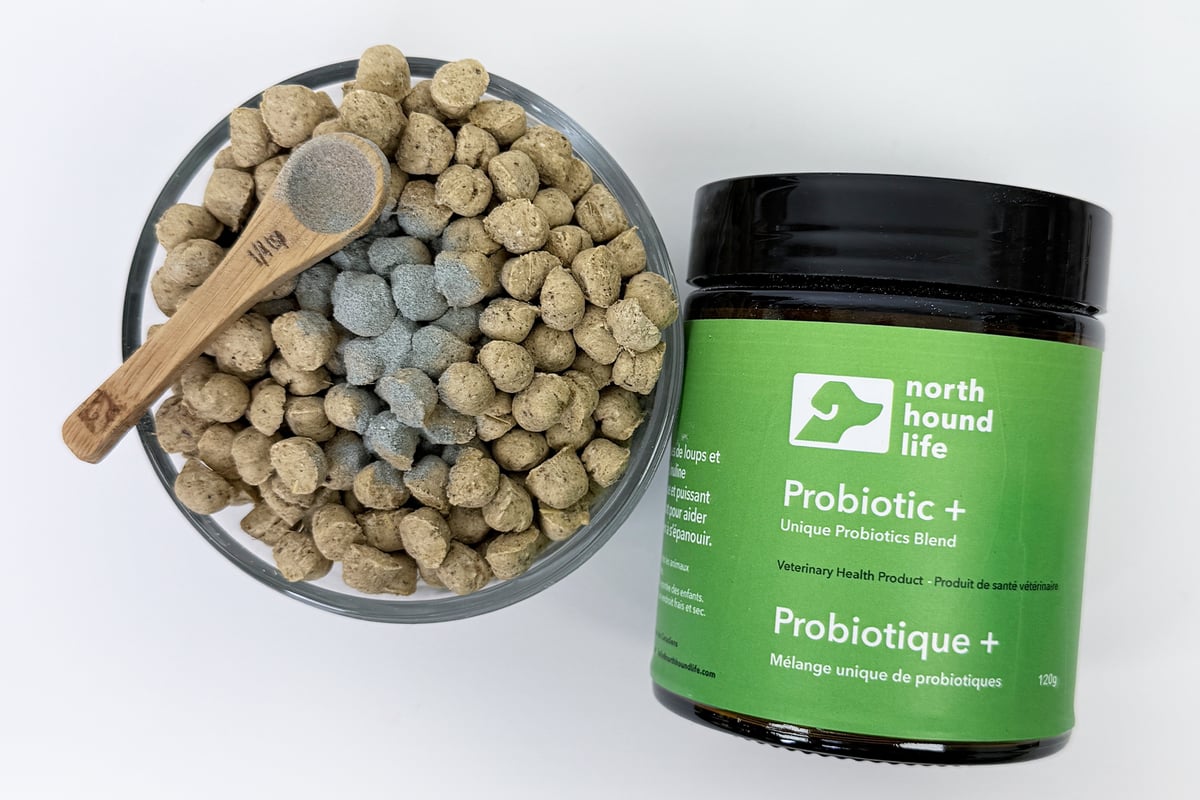
A quality probiotic with canine-specific strains can make a remarkable difference in dogs struggling with digestive issues, skin problems or immune challenges. For example, our Probiotic+ combines five strains sourced from healthy Canadian dogs and wild wolves with organic prebiotics to feed beneficial bacteria.
Signs Your Dog's Gut May Need Support
- Inconsistent stool quality (loose, mucusy or unusually hard)
- Frequent digestive upset or sensitivity
- Skin issues (itching, hot spots, dull coat)
- Food sensitivities that seem to worsen over time
- Recovery from antibiotics or illness
Pair probiotic support with whole foods, adequate hydration and stress management for maximum benefit.
Natural Support for Aging Dogs
Senior dog wellness focuses on maintaining quality of life, managing age-related changes and supporting comfort.
Joint stiffness, cognitive decline, immune senescence and metabolic slowdown are common but not inevitable. Proactive support can dramatically improve your older dog's golden years.
The Senior Wellness Toolkit
- Joint support: Omega-3s, glucosamine and green-lipped mussel for mobility
- Cognitive support: Antioxidants, omega-3 DHA and mental enrichment
- Immune support: Mushroom extracts and colostrum for immune resilience
- Digestive support: Probiotics and easily digestible proteins
- Comfort measures: Orthopedic beds, ramps, gentle massage
Many dog parents discover canine superfoods during their dog's senior years, wishing they'd started earlier. The truth is it's never too late (or too early) to add nutritional support.
Weight management becomes crucial in seniors whose metabolism slows while their appetite remains steady. Even a few extra pounds (or kilograms) dramatically increase arthritis pain and shorten lifespan.
Frequently Asked Questions About Dog Wellness
How often should healthy adult dogs see the vet?
Annual wellness exams are standard for adult dogs aged 1-7 years. Dogs over seven benefit from semi-annual visits to catch age-related changes early.
What's the most important thing I can do for my dog's wellness?
Maintain lean body condition through appropriate nutrition and exercise. Obesity is the most common preventable disease in dogs and accelerates virtually every health problem.
Are supplements necesary if my dog eats high-quality food?
Even excellent diets may have gaps, particularly in omega-3s, probiotics and certain antioxidants. Whole-food supplements can complement a good diet, especially for seniors, growing puppies or dogs with specific needs.
How do I know if my dog is at a healthy weight?
You should feel ribs easily with light pressure, see a waist when viewed from above and notice an abdominal tuck when viewed from the side. Your veterinarian can assess body condition score during wellness exams.
Can I improve my senior dog's quality of life naturally?
Absolutely. Joint support, cognitive enrichment, immune support, appropriate exercise and pain management (working with your vet) can dramatically improve comfort and function in aging dogs.
Building Your Dog's Personalized Wellness Plan
Dog wellness isn't one-size-fits-all. Your anxious rescue needs different support than your bomb-proof Labrador. Your nine-year-old Shepherd has different priorities than your five-month-old puppy.
Start by assessing where your dog is right now:
- Current physical health: Weight, mobility, energy level, coat quality
- Mental state: Anxiety level, enrichment opportunities, cognitive function
- Preventive care status: Vaccination schedule, dental health, parasite control
- Nutrition quality: Diet type, freshness, nutrient density, supplements
- Life stage needs: Puppy growth, adult maintenance, senior support
Then identify your top three priorities. Trying to change everything at once overwhelms both you and your dog. Pick the areas that will make the biggest impact and start there.
From our experience, the dog parents who succeed long-term are those who make small, sustainable changes rather than dramatic overhauls that fizzle within weeks. Add one new vegatable to your dog's bowl. Start brushing teeth three times weekly instead of daily. Take a new walking route twice a week.
Small steps compound into remarkable transformations.
Working With Your Veterinary Team
Your vet is your wellness partner, not just an emergency contact. Share your wellness goals, discuss supplement additions and ask questions about prevention strategies.
Bring notes to appointments. Track patterns you've noticed. Take photos of concerning symptoms. The more information you provide, the better your vet can tailor recommendations.
Not sure where to start with natural support for your dog's specific needs? Our personalized supplement quiz takes just a few minutes and recommends the supplements that fit your dog's age, size and wellness goals, plus you'll receive 10% off your first order.
The Role of Whole-Food Supplements in Dog Wellness
Quality supplements bridge the gap between what your dog eats and what their body actually needs for optimal function.
But here's what matters: source, processing and purity. Synthetic vitamins behave differently in the body than food-based nutrients. Heavily processed supplements lose cofactors that enhance absorption. Fillers and binders add nothing except extra cost and potential sensitivty.
Whole-food supplements preserve the natural matrix of nutrients as they exist in nature, complete with enzymes, cofactors and synergistic compounds that work together.
What to Look for in Quality Supplements
- Single ingredients or simple formulas you can actually understand
- Transparent sourcing with specific origin information
- Minimal processing that preserves nutrient integrity
- No fillers, binders or artificial additives
- Third-party testing for purity and potency
- Clear dosing based on your dog's size
Always introduce new supplements one at a time, allowing 2-4 weeks to observe effects before adding another. This helps you identify what's actually making a difference.
Creating Sustainable Wellness Habits
The best wellness plan is the one you'll actually follow. Complicated routines fail. Simple, consistent habits succeed.
Build wellness into your existing routine rather than treating it as separate tasks:
- Add supplements to morning meals (already happening)
- Brush teeth while watching evening TV (already happening)
- Turn bathroom breaks into short training sessions (already happening)
- Keep enrichment toys where you store their regular toys (visible and accessible)
Set reminders for monthly tasks like flea/tick prevention and quarterly tasks like supplement reorders. Automate what you can through subscription services for food and supplements.
Track progress with photos every few months. You see your dog daily and may miss gradual improvements that become obvious when comparing images side-by-side.
When to Adjust Your Approach
Dog wellness is dynamic, not static. What worked during puppyhood needs adjustment in adolescence. Adult protocols require modification as senior years approach.
Watch for these signs that it's time to reassess:
- Changes in energy level, appetite or bathroom habits
- New lumps, limping or behavioral shifts
- Seasonal patterns (allergies, anxiety, weight fluctuation)
- Life transitions (moving, new pets, schedule changes)
- Natural aging progression
Don't wait for annual vet visits to address concerns. Trust your instincts. You know your dog better than anyone.
The Mind-Body Connection in Canine Wellness
Stress impacts physical health just as powerfully in dogs as it does in humans. Chronic stress weakens immune function, disrupts digestion, worsens skin conditions and accelerates cognitive decline.
Creating emotional wellness through security, routine, positive experiences and appropriate social connection isn't optional or indulgent. It's fundamental to complete dog wellness.
Recognize stress signals that often go unnoticed: excessive panting, yawning, lip licking, whale eye (showing whites), tucked tail, ears back and avoidance behaviors.
Reduce stressors where possible. Some dogs thrive in busy, social environments while others need quiet, predictable routines. Honor your individual dog's temperament rather than forcing them into situations that cause distress.
From our experiance, the dogs with mysterious health issues that conventional medicine can't quite resolve often improve dramatically when their stress load decreases. The body can finally focus on healing rather than survival.
Dog wellness is a journey, not a destination, and every small step you take today builds the foundation for your dog's vibrant tomorrow. Whether you're supporting a growing puppy, maintaining an active adult or cherishing your grey-muzzled senior, the principles remain the same: nourish well, move regularly, stimulate mentally and prevent proactively. At North Hound Life, we're here to support that journey with transparent, whole-food supplements that work with your dog's natural biology. Ready to take the next step in your dog's wellness journey?

