

Picture your dog full of energy, playful in the park, and rarely needing a trip to the vet. What if there was a simple way to help them live their healthiest life? That’s where a canine immune booster comes in—a science-backed approach to keep your dog strong in 2026.
In this friendly guide, we’ll show you how to support your dog’s immune system with proven foods, routines, and expert tips. We’ll explore what really works, share new trends for 2026, and highlight inspiring success stories from diverse Canadian dog lovers. Ready to help your furry friend thrive? Let’s discover the steps to a stronger, happier dog together.
Understanding Your Dog’s Immune System
A healthy immune system is your dog’s shield against illness, helping them stay energetic and happy at every age. To unlock the full benefits of a canine immune booster, it’s crucial to grasp how your dog’s immunity works, what challenges it faces, and how to spot when extra support is needed. Let’s explore what keeps your dog resilient and how we can nurture their natural defences together.
The Basics of Canine Immunity
The canine immune system is a complex network designed to keep your dog safe from bacteria, viruses, and toxins. It’s made up of two main components: innate immunity, which acts as a first responder, and adaptive immunity, which learns and remembers specific threats. A robust immune system means your dog is better equipped to bounce back from illness and enjoy a longer, healthier life.
Small dogs, like a young border collie, often have more reactive immune systems compared to larger breeds, such as a senior pug, who may experience a slower response as they age. Puppies rely heavily on maternal antibodies, while older dogs need extra support as their immunity naturally declines. For a deeper dive into the science of nutrients and immune health, see this Functional Ingredients and Dog Immunity review.
Common Immune System Challenges in 2026
In 2026, our dogs face new immune challenges. Rising environmental toxins and pollutants, especially in urban Canadian settings, are taking their toll. There’s also a noticeable increase in allergies, with a 2025 study reporting a 30 percent rise in canine allergy cases in Canadian cities.
Processed foods and over-vaccination can stress the immune system further. Daily stress, whether from city noise or changes in routine, may also weaken your dog’s defences. For example, an urban Chihuahua might develop recurring skin issues, highlighting the importance of a reliable canine immune booster in today’s world.
Signs Your Dog’s Immune System Needs Support
Spotting when your dog’s immune system needs a boost can make all the difference. Frequent infections or slow recovery from illness are clear warning signs. Chronic digestive problems, like ongoing diarrhoea or vomiting, may also signal trouble.
Watch for skin and coat issues, such as dull fur or persistent itching. Behavioural changes, like lethargy or irritability, might be linked to underlying illness. A rescue dog with persistent ear infections is a good example of when a canine immune booster could provide much-needed support.
Factors Influencing Canine Immunity
Several factors shape your dog’s immune health. Genetics play a big role, with certain breeds more prone to immune issues. Diet quality and nutritional deficiencies can weaken natural defences. Environmental exposures, such as household chemicals and poor air quality, also matter.
Physical activity and mental stimulation are just as important, keeping stress low and immunity strong. Socialisation, regular play, and positive interactions help build resilience. By understanding these influences, you’ll know exactly when and how to use a canine immune booster for the best results.
Top Immune-Boosting Foods and Supplements for Dogs
Looking to help your dog thrive with a strong immune system? The right foods and supplements make a world of difference. Let’s explore the most effective canine immune booster options for 2026, from real food to Canadian-made supplements.
Natural Whole-Food Solutions
A canine immune booster routine begins with real, minimally processed foods. Fresh, colourful ingredients like blueberries, sweet potatoes, and kale are packed with antioxidants, vitamins, and minerals that support your dog’s defences.
Recent Canadian surveys show that dogs on whole-food diets visit the vet 25% less often. For example, a small Shih Tzu might snack on finely chopped blueberries, while a big Doberman enjoys roasted sweet potato cubes. Adjust portions for size, but always focus on variety.
Feeding a range of whole foods is one of the simplest ways to provide a natural canine immune booster. Little changes in the bowl bring big changes in your pup’s resilience.
The Power of Functional Mushrooms
Functional mushrooms are a rising star in the world of the canine immune booster. Reishi, shiitake, and turkey tail mushrooms are rich in immune-modulating polysaccharides and beta-glucans, which help balance and strengthen your dog’s immune response.
Imagine a senior beagle, once sluggish, now bounding with energy after adding a mushroom supplement to their diet. These fungi are safe for both small and large dogs, as long as you follow the recommended dosage. Always choose high-quality, Canadian-sourced powders, and introduce them slowly.
Functional mushrooms are a gentle, powerful addition to your canine immune booster toolkit.
Probiotics and Gut Health
Did you know that up to 70% of your dog’s immune system lives in the gut? That’s why gut health is a vital part of any canine immune booster plan. Probiotics like kefir and fermented vegetables support a thriving microbiome, which helps fight off illness.
A boxer with recurring allergies saw dramatic improvement after starting a daily canine probiotic. Choose Canadian brands with clear labelling and avoid artificial additives. For more details on supporting digestive health, check out the Digestive Health for Dogs collection.
A healthy gut sets the foundation for a robust and resilient immune system in any dog.
Omega-3 Fatty Acids and Superfoods
Omega-3 fatty acids, found in fish oil and flaxseed, are key anti-inflammatory agents in a canine immune booster routine. These healthy fats help reduce infection risk and promote a shiny coat.
Superfoods like kelp, bee pollen, and spirulina offer an extra layer of immune support, thanks to their dense nutrient profiles. For example, a mixed-breed dog fed a little kelp and flaxseed oil enjoys a shinier coat and fewer sick days. Adjust dosages based on your dog’s weight and age.
Incorporating these superfoods helps round out a comprehensive canine immune booster strategy for every size and breed.
North Hound Life: Natural Immune Support for Dogs
North Hound Life leads the way in Canadian canine immune booster supplements. Their Mushroom Power, Bee Pollen, and Atlantic Kelp Superfood are made with ethically sourced, human-grade ingredients. Products start at $26.00 CAD, and bundles make it easy for families to support both small and large dogs.
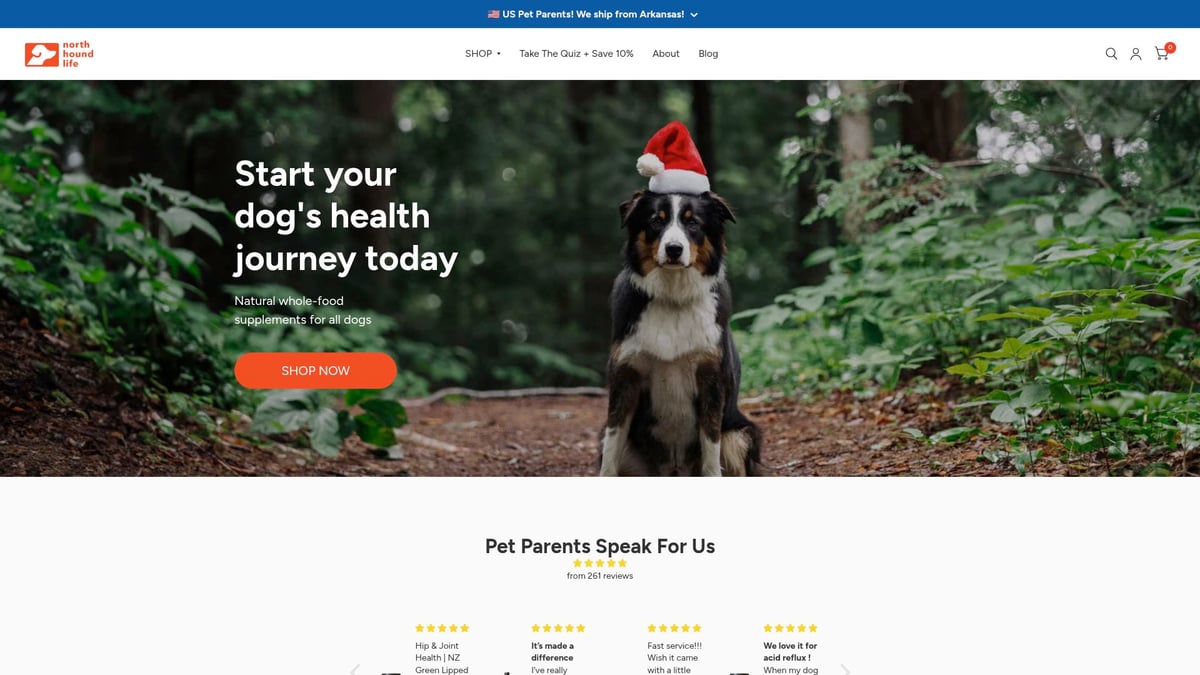
Diverse Canadian pet parents share success stories—like a young family with a terrier and a senior couple with a Doberman, both seeing improved vitality. Transparency, sustainability, and expert formulation are at the heart of every product. For a full range, visit the Immune-Boosting Supplements Collection.
North Hound Life also offers tailored advice and educational resources to guide your immune-boosting journey.
Canadian Sourced Supplements and Safety
When choosing a canine immune booster, look for Canadian-made products regulated for safety. Avoid supplements with fillers, additives, or artificial colours. Compare a local brand with an imported one, and you’ll often find higher quality and clearer labelling on Canadian shelves.
Always read ingredient lists, and consult a holistic vet before starting new supplements. Whether you have a small terrier or a big Doberman, prioritising locally sourced, transparent products helps ensure your dog’s immune system is in the best hands.
Making informed choices about supplements is a vital step in supporting your dog’s long-term health.
Daily Routines to Strengthen Your Dog’s Immune System
Helping your dog thrive starts with daily routines built around the right canine immune booster strategies. Every small change you make can add up to big improvements in your dog's wellbeing, helping them stay happy and healthy for years to come.
Step 1: Balanced, Species-Appropriate Diet
A well-rounded diet is the cornerstone of any effective canine immune booster routine. Focus on real, unprocessed proteins like turkey or salmon, healthy fats such as flaxseed oil, and plenty of fresh vegetables. For a small Shih Tzu, a daily meal might include lean chicken, cooked carrots, and a teaspoon of North Hound Life’s Atlantic Kelp Superfood. A large Doberman could benefit from beef, sweet potato, and a sprinkle of bee pollen.
- Rotate protein sources weekly
- Include seasonal Canadian produce
- Avoid common allergens like wheat and artificial fillers
By tailoring nutrition to your dog's size, breed, and age, you give their immune system a strong foundation to flourish.
Step 2: Consistent Exercise and Mental Stimulation
Daily physical activity is a powerful canine immune booster. Exercise helps reduce stress hormones and keeps your dog's body resilient. For energetic breeds, try urban agility courses or scent games in the park. Older or less mobile dogs, like a senior mixed breed, often thrive with gentle swimming or slow nature walks.
Mental stimulation matters too. Use puzzle toys, hide treats around your home, or teach new tricks to keep your dog's mind active. These activities are not just fun, they directly support immune health by lowering anxiety and encouraging healthy habits.
Step 3: Regular Veterinary Check-Ups and Preventive Care
Staying on top of your dog's health with regular vet visits is a crucial part of any canine immune booster plan. Schedule annual check-ups, even if your dog seems perfectly well. Vets can spot subtle issues, such as early skin infections or dental problems, before they become serious.
Adjust vaccination schedules based on your dog's lifestyle and risk factors. Dental care is equally important, as poor oral hygiene can lead to inflammation and weaken the immune system. A routine check-up for your small terrier or big shepherd could be the key to catching issues early and supporting long-term immunity.
Step 4: Hygiene and Environmental Management
Your dog's environment shapes their immune health every day. Keep living spaces tidy, vacuum regularly, and choose natural cleaning products free from harsh chemicals. For families living in busy Canadian cities, air purifiers can help reduce exposure to outdoor pollutants, especially for breeds like French Bulldogs that are sensitive to air quality.
- Wash bedding weekly
- Wipe paws after walks
- Store food in airtight containers
A clean, toxin-free home works as a quiet but effective canine immune booster, protecting your dog from everyday environmental stressors.
Step 5: Stress Reduction and Socialisation
Chronic stress can suppress immune function, so making stress relief part of your canine immune booster routine is essential. Calming activities like gentle massage, using puzzle feeders, and providing quiet retreat spaces help all dogs, from anxious rescues to outgoing Huskies.
Socialisation also matters. Gradually introducing your dog to new people, environments, and other pets builds confidence and reduces anxiety. For more ideas and products to support stress management, explore Stress and Anxiety Solutions. A rescue dog’s transformation often begins with these simple, supportive steps.
Step 6: Monitoring and Adjusting Routine
Every dog is unique, so monitor their health and adjust routines as needed. Keep a health journal to track changes in appetite, energy, skin, or digestion. If you notice improvements, such as a senior Schnauzer gaining mobility after a new supplement, note it down.
Consult with your vet or a canine nutritionist if you have concerns. Regularly reviewing what works ensures your chosen canine immune booster approach evolves with your dog's needs, supporting them every step of the way.
Step 7: Seasonal and Life Stage Adjustments
A good canine immune booster routine adapts as your dog grows and as seasons change. Puppies need extra support during their first months, especially during vaccination periods or when exposed to new environments. Adults may need more exercise in summer, while seniors benefit from joint supplements and shorter walks in winter.
- Increase immune support during allergy season
- Adjust diets for growth or ageing
- Provide extra comfort during stressful events
By staying flexible and attentive to life stage needs, you help your dog stay resilient and vibrant through every chapter.
Holistic and Alternative Approaches to Immune Health
Holistic care is about seeing your dog as a whole being, not just a collection of symptoms. When we explore alternative approaches, we open the door to time-tested traditions and innovative therapies that can work alongside conventional treatments. Let’s dive into how a holistic mindset can make your canine immune booster routine even more powerful.
Herbal Remedies and Traditional Wisdom
Many pet parents are drawn to herbal remedies as part of a canine immune booster plan. Popular herbs like echinacea, astragalus, and milk thistle have been used for centuries to support immunity and detoxification. These botanicals can help your dog’s body respond to everyday stressors and environmental toxins.
Always consult a holistic vet before starting herbs, since safety and dosages vary by breed and size. For example, a senior pug may benefit from a gentle herbal blend, while a young border collie might need a different approach. Canadian brands often offer blends using local, organic ingredients, making it safer for your pet.
Herbal support works best as part of a broader canine immune booster strategy, rather than a quick fix.
Acupuncture, Massage, and Physical Therapies
Physical therapies are gaining ground as trusted canine immune booster tools. Acupuncture can stimulate points linked to immune function, while massage relieves tension and encourages healing. In a 2024 Toronto study, acupuncture reduced allergy symptoms in 65 percent of dogs, showing real promise for immune health.
Imagine a senior poodle with chronic skin issues. After a series of gentle acupuncture sessions, the dog’s itchiness and anxiety decrease, and their energy improves. Massage is another gentle way to boost circulation and lower stress, which supports the immune system in both small and big dogs.
Always seek certified Canadian practitioners to ensure your canine immune booster plan is safe and tailored.
Environmental Enrichment and Emotional Wellbeing
A happy, stimulated mind is a key part of any canine immune booster routine. Emotional wellbeing directly impacts immunity. Creating a nurturing home with plenty of enrichment activities can make all the difference for your dog’s health.
Try rotating puzzle toys, adding safe indoor plants, or setting up a quiet corner for downtime. A family with children and a rescued terrier found that daily sniff walks and interactive games improved their dog’s mood and resilience. For urban dogs, watching birds from a window or exploring new parks can be just as enriching.
These simple steps nurture the mind and help your canine immune booster efforts go further.
Integrating Conventional and Holistic Care
The best canine immune booster approach blends science with tradition. Collaborating with a holistic vet or canine nutritionist means your dog gets the benefits of both worlds: targeted supplements, balanced meals, and conventional medicine when needed.
A diverse Toronto family with a small Maltese and a big husky worked closely with their vet and nutritionist, adjusting routines as their dogs aged. They saw fewer infections and more vitality. For personalised support, check out Canine Nutritionist Expert Advice for tailored guidance on immune health.
By combining approaches, we can build a strong foundation for lifelong wellness and a truly resilient immune system.
Expert Insights and 2026 Trends in Canine Immune Health
The world of canine immune booster strategies is evolving fast, with research and innovation unlocking new ways to keep our dogs healthy. Whether you share your home with a playful terrier or a stately Great Dane, the latest trends are designed to support every pup’s unique needs. Let’s explore what 2026 has in store for our furry family members.
Advances in Canine Nutrition and Immunology
2026 brings exciting breakthroughs in canine immune booster research, especially in nutrition and immunology. Scientists are diving deeper into how genetics, breed, and lifestyle play a role in immune health. For example, DNA testing is helping Canadian families create tailored nutrition plans for both small dogs like pugs and larger breeds such as boxers.
New studies from respected institutions, like Cornell's Research on Puppy Immunity, are uncovering how puppies gain early immune protection from their mothers. This knowledge is shaping the next generation of canine immune booster products and protocols, giving every pup a head start on lifelong wellness.
The Rise of Preventive Wellness Programmes
Preventive care is taking centre stage in Canada, as more pet parents embrace a proactive approach to immune health. Subscription wellness bundles—often featuring Canadian brands—deliver essential supplements, such as mushroom blends and bee pollen, right to your door. The 2025 Canadian Pet Wellness Report found a 40% rise in preventive supplement use, signalling a shift in how we care for our companions.
Families, from young couples in Toronto flats to multi-generational households in Vancouver, are enrolling their dogs in these programmes. A canine immune booster routine is now part of everyday life for many, helping reduce illness and support vitality for both small and big dogs.
Technology and At-Home Health Monitoring
Technology is making canine immune booster routines more precise and personalised than ever. Wearable devices now track your dog’s daily activity, sleep, and even stress levels. Mobile apps let you log meals, supplements, and any health changes, making it easier to spot patterns and adjust care.
For example, a tech-savvy millennial in Montreal uses a health tracker for their mixed-breed dog, receiving instant alerts if there are changes in behaviour or energy. These tools help us work closely with our vets, ensuring our dog’s immune system gets the support it needs from the latest science, including innovations like Impact of Postbiotic on Canine Itching.
Community, Education, and Advocacy
Building a strong canine immune booster routine is easier when we learn and grow together. Across Canada, online forums, local workshops, and support groups connect pet parents from all backgrounds. People share immune-boosting recipes, supplement tips, and stories of success with their small Shih Tzus, senior Schnauzers, and everything in between.
This sense of community empowers us to make informed choices and advocate for better canine health. Through education and collaboration, every dog—regardless of breed or background—can thrive with a robust, science-backed immune system.
FAQs: Strengthening Your Dog’s Immune System in 2026
Our community of dog lovers often asks about the best ways to support their pets' health. Here, we answer your most pressing questions on finding the right canine immune booster strategies in 2026 for dogs of all sizes and backgrounds.
What are the first signs of a weak immune system in dogs?
Spotting early signs that your dog may need a canine immune booster is crucial for keeping them healthy and happy. Look for repeated infections, like ear or urinary tract troubles, or slow healing after minor cuts. Chronic tummy upsets or persistent diarrhoea can also signal a struggling immune system. If your dog's coat becomes dull, patchy, or their skin is itchy, these are important clues. Senior dogs, like a rescue Schnauzer, may become less playful, while a young Shih Tzu might seem lethargic. Always consult your vet if you notice these symptoms, as early support can make a big difference.
Can I boost my dog’s immunity naturally at home?
Absolutely! Many pet parents are turning to natural canine immune booster routines right at home. Start with a diet full of fresh, whole foods such as lean meats, sweet potatoes, and berries. Add daily walks and playtime to reduce stress and encourage mental stimulation. Clean living spaces using gentle, Canadian-made cleaning products, and avoid harsh chemicals. Consider adding small amounts of kefir or fermented veggies for gut support. Simple changes, like regular grooming and a calm bedtime routine, can also help. Every dog is unique, so tailor your approach to their size, breed, and lifestyle for the best results.
Are supplements necessary for all dogs?
Supplements are not a must for every dog, but many benefit from a targeted canine immune booster, especially if they have health challenges or unique needs. For instance, a senior Bernese Mountain Dog may thrive with mushroom-based supplements, while a young Pomeranian might only need a balanced diet. Always choose Canadian-made, regulated products with clear labels, like those from North Hound Life. If you're curious about vaccination advances, recent research such as the Efficacy of Alphavirus RNA Particle Vaccine in Dogs shows how science is shaping future immune support. Consult your vet to find the right path for your dog.
How do I measure if my dog’s immune health is improving?
Tracking your dog’s progress helps you see if your chosen canine immune booster plan is working. Keep a simple health log—note energy levels, appetite, coat shine, and how quickly they bounce back from minor illnesses. Schedule regular check-ins with your vet for professional feedback and blood work if needed. If you have a tech-loving family, try a Canadian pet health app or wearable to monitor activity and symptoms. Celebrate small wins, like a rescue dog’s brighter coat or a senior poodle’s improved playfulness. Adjust routines as needed, always putting your dog’s wellbeing first.
As we’ve explored, supporting your dog’s immune system is about more than just one change—it’s a journey of small, positive steps, from wholesome nutrition and natural supplements to daily routines that nurture both body and mind. If you’re ready to take the next step and want a little help figuring out which natural supplements are best for your pup’s unique needs, you’re not alone. We’re all learning how to give our dogs the healthiest, happiest lives possible. Why not try the Supplement Finder For Your Dog? It’s a friendly, easy way to discover what could help your furry friend thrive.

