

I know that heart-stopping moment when you realize your dog has gotten into chocolate. The empty wrapper on the floor, the guilty look, the instant panic. Take a breath. You're not alone, and you're doing exactly the right thing by searching for help right now. As someone who's spent years working with devoted dog parents, I want to walk you through exactly what to do if my dog eats chocolate, step by step, so you can act quickly and confidently.
Why Is Chocolate Dangerous for Dogs?
Chocolate contains two methylxanthine compounds that dogs metabolise far more slowly than humans: theobromine and caffeine. While we can break these down relatively quickly, our dogs' bodies struggle, allowing these substances to reach toxic levels in their bloodstream.
The theobromine in chocolate affects your dog's central nervous system, cardiovascular system, and respiratory system. Even small amounts can cause problems because dogs lack the enzymes needed to process it efficiently. This is why chocolate is on every "toxic to dogs" list you've ever seen.
How Chocolate Toxicity Works
When your dog ingests chocolate, theobromine stimulates their nervous system, increases heart rate, and relaxes smooth muscles. The severity depends on three critical factors:
- The type of chocolate (dark chocolate and baking chocolate are most dangerous)
- The amount consumed relative to your dog's body weight
- Your dog's individual sensitivity (some dogs are more susceptible than others)
Different chocolate types contain vastly different theobromine levels. Baker's chocolate and dark chocolate contain 130-450 mg of theobromine per ounce, while milk chocolate contains about 44-58 mg per ounce. White chocolate contains negligible amounts but can still cause stomach upset due to fat and sugar content.
From our experience at North Hound Life, we've heard from countless dog parents who've faced this scare. The good news? Most cases resolve well when caught early and treated appropriately. The key is knowing what to do in those critical first minutes.
Immediate Steps: What to Do If My Dog Eats Chocolate
The moment you discover your dog has eaten chocolate, note the time and gather information before you do anything else. This information will help your veterinarian or poison control expert assess the risk and guide your next steps.
First Five Minutes Action Plan
- Remove any remaining chocolate from your dog's reach immediately
- Locate the chocolate packaging to identify the exact type and amount
- Note the time your dog ate it (or your best estimate)
- Weigh your dog or use their most recent weight
- Call your veterinarian or poison control before attempting any home treatment
Never induce vomiting without professional guidance. In some situations, making your dog vomit can cause more harm, particularly if they're already showing neurological signs or if several hours have passed since ingestion. The Pet Poison Helpline specifically warns against home treatment without veterinary instruction.
Critical Information to Gather
| What You Need | Why It Matters |
|---|---|
| Type of chocolate | Determines theobromine concentration |
| Weight of chocolate eaten | Calculates total toxin dose |
| Dog's body weight (lbs/kg) | Assesses dose per pound |
| Time of ingestion | Determines treatment window |
| Current symptoms | Indicates severity level |
Cornell University's Veterinary Medicine department emphasizes that knowing these details helps veterinarians make faster, more accurate treatment decisions. Write everything down before you make that call.
When to Contact Emergency Services
If your dog has consumed chocolate, contact your veterinarian or an animal poison control center immediately, regardless of the amount. Even if you think it's a small quantity, professional assessment is essential because toxicity calculations are complex.
You have two primary resources available 24/7:
- Pet Poison Helpline: 855-764-7661 (consultation fee applies)
- ASPCA Animal Poison Control: 888-426-4435 (consultation fee applies)
Both services have veterinary toxicologists who can calculate your dog's specific risk based on the information you provide. They'll tell you whether you need to rush to an emergency vet or can safely monitor at home.
Red Flag Symptoms Requiring Immediate Veterinary Care
Some symptoms mean you need to get to an emergency veterinarian immediately, even before calling poison control:
- Seizures or tremors
- Collapse or inability to stand
- Rapid or irregular heartbeat you can feel
- Difficulty breathing
- Loss of consciousness
- Severe agitation or hyperactivity
These signs indicate serious toxicity. Don't wait. Get your dog to the nearest emergency veterinary hospital while someone else calls ahead to alert them you're coming.
Understanding Toxicity Levels and Risk Assessment
The toxic dose of theobromine in dogs is approximately 20 mg per pound of body weight for mild signs, with severe toxicity occurring at 40-50 mg per pound. This means a 20-pound dog could show symptoms after eating as little as one ounce of dark chocolate.
Let me break down the math so you understand what your veterinarian is calculating:
Theobromine Content by Chocolate Type
| Chocolate Type | Theobromine per Ounce | Toxic Amount for 20 lb Dog | Toxic Amount for 60 lb Dog |
|---|---|---|---|
| White chocolate | <1 mg | Not typically toxic | Not typically toxic |
| Milk chocolate | 44-58 mg | 7-9 oz | 21-27 oz |
| Dark chocolate | 130-450 mg | 1-3 oz | 3-9 oz |
| Baker's chocolate | 390-450 mg | 0.9-1 oz | 2.7-3 oz |
| Cocoa powder | 400-737 mg | 0.5-1 oz | 1.6-3 oz |
These are rough estimates. Individual sensitivity varies, and some dogs show symptoms at lower doses while others tolerate slightly higher amounts. Never assume your dog will be fine based on these numbers alone.
According to the Merck Veterinary Manual, clinical signs typically appear within 6-12 hours of ingestion, though they can occur as early as 1-2 hours or as late as 24 hours after eating chocolate.
Factors That Increase Risk
Beyond the basic dose calculation, certain factors make chocolate toxicity more dangerous:
- Small dogs and puppies face higher risk due to lower body weight
- Senior dogs may have compromised liver or kidney function
- Dogs with heart conditions are more vulnerable to cardiac effects
- Previous chocolate exposure doesn't create tolerance (each incident carries risk)
From our experience, many dog parents underestimate how little dark chocolate it takes to cause problems. A single piece of dark chocolate from a box of assorted chocolates can be enough to make a small dog very ill.
What Your Veterinarian Will Do
Veterinary treatment for chocolate ingestion typically involves decontamination, supportive care, and monitoring of vital signs until the theobromine clears your dog's system. The specific approach depends on how much time has passed and your dog's symptoms.
Decontamination Procedures
If your dog arrives at the veterinary clinic within 2-4 hours of eating chocolate and isn't showing severe symptoms, your vet may induce vomiting using apomorphine or hydrogen peroxide. This removes unabsorbed chocolate from the stomach before more theobromine enters the bloodstream.
After vomiting, many veterinarians administer activated charcoal, which binds to theobromine in the digestive tract and prevents further absorption. VCA Hospitals notes that activated charcoal may be given multiple times over 24 hours because theobromine undergoes enterohepatic recirculation (meaning it cycles back through the intestines).
Supportive Care and Monitoring
Once decontamination is complete, treatment focuses on supporting your dog's body as it processes the remaining theobromine:
- Intravenous fluid therapy to promote toxin elimination through urine and prevent dehydration
- Cardiac monitoring via ECG to watch for arrhythmias or abnormal heart rhythms
- Medications to control seizures, tremors, or abnormal heart rhythms if they occur
- Temperature regulation if hyperthermia (elevated body temperature) develops
- Anti-nausea medication to reduce vomiting and stomach discomfort
Most dogs require 12-24 hours of hospitalization for moderate toxicity, though severe cases may need several days of intensive care. The good news is that with proper treatment, the prognosis is generally excellent.
Symptoms to Watch For at Home
If your veterinarian determines your dog ingested a non-toxic amount and recommends home monitoring, watch carefully for any signs of toxicity over the next 24-48 hours. Symptoms can develop gradually as theobromine continues to absorb.
Early Signs of Chocolate Toxicity
The first symptoms are usually gastrointestinal:
- Vomiting (may contain chocolate pieces)
- Diarrhea
- Excessive thirst and urination
- Restlessness or pacing
- Panting
These early signs may seem mild, but they can escalate quickly. Document everything you observe, including the time symptoms started and their severity. This information helps your vet assess whether your dog's condition is worsening.
Progressive Symptoms Indicating Worsening Toxicity
As theobromine levels rise, neurological and cardiovascular symptoms appear:
- Rapid heart rate (tachycardia)
- Tremors or muscle twitching
- Hyperactivity or agitation
- Increased reflex responses
- Stiffness or awkward gait
- Elevated body temperature
In severe cases, dogs may develop seizures, abnormal heart rhythms, or even heart failure. The American Kennel Club emphasizes that these advanced symptoms require immediate emergency care.
Monitoring Guidelines
If you're watching your dog at home:
- Check vital signs every 2-4 hours: heart rate, breathing rate, temperature
- Restrict activity to prevent additional stress on the heart
- Offer small amounts of water frequently to stay hydrated
- Keep your dog in a quiet, calm environment
- Have your emergency vet's number ready in case symptoms appear or worsen
Never assume your dog is "out of the woods" in the first few hours. Theobromine can take up to 17 hours to reach peak blood levels in dogs, meaning symptoms can develop well after ingestion.
Supporting Your Dog's Recovery After Treatment
Once your dog has been treated and is home, their digestive system may need extra support as they recover from both the chocolate toxicity and the decontamination procedures. Many dogs experience ongoing nausea, loose stools, or decreased appetite for a few days afterward.
A bland diet of boiled chicken and rice (or a veterinary prescribed gastrointestinal diet) can help settle the stomach. Small, frequent meals are easier to digest than large portions. Make sure fresh water is always available, as dehydration is common after vomiting and diarrhea.
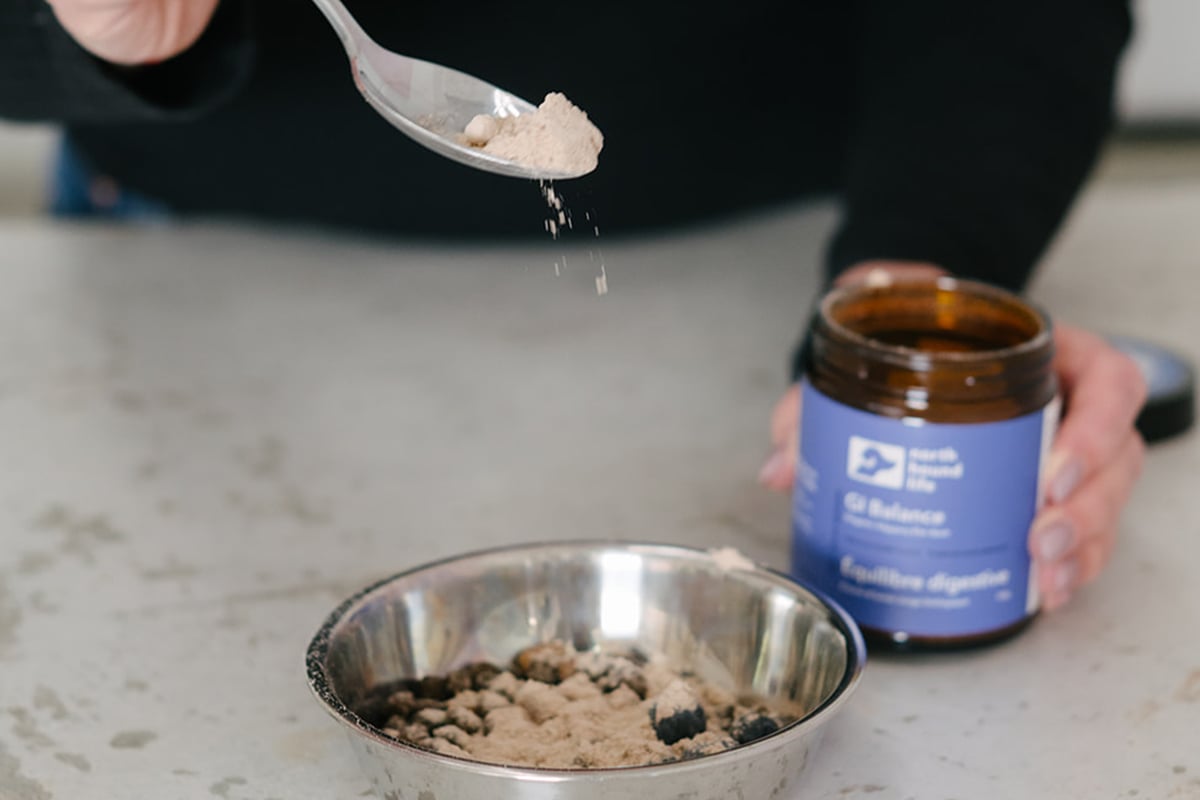
Supporting your dog's gut health during recovery can make a real difference in how quickly they bounce back. At North Hound Life, we've seen how important digestive comfort is after any GI upset. Our GI Balance slippery elm bark powder forms a soothing coating on the stomach and intestinal lining, which many dog parents find helpful when their pup's tummy needs extra gentleness after an incident.
Recovery Timeline Expectations
Most dogs recover fully within 24-72 hours after treatment, though this varies based on severity:
- Mild cases: 12-24 hours for symptoms to resolve
- Moderate cases: 24-48 hours with supportive care
- Severe cases: 3-5 days or longer if complications occurred
Follow all of your veterinarian's discharge instructions carefully. They may recommend rechecking bloodwork to ensure liver and kidney function remain normal, especially if your dog had severe toxicity.
Prevention Strategies That Actually Work
The best approach to chocolate toxicity is prevention, and that means creating a truly chocolate-free zone in areas your dog can access. I know this seems obvious, but you'd be surprised how many incidents happen because chocolate was "only for a minute" on the counter or coffee table.
Making Your Home Safer
Start by identifying every place chocolate might enter your home:
- Kitchen counters and tables: never leave chocolate unattended, even briefly
- Handbags and backpacks: family members and guests often carry chocolate bars
- Children's rooms: Halloween candy, Easter baskets, advent calendars
- Gift baskets and holiday decorations: chocolate is a common gift item
- Baking supplies: cocoa powder and baker's chocolate are extremely concentrated
- Trash cans: use lidded bins or keep them behind closed doors
Consider your dog's individual capabilities. Some dogs can open cupboards, jump onto counters, or unzip bags. "Out of reach" means different things for a Chihuahua versus a Great Dane.
Teaching Family Members and Guests
Everyone who enters your home needs to understand the rules:
- Never feed chocolate to dogs, no matter how much they beg
- Keep handbags and coats in closed rooms or high hooks
- Clean up immediately after eating chocolate
- Alert you if chocolate is brought into the home
- Supervise children with Halloween or Easter candy around dogs
From our experience, holiday periods (Halloween, Christmas, Easter, Valentine's Day) carry the highest risk because chocolate is everywhere. Extra vigilance during these times can prevent emergencies.
FAQ: Common Questions About Dogs and Chocolate
How long after eating chocolate will a dog show symptoms? Symptoms typically appear within 6-12 hours but can occur as early as 1-2 hours or as late as 24 hours after ingestion. The timeline depends on the amount eaten, the type of chocolate, and your individual dog's metabolism.
Can a small amount of chocolate kill my dog? The toxic dose varies by chocolate type and dog size, but yes, small amounts of dark chocolate or baker's chocolate can be fatal to small dogs if untreated. Always contact your veterinarian regardless of the amount consumed.
What if my dog ate chocolate but seems fine? Symptoms can take hours to develop. Contact your veterinarian or poison control immediately even if your dog appears normal. They can calculate whether the amount ingested is dangerous and guide you on whether treatment or monitoring is needed.
Is white chocolate toxic to dogs? White chocolate contains negligible theobromine and is not typically toxic, though it can cause stomach upset due to high fat and sugar content. However, if you're unsure what type of chocolate your dog ate, treat it as a potential emergency.
Do I need to take my dog to the vet every time they eat chocolate? Always contact your veterinarian or poison control to assess the risk. They can often determine over the phone whether your dog needs to be seen or can be safely monitored at home based on the specifics of the situation.
Beyond Chocolate: Other Holiday Hazards
While we're focused on what to do if my dog eats chocolate, it's worth noting that chocolate often comes alongside other dangerous foods during holidays and celebrations. Awareness of these additional risks helps you protect your dog more comprehensively.
Chocolate baked goods may contain raisins (toxic), macadamia nuts (toxic), or xylitol sweetener (extremely toxic). Chocolate-covered espresso beans pack a double dose of methylxanthines. Even "sugar-free" chocolate products often contain xylitol, which is even more dangerous than chocolate itself.
The ASPCA recommends treating any chocolate exposure as an opportunity to review all the foods in your home that could pose risks. Creating a comprehensive safety plan protects against multiple hazards, not just chocolate.
Other Toxic Foods to Keep Away From Dogs
These foods are often found near chocolate during holidays:
- Grapes and raisins (kidney failure)
- Xylitol (rapid insulin release, liver failure)
- Macadamia nuts (neurological symptoms)
- Onions and garlic (anaemia with large amounts)
- Alcohol (ethanol toxicity)
- Unbaked yeast dough (bloat and alcohol production)
Maintaining a digestive health routine year-round helps your dog's system stay resilient, though it's never a substitute for keeping toxic foods completely out of reach.
The Role of Ongoing Wellness in Recovery
A dog with a healthy baseline recovers more quickly from toxic exposures and medical treatments than one already struggling with underlying health issues. This doesn't mean you can prevent chocolate toxicity with supplements, but overall wellness matters for resilience.
Supporting your dog's immune function and gut health creates a stronger foundation for their body to handle stressors, whether that's recovering from emergency treatment or bouncing back from the decontamination procedures. Many North Hound Life clients focus on general wellbeing as part of their long-term care strategy.
After any health scare, including chocolate ingestion, it's natural to want to do everything possible to support your dog's recovery and prevent future incidents. That's where a personalized approach really helps, because every dog's needs are unique based on their age, size, and health history.
Knowing what to do if my dog eats chocolate can mean the difference between a minor scare and a serious emergency. The key is acting quickly, gathering information, and getting professional guidance immediately. Most dogs recover fully when treatment begins promptly, so never hesitate to make that call to your vet or poison control. At North Hound Life, we're here to support you in keeping your dog healthy and thriving every day, from emergency preparedness to long-term wellness. Not sure where to start with supporting your dog's overall health? Take our free personalized quiz to discover which supplements fit your dog's unique needs.

