

Dog nutrition is evolving rapidly in 2026, and more owners are seeking ways to help their pets thrive at every stage of life. One vital addition to modern dog wellness is the use of a canine omega 3 supplement, which is now recognised as a must-have for supporting everything from shiny coats to joint comfort.
If you want to make sure your small, medium, or large dog gets the best possible care, you’re in the right place. This expert guide will walk you through the science, health benefits, and practical tips for choosing and using canine omega 3 supplement for all breeds and ages.
Ready to help your dog live their healthiest, happiest life? Let’s dive in and discover how small changes in nutrition can make a big difference for your furry family member.
Understanding Omega 3 Fatty Acids for Dogs
Omega 3 fatty acids are essential nutrients that play a crucial role in every dog's diet. These nutrients are not just a trend—they are a foundation for canine health in 2026 and beyond. Let’s break down what they are, why they matter, and how to spot if your dog might need a canine omega 3 supplement.
What Are Omega 3 Fatty Acids?
Omega 3 fatty acids are a group of healthy fats vital for your dog’s wellbeing. The three main types are EPA (eicosapentaenoic acid), DHA (docosahexaenoic acid), and ALA (alpha-linolenic acid). EPA and DHA are mainly found in cold-water fish like sardines and anchovies, while ALA comes from plant sources such as flaxseed oil.
For dogs, natural sources matter because their bodies cannot efficiently convert ALA to the more active EPA and DHA forms. In contrast, omega 6 fatty acids are more common in processed dog foods, and an imbalance can lead to health issues. The right balance supports everything from shiny coats to healthy joints.
According to the 2025 Canadian Pet Nutrition Survey, 38% of dogs were found to be deficient in omega 3s. If your dog’s diet is lacking, a canine omega 3 supplement can bridge that gap and ensure they get the essential fatty acids they need.
The Science Behind Omega 3 and Canine Health
Omega 3s work at the cellular level, supporting flexible cell membranes and healthy signalling between cells. This means they help reduce inflammation, boost immune function, and are vital for brain and eye development in puppies.
For example, senior poodles given regular canine omega 3 supplement saw improved cognitive scores and alertness. Studies show that omega 3s are essential because dogs cannot synthesise them on their own, making supplementation or high-quality food sources critical for optimal health.
The anti-inflammatory benefits reach far beyond joints and skin. If you want a deeper dive into the scientific benefits, check out this Omega 3 for Dogs Benefits guide. It explains how omega 3s support your dog’s overall health and wellbeing.
Common Deficiency Signs in Dogs
How do you know if your dog needs a canine omega 3 supplement? Look for these common signs:
- Dull or brittle coat
- Itchy, flaky skin
- Joint stiffness or reluctance to exercise
- Behavioural changes, such as irritability
Vets often spot these subtle signs early. For instance, a border collie with chronic skin irritation saw dramatic improvement after starting a canine omega 3 supplement. In fact, 44% of Canadian vets now recommend omega 3s for allergy-prone breeds.
A quick reference table:
| Symptom | Possible Cause | Omega 3 Impact |
|---|---|---|
| Dull coat | Fatty acid deficiency | Restores shine |
| Itchy skin | Inflammation | Reduces irritation |
| Joint stiffness | Ageing, arthritis | Eases movement |
| Mood changes | Brain health decline | Boosts cognitive support |
Omega 3 Needs by Breed and Life Stage
The right canine omega 3 supplement dosage varies depending on your dog’s age, size, and activity level. Puppies need omega 3s for brain and eye development, while seniors benefit from joint and cognitive support. Pregnant dogs also require higher amounts to support developing pups.
Small breeds like French bulldogs have different needs compared to large breeds such as Bernese mountain dogs. Working and athletic dogs, including border terriers and boxers, may need extra support for joint health and recovery.
Data shows that senior dogs using a canine omega 3 supplement experience 22% improved mobility, making it a wise choice for older companions. Always consult your vet to tailor supplementation for your dog’s unique needs and lifestyle.
Health Benefits of Omega 3 Supplements for Dogs
Every dog, from playful Pomeranians to strong Siberian huskies, deserves to feel their best. The right canine omega 3 supplement can be a game changer for our furry friends’ health. Let’s explore the science-backed benefits that make these supplements a must-have for dogs of all breeds and ages.
Skin, Coat, and Allergy Relief
A shiny coat and healthy skin are signs of a happy, thriving dog. Many owners notice reduced shedding, less itching, and fewer hot spots when their pets regularly take a canine omega 3 supplement. Omega 3s act as natural anti-inflammatories, soothing sensitive skin and helping dogs with allergies.
Take the case of a miniature schnauzer struggling with chronic dandruff. After two months on a quality supplement, her coat became noticeably softer and her scratching decreased. In fact, 59% of owners report visible coat improvement within 60 days of starting a canine omega 3 supplement.
Here's what you might notice:
- Reduced flakiness and dryness
- Shinier, softer fur
- Less excessive licking or scratching
These changes not only make your pup look great but also boost their comfort and confidence.
Joint Health and Mobility
As dogs age or if they’re a larger breed like Newfoundlands or Bernese mountain dogs, joint stiffness can slow them down. A canine omega 3 supplement can provide natural relief from arthritis and joint pain, offering an alternative to traditional medications.
Clinical trials show a 31% reduction in lameness severity in dogs using omega 3s. For example, a Newfoundland with hip dysplasia experienced more playful walks and easier movement after starting supplementation. The anti-inflammatory properties help cushion joints, making daily activities less painful.
Comparing omega 3s to NSAIDs:
| Benefit | Omega 3s | NSAIDs |
|---|---|---|
| Natural relief | Yes | No |
| Side effects | Rare, mild | More common |
| Long-term safety | Excellent | May cause issues |
Daily use can mean more tail wags and less discomfort, helping senior dogs stay active and engaged. According to a recent Omega-3 supplementation improves canine quality of life study, regular intake not only improves mobility but also reduces pain scores in dogs, highlighting the value of a consistent canine omega 3 supplement.
Cognitive and Eye Development
Did you know the brain and eyes of puppies rely on DHA, a type of omega 3? For growing dogs, a canine omega 3 supplement supports learning, memory, and vision. It’s just as important for older dogs, keeping their minds sharp and alert.
In learning trials, border terrier puppies given extra DHA scored 19% higher on problem-solving tests. Senior dogs also benefit, showing improved focus and responsiveness. Owners of mixed breeds and breed-specific pups alike have seen their pets become more attentive and less forgetful with regular supplementation.
Key benefits include:
- Enhanced learning in puppies
- Sharper memory in older dogs
- Healthier eyes at all ages
Providing a canine omega 3 supplement gives your dog a mental edge and helps them stay curious and bright.
Heart Health and Immune Support
Heart health matters for every dog, from tiny Chihuahuas to big boxers. A canine omega 3 supplement can help keep the cardiovascular system strong and the immune system resilient. Omega 3s work to lower inflammation, support healthy blood vessels, and may even reduce the risk of chronic heart issues.
For example, a boxer with a mild heart murmur saw improved energy levels after regular supplementation. Studies show a 15% lower incidence of chronic heart conditions in dogs taking omega 3s. Plus, their immune systems become better equipped to fight off infections and recover from illness.
The benefits extend across all life stages:
- Puppies: Stronger immune defences
- Adults: Healthier hearts and circulation
- Seniors: Reduced heart disease risk
By including a canine omega 3 supplement in your dog’s routine, you’re investing in a healthier, happier future for your companion.
Choosing the Right Canine Omega 3 Supplement
Finding the best canine omega 3 supplement for your dog can feel overwhelming with so many options on the Canadian market. To make the process easier, let’s explore the types, quality standards, dosage, label essentials, and why North Hound Life is a trusted choice.
Types of Omega 3 Supplements Available in Canada
When it comes to canine omega 3 supplement choices, Canadian pet owners can pick from fish oil, krill oil, algal oil, and flaxseed oil. Each source offers a different absorption rate and suitability for various dog diets.
Fish oil, often derived from sardines or anchovies, is rich in EPA and DHA. Krill oil is valued for its antioxidants and high bioavailability. Algal oil is a plant-based option, perfect for vegan households or dogs with fish sensitivities. Flaxseed oil provides ALA, a precursor to EPA and DHA, but dogs convert it less efficiently.
Canadian brands like North Hound Life, Omega Alpha, and Thrive offer options for small and large breeds. Recent research shows algal omega-3 supplements outperform fish oil in dogs, especially for boosting DHA levels and enhancing coat quality. This is great news for those seeking a sustainable, effective canine omega 3 supplement.
Quality, Purity, and Sourcing Considerations
Not all omega 3 supplements are created equal. Prioritise canine omega 3 supplement products that undergo third-party testing and carry clear certifications. These checks ensure your dog’s supplement is free from heavy metals, contaminants, and oxidation.
Look for brands that follow Canadian regulations and display transparent labelling. For example, North Hound Life sources its fish oil from local, sustainable fisheries and regularly tests for purity. This commitment means you can trust the supplement’s safety and nutritional value.
Quality assurance is vital for dogs of all sizes, from Chihuahuas to Bernese mountain dogs. Always check for freshness, as rancid oils can harm your dog’s health. Choosing a high-quality canine omega 3 supplement protects your pet and offers better value in Canadian Dollars.
Dosage Guidelines by Breed and Weight
Getting the right dose of a canine omega 3 supplement is crucial. Dosage varies by your dog’s weight, age, and breed. For example, a 10kg Corgi typically needs far less than a 40kg Doberman.
Here’s a simple table for reference:
| Dog Weight | Daily Dosage (EPA+DHA) |
|---|---|
| 5kg | 150mg |
| 10kg | 300mg |
| 20kg | 600mg |
| 40kg | 1200mg |
Overdosing can lead to digestive upset, while under-dosing may not deliver health benefits. Consult your vet and use brand-provided dosage charts, especially for puppies, seniors, and pregnant dogs. A tailored canine omega 3 supplement plan ensures optimal support for every life stage.
Reading Labels and Understanding Ingredients
Choosing a safe canine omega 3 supplement means reading ingredient labels closely. Look for clear listings of EPA and DHA content per serving, not just “fish oil” or “omega 3.”
Avoid supplements with unnecessary additives, artificial flavourings, or preservatives. For instance, a bottle of North Hound Life Wild Fish Oil provides a full breakdown of active omega 3 content and guarantees no hidden fillers.
Here’s a quick checklist:
- Check EPA/DHA amounts (mg)
- Scan for short, natural ingredient lists
- Look for batch testing or expiry dates
Being label-savvy helps you select the right canine omega 3 supplement for your dog’s unique needs.
Why Choose North Hound Life Omega 3 Supplements?
North Hound Life stands out in the Canadian market for its natural, whole-food approach to canine omega 3 supplement nutrition. Their products are sourced from local fisheries using sustainable practices, ensuring high quality and environmental responsibility.
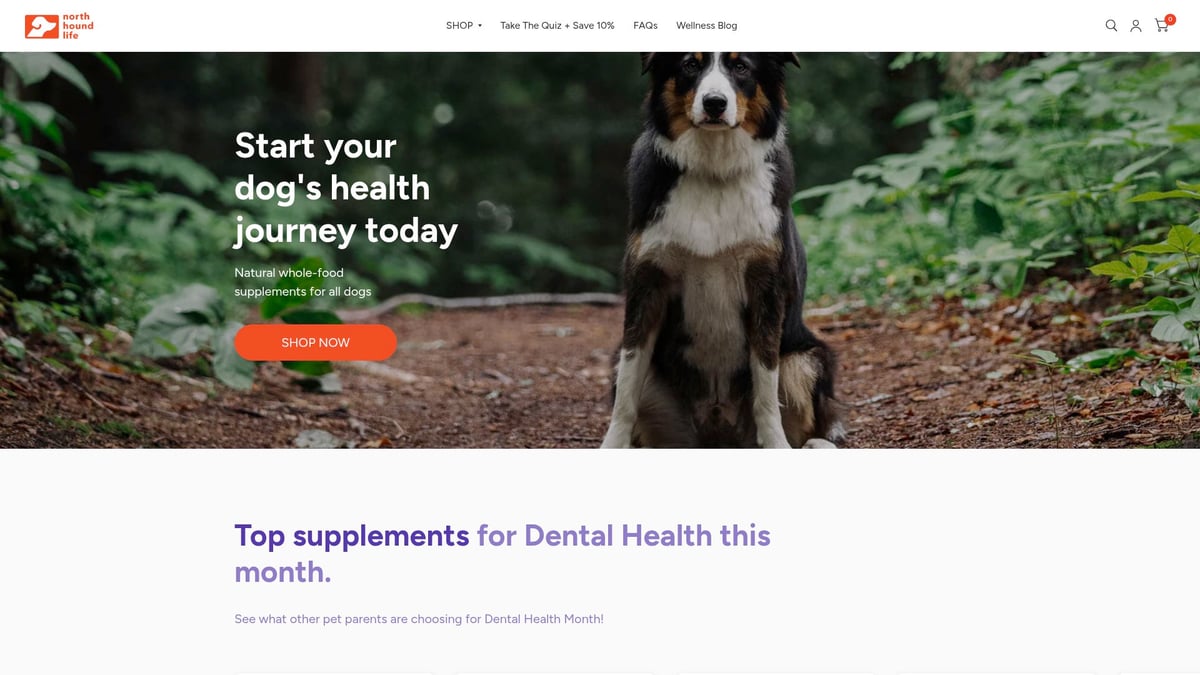
These supplements are suitable for all breeds and life stages, from playful Shih Tzus to energetic Australian shepherds. Many customers say their pugs and mixed breeds have shown shinier coats and improved mobility after starting North Hound Life’s products.
With transparent pricing in Canadian Dollars and a focus on purity, North Hound Life makes choosing a canine omega 3 supplement simple and rewarding for every pet parent.
Safe Administration and Best Practices
Ensuring your dog benefits fully from a canine omega 3 supplement means more than just choosing the right product. Safe administration, careful monitoring, and smart storage are key to unlocking the best results for your furry friend, whether you have a lively French bulldog puppy or a wise old Bernese mountain dog. Let’s explore the practical steps that help every dog thrive.
How to Introduce Omega 3 to Your Dog’s Diet
When starting a canine omega 3 supplement, gradual introduction is essential to avoid digestive upset. Begin by adding a small amount to your dog’s usual meal, whether it’s dry, wet, or raw food. Over five to seven days, slowly increase to the recommended dose.
If you have a picky eater, try mixing the supplement with a favourite treat or a spoonful of plain yoghurt. For example, a Shih Tzu might prefer their fish oil stirred into their breakfast, while a Doberman could take it straight on their kibble. Consistency helps your dog adjust, so stick to a routine. Remember, introducing the canine omega 3 supplement slowly makes the transition easier for both small and big dogs.
Monitoring for Side Effects and Allergies
While most dogs tolerate a canine omega 3 supplement very well, mild side effects such as soft stools, diarrhoea, or a fishy odour on the breath can occasionally appear. These signs usually fade as your dog’s system adapts. Watch for anything unusual, like persistent vomiting, itching, or swelling, which could indicate an allergy.
If your schnauzer or corgi shows any concerning symptoms, pause the supplement and consult your vet. Most reactions are mild and temporary, but professional advice gives peace of mind. For dogs with sensitive skin or coat issues, reviewing Skin and Coat Health Products can help you find the right fit. Staying attentive ensures your canine omega 3 supplement is a positive addition to your pet’s routine.
Optimal Storage and Handling Tips
Proper storage keeps your canine omega 3 supplement fresh and effective. Omega 3 oils are sensitive to light, heat, and air, which can cause spoilage. Always store bottles in a cool, dark place—many owners prefer the fridge. Make sure the cap is tightly sealed after every use.
Different oils have different shelf lives. Fish oil usually lasts up to three months after opening, while flaxseed oil may keep a bit longer. For example, North Hound Life’s wild fish oil stays fresher when refrigerated and used promptly. Check expiry dates and discard any supplement that smells rancid. Good storage habits protect the quality of your canine omega 3 supplement and your dog’s health.
Vet Consultation and Individualised Plans
Every dog is unique, so it’s vital to seek professional guidance before starting a canine omega 3 supplement. Vets can recommend the right dosage for your dog’s breed, weight, age, and health status. If your border collie has arthritis or your miniature schnauzer is pregnant, a tailored plan ensures safety and effectiveness.
In Canada, 77% of vets now recommend personalised supplement protocols, reflecting the growing trust in expert advice. For a deeper dive into trusted options, check out the Top Rated Dog Supplements Guide. By working with your vet, you make sure your canine omega 3 supplement delivers the best results for your pet’s individual needs.
The Future of Canine Omega 3 Supplementation (2026 and Beyond)
As we look ahead to 2026 and beyond, the landscape of canine omega 3 supplement options in Canada is rapidly evolving. Innovation, research, and a growing commitment to pet wellbeing are shaping a future where every dog, from a tiny Papillon to a majestic Newfoundland, can thrive with tailored nutritional support. Let us explore the trends and advances that will define the next era of canine omega 3 supplement use.
Innovations in Omega 3 Sources and Formulations
Canadian pet nutrition is entering a new age of innovation. Recent years have seen a surge in plant-based and sustainable marine omega 3 sources, making it easier for dog owners to find eco-friendly options. Algal oil, for example, is gaining popularity among vegan households and dogs with sensitive stomachs, thanks to its gentle profile and high DHA content.
Cutting-edge research in Canada is also producing omega 3 nano-emulsions, which offer enhanced bioavailability. This means your canine omega 3 supplement can be absorbed more efficiently, leading to better results for your dog’s health. North Hound Life’s latest product line even features blends designed for palatability, making supplement time easier for picky eaters like Shih Tzus or finicky Huskies.
Here's a quick comparison of emerging omega 3 sources:
| Source | Key Benefit | Best For |
|---|---|---|
| Algal Oil | Vegan, gentle | Sensitive dogs |
| Krill Oil | High absorption | Active breeds |
| Fish Oil | Traditional, rich | All life stages |
These innovations promise a brighter, healthier future for our pets.
Personalised Nutrition and Breed-Specific Formulas
One of the most exciting developments in the world of canine omega 3 supplement science is the move toward personalisation. Imagine a future where a DNA kit can identify the precise nutritional needs of your Boston Terrier or Bernese Mountain Dog, and a custom supplement blend is created just for them.
Breed-specific formulas are already being piloted in Canadian pet wellness labs. Athletic dogs like Border Collies may receive a higher EPA blend to support joint health, while companion breeds such as French Bulldogs could benefit from a DHA-rich formula for skin and coat care. Even age and activity level are taken into account, ensuring that a senior Pug or a working Malinois gets the right support at the right time.
Personalised nutrition is empowering owners to make informed choices, turning the canine omega 3 supplement into a targeted wellness tool rather than a one-size-fits-all solution.
Trends in Canadian Pet Wellness Market
The Canadian pet supplement market is booming, fuelled by increased education and a focus on natural health. In fact, the market is forecast to reach $250 million CAD by 2025, with omega 3 supplements leading the way in popularity. This surge reflects a broader global movement, as the Global omega-3 pet supplement market projected to reach $2.3 billion by 2034.
Subscription-based supplement services are becoming commonplace, making it easy for busy families to keep their canine omega 3 supplement regimen consistent. Regulatory changes are also raising the bar for safety and quality, with Canadian brands like North Hound Life meeting and exceeding new standards.
Pet owners are seeking products that are both effective and ethically produced, and companies are responding with transparency, sustainable sourcing, and clear labelling. These trends ensure a bright future for both dogs and their humans.
Research Updates and Ongoing Studies
Research into the benefits of canine omega 3 supplement use is more robust than ever. Canadian universities are partnering with pet brands to run long-term studies on everything from mobility in senior dogs to the prevention of chronic diseases. In 2026, a major study is underway exploring the role of omega 3s in reducing the risk of canine cancer, which could be a game-changer for preventative care.
Clinical trials are also examining how omega 3s impact behaviour, with findings suggesting a positive effect on anxiety and mild aggression. For example, a pilot study showed that omega-3 fatty acids can reduce canine behavioural disorders such as fearfulness and destructiveness.
Commitment to evidence-based recommendations means that every canine omega 3 supplement you choose will be backed by the latest science, giving you confidence in your dog’s nutrition plan.
As we’ve explored the ins and outs of omega 3 supplements and how they can transform your dog’s wellbeing, it’s natural to wonder what’s best for your own pup. Every dog is unique, and finding the right supplement can make all the difference—no matter their breed or age. If you’d like a little extra help choosing the perfect fit for your furry companion, we’ve got you covered. Together, we can make sure your dog gets the support they deserve for a healthy, happy future. Try our Supplement Finder For Your Dog and discover what’s right for your best friend.

